Understanding Heat-Treated Pallets and Their Importance in Shipping


Introduction to Heat-Treated Pallets
In the world of shipping and logistics, ensuring the safe and efficient transport of goods is paramount. One critical component in this process is the pallet. Among the various types available, heat-treated pallets stand out due to their durability and compliance with international standards.
Heat-treated pallets are not just a preference but often a necessity for businesses engaging in international trade. These pallets undergo a specific process that involves heating the wood to a core temperature to eliminate pests and pathogens.
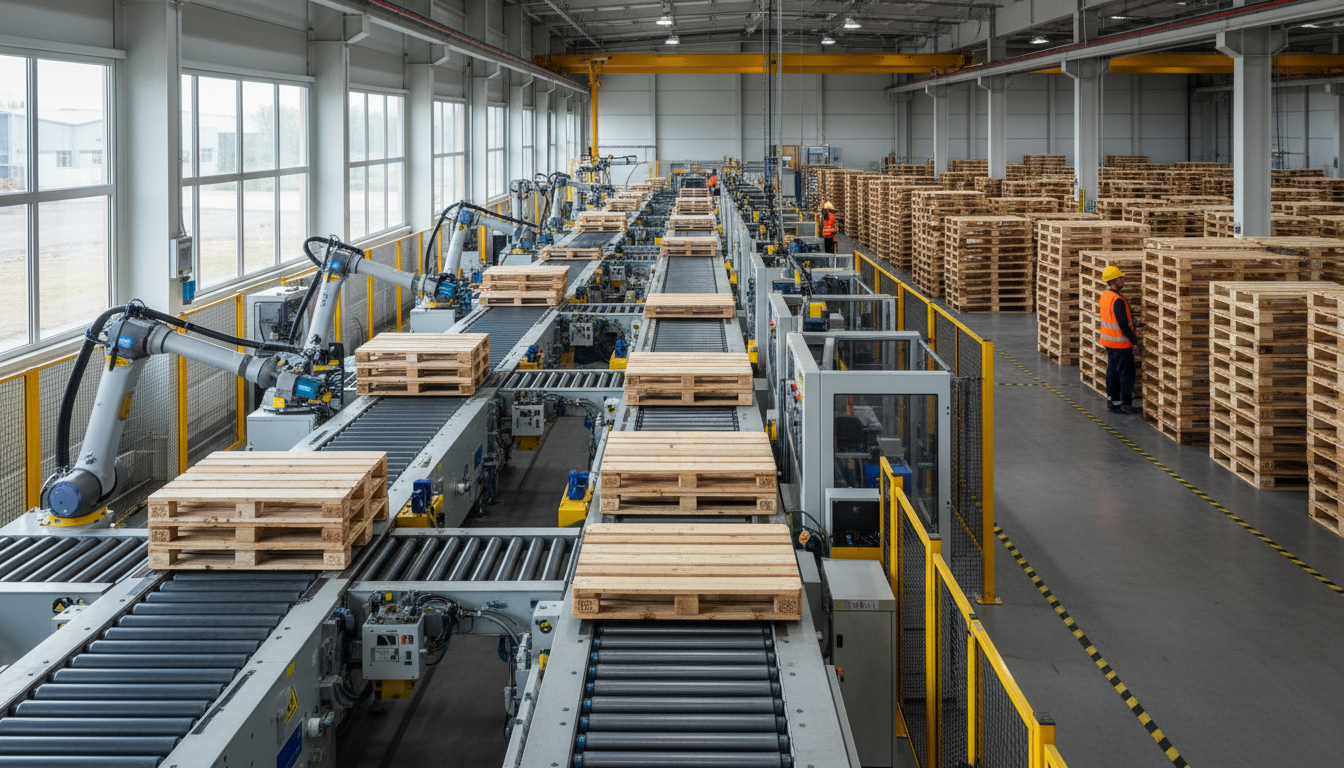
The Heat Treatment Process
The process of heat-treating involves subjecting the wooden pallets to high temperatures. The International Standards for Phytosanitary Measures (ISPM 15) mandates that wood packaging materials be heated to a minimum core temperature of 56°C (132.8°F) for at least 30 minutes.
This process eradicates insects and larvae, ensuring that no invasive species are transported across borders. By adhering to these guidelines, companies help prevent the spread of pests that could harm ecosystems.
Benefits of Heat-Treated Pallets
Heat-treated pallets offer numerous advantages, making them a preferred choice for shipping goods internationally. Here are some key benefits:
- Compliance with International Regulations: Ensures adherence to ISPM 15 regulations, facilitating smooth customs clearance.
- Enhanced Durability: The treatment process increases the wood’s resistance to wear and tear.
- Eco-Friendly: Reduces the need for chemical treatments, making it a more environmentally friendly option.
Applications in Various Industries
Heat-treated pallets are indispensable in numerous sectors. Industries such as agriculture, pharmaceuticals, and electronics rely heavily on these pallets for their shipping needs. The agricultural sector benefits from the assurance that no pests will accompany their produce, while the pharmaceutical industry relies on these pallets to maintain stringent hygiene standards.
In the electronics industry, the robustness of heat-treated pallets ensures that delicate equipment is transported safely, minimizing the risk of damage during transit.
Choosing the Right Pallet
When selecting pallets for shipping, companies must consider factors such as the nature of the goods, destination regulations, and environmental impact. Heat-treated pallets often provide the best balance between compliance, durability, and sustainability.
Conclusion
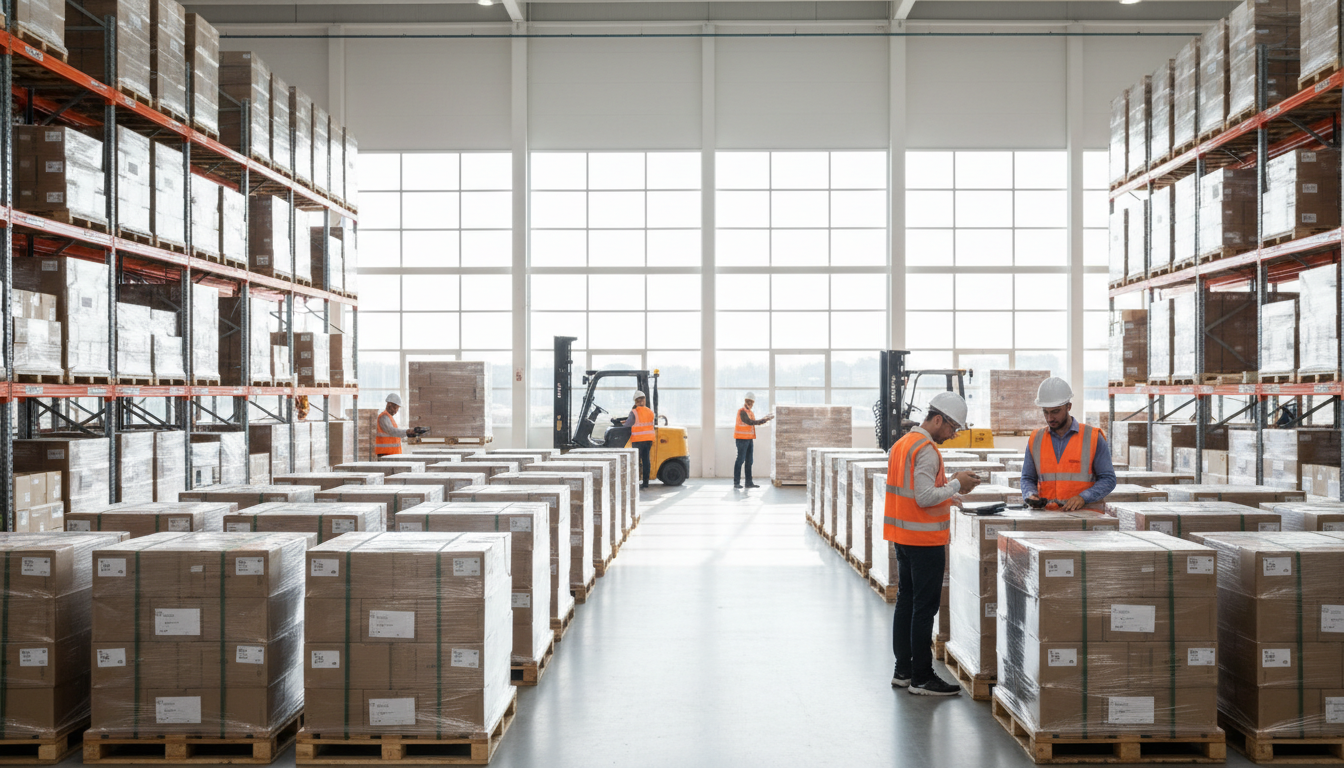
Understanding the importance of heat-treated pallets in the shipping industry is essential for businesses involved in international trade. These pallets not only ensure compliance with global regulations but also offer enhanced durability and environmental benefits.
By choosing heat-treated pallets, companies can protect their goods, support environmental sustainability, and ensure smooth operations across borders. As global trade continues to evolve, the role of these pallets in facilitating secure and efficient shipping cannot be overstated.