Top 5 Myths About Pallet Usage Debunked


Understanding the Common Misconceptions
Pallets are a cornerstone of logistics and supply chain management, yet there are many myths surrounding their use. These misconceptions often lead to inefficiencies and increased costs. In this post, we aim to debunk some of the most common myths about pallet usage to help you make more informed decisions.
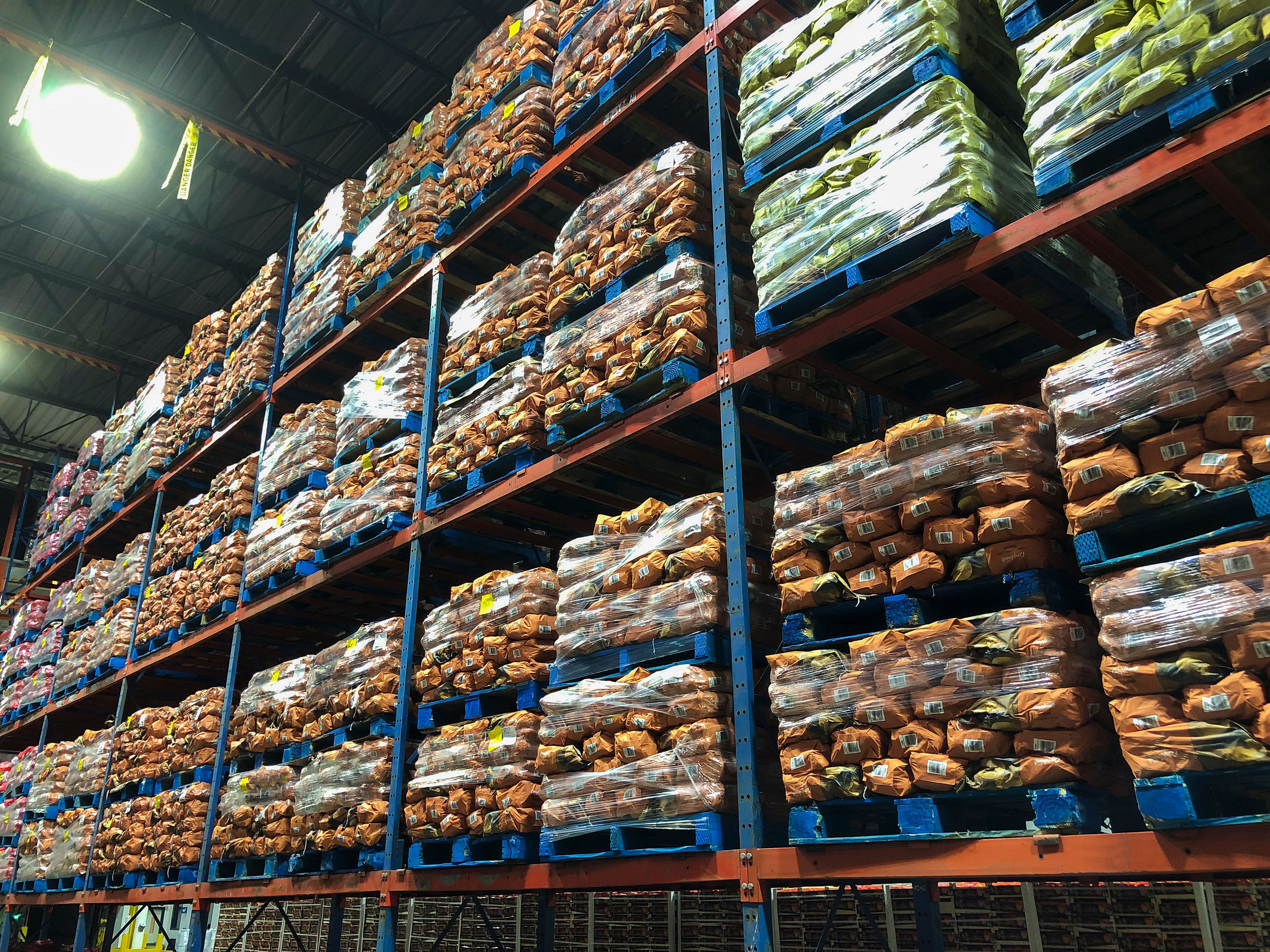
Myth 1: All Pallets Are the Same
One of the most prevalent myths is that all pallets are identical. In reality, pallets come in various sizes, materials, and designs, each suited for different applications. While wooden pallets are the most common, plastic, metal, and even paper pallets are available, each offering unique benefits such as durability, hygiene, or cost-effectiveness.
Choosing the right type of pallet depends on your specific needs, such as the weight of goods, environmental conditions, and industry standards. It's important to evaluate these factors before making a selection to ensure optimal performance and cost-efficiency.
Myth 2: Pallets Are Only for Large Operations
Another common misconception is that pallets are only useful for large-scale operations. However, businesses of all sizes can benefit from pallet usage. Small businesses can improve storage efficiency and streamline their shipping processes by incorporating pallets into their operations.

Pallets allow for easier handling and transportation of goods, reducing labor costs and minimizing the risk of damage during transit. By utilizing pallets, small businesses can compete more effectively with larger companies by optimizing their logistics processes.
Myth 3: Pallets Are Environmentally Unfriendly
Many people believe that pallets contribute significantly to environmental waste. However, this is not entirely accurate. Wooden pallets, for example, are often made from sustainably sourced lumber and can be reused multiple times before being recycled into new products or energy sources.
Moreover, companies are increasingly adopting pallet pooling systems where pallets are shared among different users, further reducing environmental impact. These systems not only promote sustainability but also enhance cost-efficiency by reducing the need for constant pallet replacement.

Myth 4: Pallets Are Cost-Prohibitive
Some businesses shy away from using pallets due to perceived high costs. The reality is that while there is an initial investment, the long-term savings can be substantial. Pallets can reduce labor costs by simplifying loading and unloading processes and minimizing product damage during transit.
Furthermore, pallet pooling and rental options have made pallet usage more accessible and cost-effective for businesses of all sizes. By leasing pallets instead of purchasing them outright, companies can manage expenses more efficiently.
Myth 5: Pallets Require Extensive Maintenance
Many believe that maintaining pallets is a cumbersome process. While regular inspection and maintenance are necessary to ensure safety and longevity, it is not as daunting as it seems. Simple practices such as checking for damage and ensuring proper storage conditions can significantly extend a pallet's lifespan.
By investing time in routine checks and minor repairs, businesses can maximize their investment and enhance operational efficiency. This proactive approach not only ensures safety but also reduces the likelihood of unexpected costs associated with pallet replacement.

Conclusion: The Truth About Pallet Usage
By debunking these common myths about pallet usage, we hope to provide a clearer understanding of their true value in logistics and supply chain management. Pallets are versatile tools that offer numerous benefits when used correctly. Whether you're a large corporation or a small business, understanding the facts about pallets can lead to improved efficiency, reduced costs, and a more sustainable operation.