The Ultimate Guide to Wooden Pallets: Selection, Utilization, and Maintenance


Understanding Wooden Pallets
Wooden pallets are a staple in logistics and warehousing. These versatile structures not only facilitate the movement of goods but also play a crucial role in storage and stacking. Understanding the different types of wooden pallets and their specific uses is essential for maximizing efficiency in any supply chain operation.
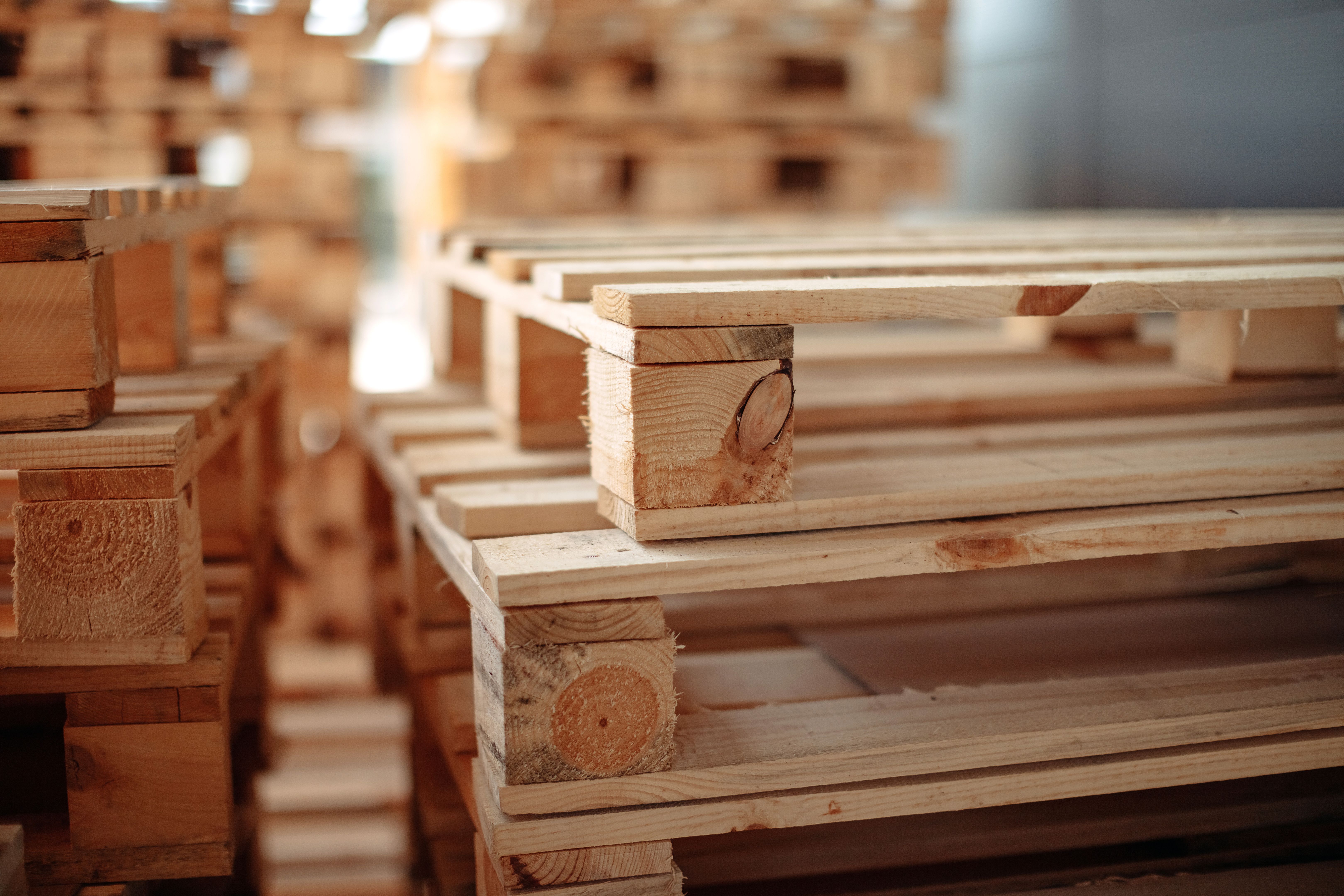
Typically made from either hardwood or softwood, wooden pallets are available in various sizes and configurations. The most common type is the stringer pallet, which uses a frame of three or more parallel pieces of timber. Another popular type is the block pallet, which is known for its four-way entry, allowing forklifts to access it from all sides.
Choosing the Right Wooden Pallet
Selecting the right wooden pallet depends on several factors such as the type of goods being transported, the weight and size of these goods, and the handling equipment available. Here are some key considerations:
- Weight Capacity: Ensure the pallet can support the weight of your goods without compromising its structural integrity.
- Size: Choose a size that fits your storage and transportation needs.
- Durability: Consider the material and construction quality for long-term use.
Consulting with a pallet supplier or logistics expert can further aid in making an informed decision tailored to your specific needs.
Utilizing Wooden Pallets Effectively
The effective use of wooden pallets can significantly enhance your operational efficiency. Here are some strategies to consider:

- Optimized Stacking: Stack pallets evenly to prevent tipping and ensure stability.
- Proper Handling: Use appropriate equipment like forklifts or pallet jacks to minimize damage.
- Space Management: Implement strategic layout planning in your warehouse to maximize space utilization.
Additionally, train your staff on best practices for handling and stacking pallets to prevent accidents and damage.
Maintaining Wooden Pallets for Longevity
Regular maintenance is crucial to extend the life of your wooden pallets. Here are some maintenance tips:

- Inspect Regularly: Check for signs of damage such as cracks or splinters.
- Repair Promptly: Address any issues immediately to prevent further deterioration.
- Proper Storage: Store pallets in a dry, sheltered area to avoid water damage.
By incorporating these maintenance practices, you can reduce replacement costs and ensure your pallets remain in good condition for longer periods.
Sustainability and Environmental Considerations
Wooden pallets are not only functional but also environmentally friendly. They are biodegradable and can be recycled or repurposed into new products. Emphasizing sustainability in your operations can be achieved through practices such as:
- Pallet Recycling: Work with recycling companies to repurpose old or damaged pallets.
- Sustainable Sourcing: Choose pallets made from responsibly sourced wood.
By focusing on sustainability, businesses can reduce their environmental impact while maintaining efficient operations.
The Future of Wooden Pallets
The landscape of logistics is continually evolving, and wooden pallets remain a vital component. With advancements in technology, there is potential for even greater efficiency and functionality in pallet design. Innovations such as RFID tracking and more durable materials are paving the way for smarter logistics solutions.

Staying informed about these developments will help businesses adapt to changing demands and leverage the full potential of wooden pallets in their operations.