The Ultimate Guide to Wooden Pallets: Everything You Need to Know


Introduction to Wooden Pallets
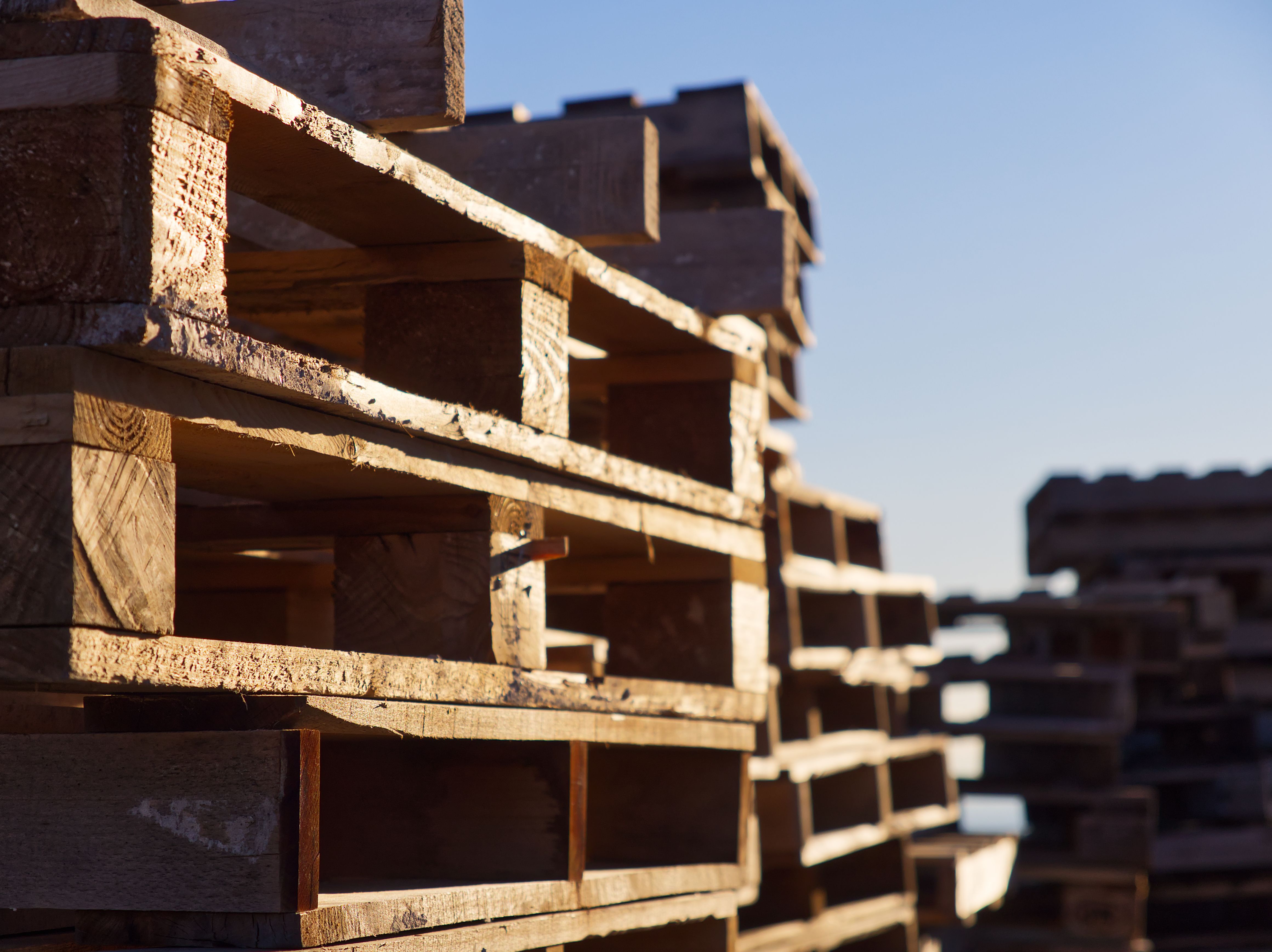
Wooden pallets are crucial components in the world of logistics and warehousing. They provide a sturdy base for storing, stacking, and transporting goods across the globe. Whether you're running a small business or managing a large warehouse, understanding the ins and outs of wooden pallets can significantly enhance your operational efficiency.
The Anatomy of a Wooden Pallet
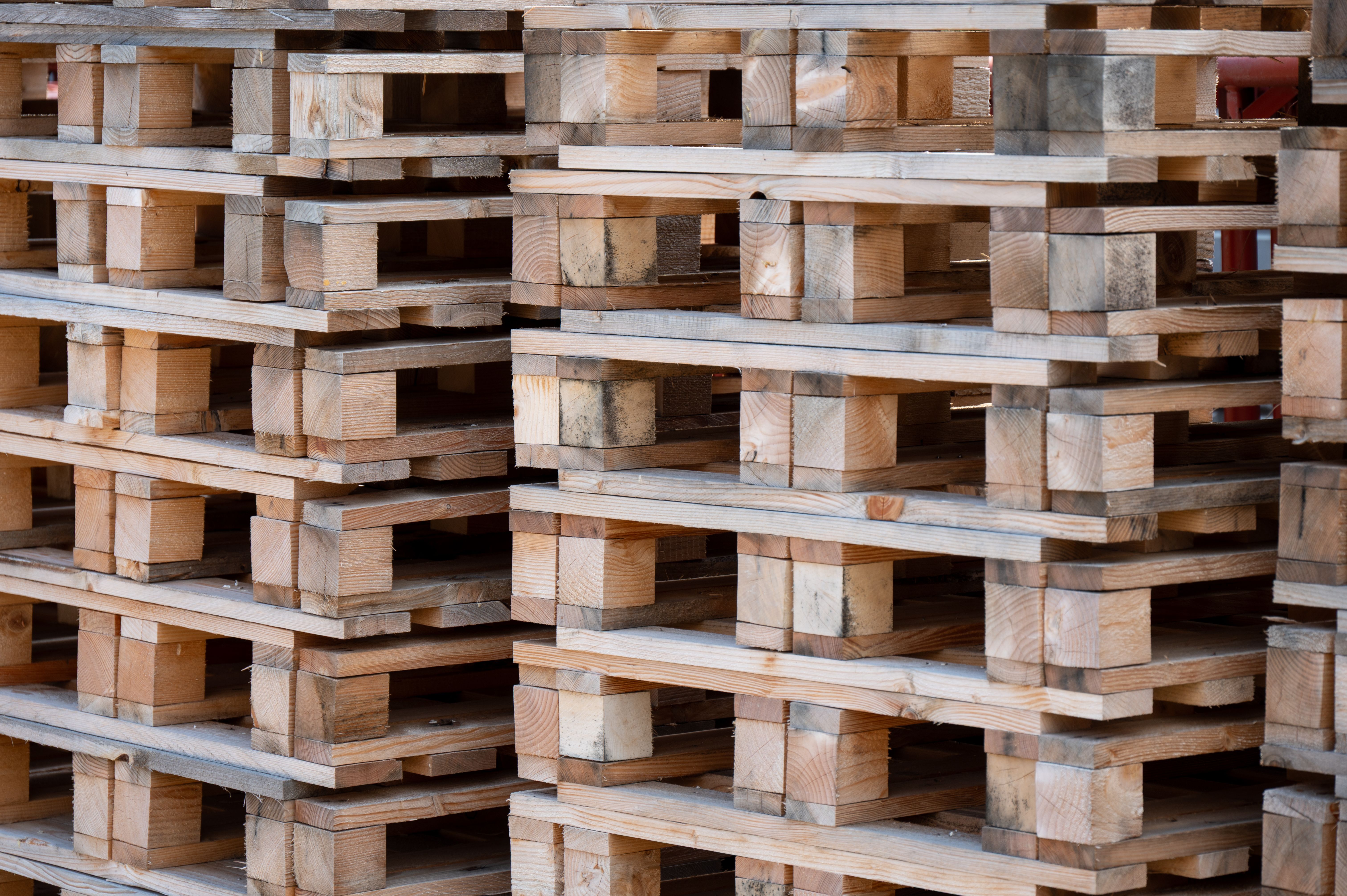
At their core, wooden pallets are simple structures made from multiple pieces of wood fastened together. Typically, they consist of three main components: the deck boards, the stringers or blocks, and the base. The design is optimized to handle weight distribution and facilitate easy movement using forklifts or pallet jacks.
Deck Boards
The deck boards form the surface of the pallet where goods are placed. These boards need to be sturdy enough to support significant weight without bending or breaking.
Stringers and Blocks
Stringers run between the top and bottom deck boards, providing structural support. Alternatively, block pallets use individual blocks placed at the corners and sometimes in the middle for added stability.
Types of Wooden Pallets
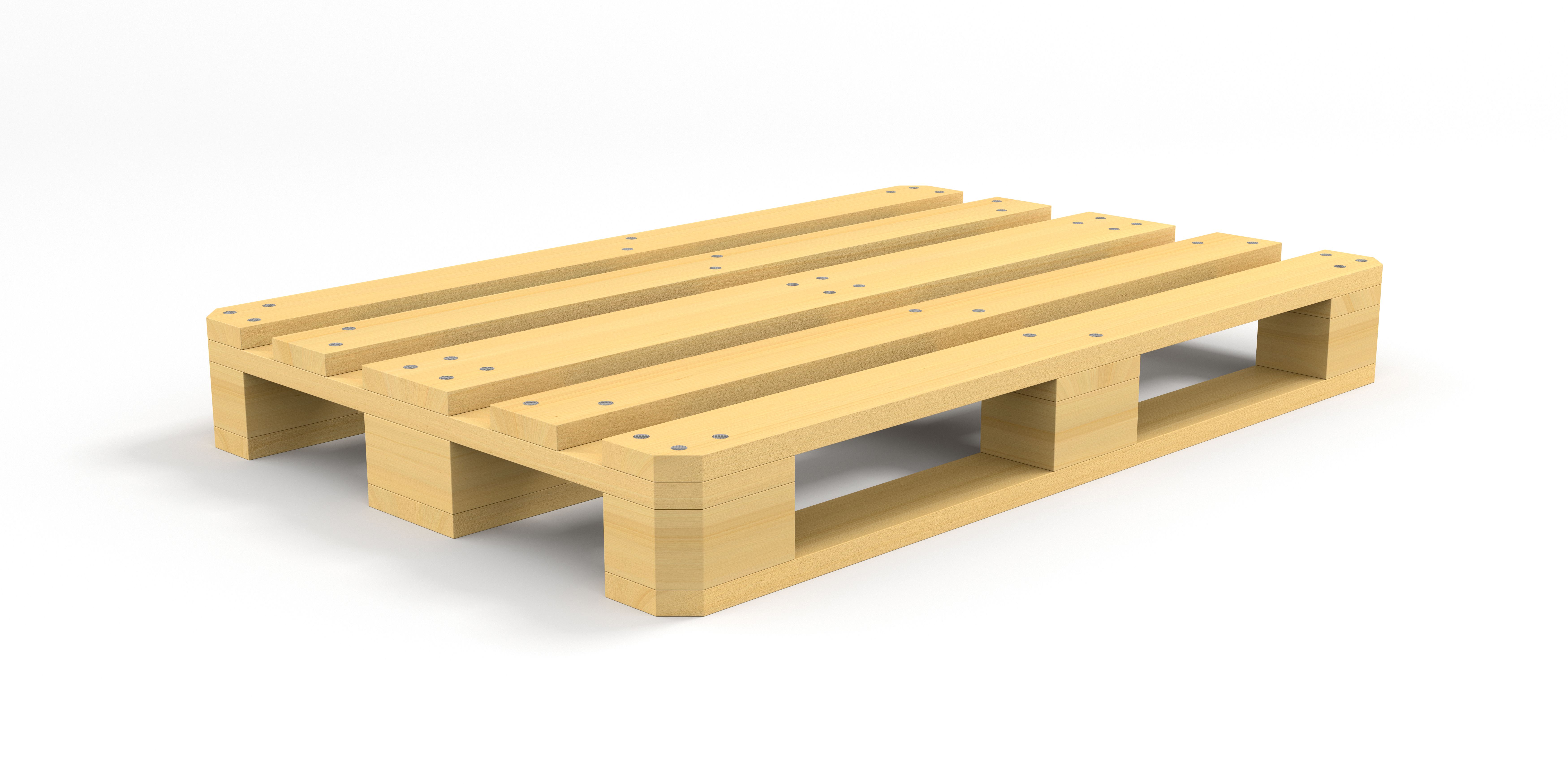
Wooden pallets come in various styles and sizes to suit different needs. The most common types include:
- Two-Way Entry Pallets: These allow forklift access from two sides, making them ideal for certain types of storage systems.
- Four-Way Entry Pallets: These offer access from all four sides, providing greater flexibility in loading and unloading.
- Block Pallets: Known for their strength and durability, these are often used in heavy-duty applications.
Benefits of Using Wooden Pallets
Wooden pallets offer numerous advantages that make them a popular choice in various industries. Firstly, they are cost-effective, making them an economical option for businesses of all sizes. Additionally, they are recyclable and can be repaired easily, contributing to sustainable practices.

Environmental Impact
Wooden pallets are often sourced from sustainable forests and can be repurposed after their initial use. This minimizes waste and lowers the carbon footprint associated with manufacturing and disposal processes.
Choosing the Right Wooden Pallet
Selecting the appropriate pallet is crucial for your operations. Consider factors like load capacity, pallet size, and the type of goods being transported. Consulting with a pallet supplier can help tailor solutions to your specific needs.
Pallet Maintenance
To extend the lifespan of wooden pallets, regular maintenance is essential. This includes inspecting for cracks or loose nails and replacing damaged boards promptly. Proper storage conditions, such as keeping them dry and off the ground, also play a vital role in maintaining their integrity.