The Ultimate Guide to Finding the Best Pallets Near You


Understanding Pallet Types and Uses
When it comes to logistics and storage, pallets are indispensable. They come in various types to suit different needs, ranging from wooden and plastic to metal pallets. Each type has its own advantages: wooden pallets are sturdy and affordable, plastic pallets are durable and moisture-resistant, and metal pallets offer high strength for heavy loads.
Choosing the right pallet means understanding your specific requirements. Consider factors such as the weight of your products, the environment they’ll be used in, and your budget. By matching the pallet type with your specific needs, you can ensure efficiency and cost-effectiveness in your operations.
Where to Find Pallets Locally
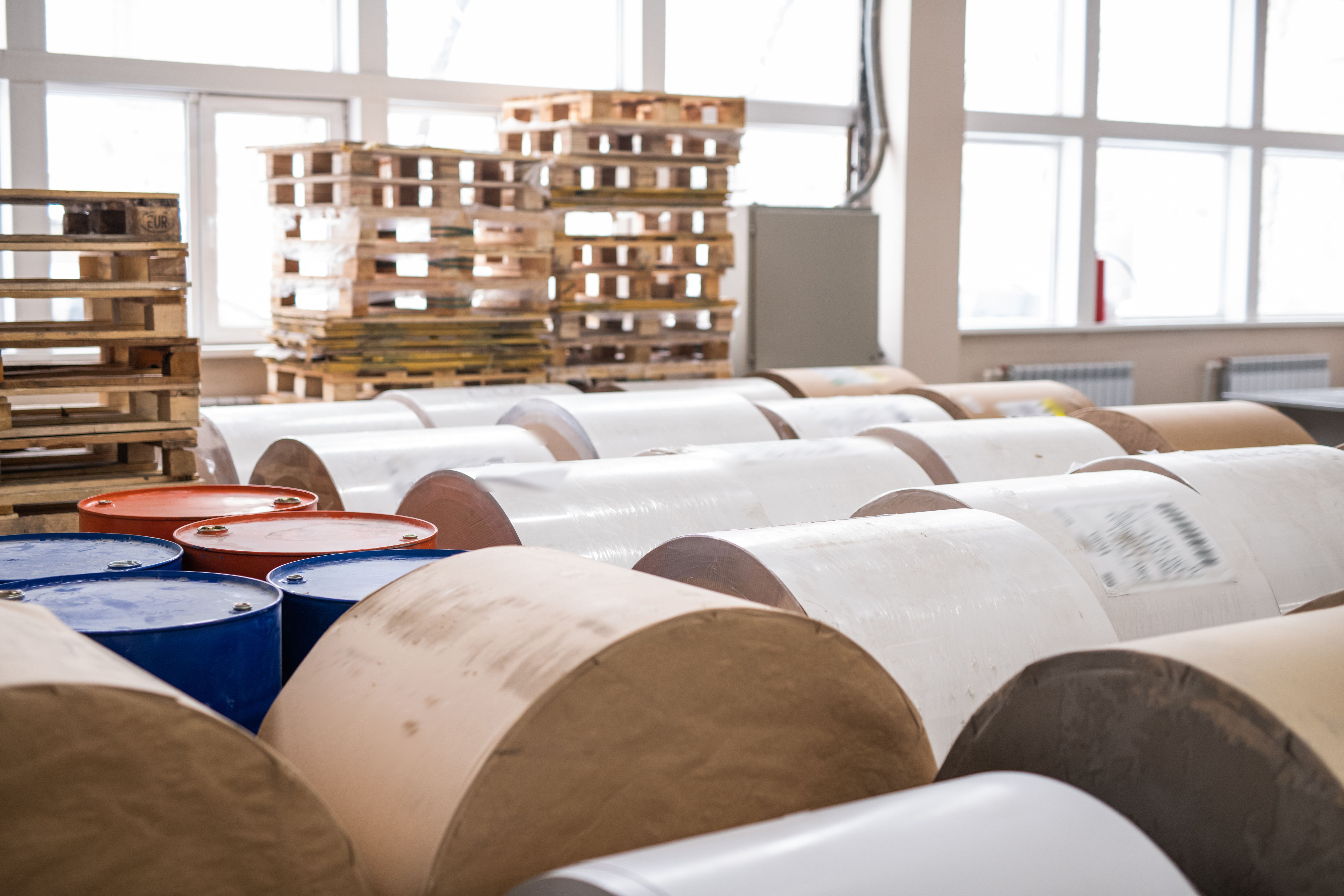
Finding local suppliers can save you on shipping costs and time. Start by checking with local manufacturers, warehouses, or distribution centers in your area. These businesses often have spare pallets they’re willing to sell or even give away for free. Additionally, building relationships with local suppliers can lead to easier future transactions.
Online directories and platforms can also be a great resource for locating pallets nearby. Websites dedicated to buying and selling industrial equipment often have listings for pallets. Keep an eye on classified ads and community boards, as these can sometimes feature offers from nearby businesses looking to offload excess inventory.

Evaluating Pallet Quality
Once you've found potential sources, it's crucial to evaluate the quality of the pallets. Inspect each pallet for any signs of damage or wear, such as cracks or splinters in wooden pallets, or warping and bending in plastic ones. Ensuring that the pallets are in good condition will prevent accidents and ensure the safety of your goods.
Don’t hesitate to ask the supplier about the history of the pallets. Knowing whether they have been used previously for transporting hazardous materials can be important, especially if the pallets will be used in industries like food and pharmaceuticals where contamination risks must be minimized.
Cost Considerations
The cost of pallets can vary greatly depending on material, size, and condition. While buying new pallets ensures quality, it may not always be the most cost-effective option. Consider purchasing refurbished or gently used pallets as a budget-friendly alternative. These options can provide substantial savings while still meeting your quality requirements.
Additionally, some suppliers offer bulk purchase discounts, which can significantly reduce the per-unit cost. Be sure to compare prices from multiple sources to ensure you're getting the best deal possible. Negotiating with suppliers can also lead to better pricing, especially if you plan to make regular or large orders.
Sustainability and Recycling
Pallet recycling is an important consideration for businesses looking to reduce their environmental impact. Many companies now offer recycling services where they collect old or damaged pallets and refurbish them for reuse. This not only helps in reducing waste but also contributes to sustainability goals.
Some suppliers specialize in eco-friendly pallets made from recycled materials or sustainable sources. Investing in these options can be beneficial for companies aiming to enhance their green credentials while supporting environmental conservation efforts.

Conclusion
Finding the best pallets near you involves understanding your needs, exploring local and online resources, assessing quality, considering costs, and thinking about sustainability. By following these guidelines, you can make informed decisions that benefit both your business operations and the environment.
Whether you are a small business owner or a logistics manager at a large corporation, taking the time to find quality pallets will pay off in efficiency and reliability. Remember that the right pallet choice is an investment in your supply chain's success.