The Ultimate Guide to Choosing Wooden Pallets for Your Business


When it comes to logistics and storage, wooden pallets are a staple in many industries. Choosing the right wooden pallets for your business is crucial for efficient operations and maintaining product quality. This guide will walk you through the essential factors to consider when selecting wooden pallets.
Understanding the Basics of Wooden Pallets
Wooden pallets are flat structures used to support goods in a stable fashion while being lifted by forklifts or other jacking devices. They are widely used for storage and transportation due to their durability and cost-effectiveness.
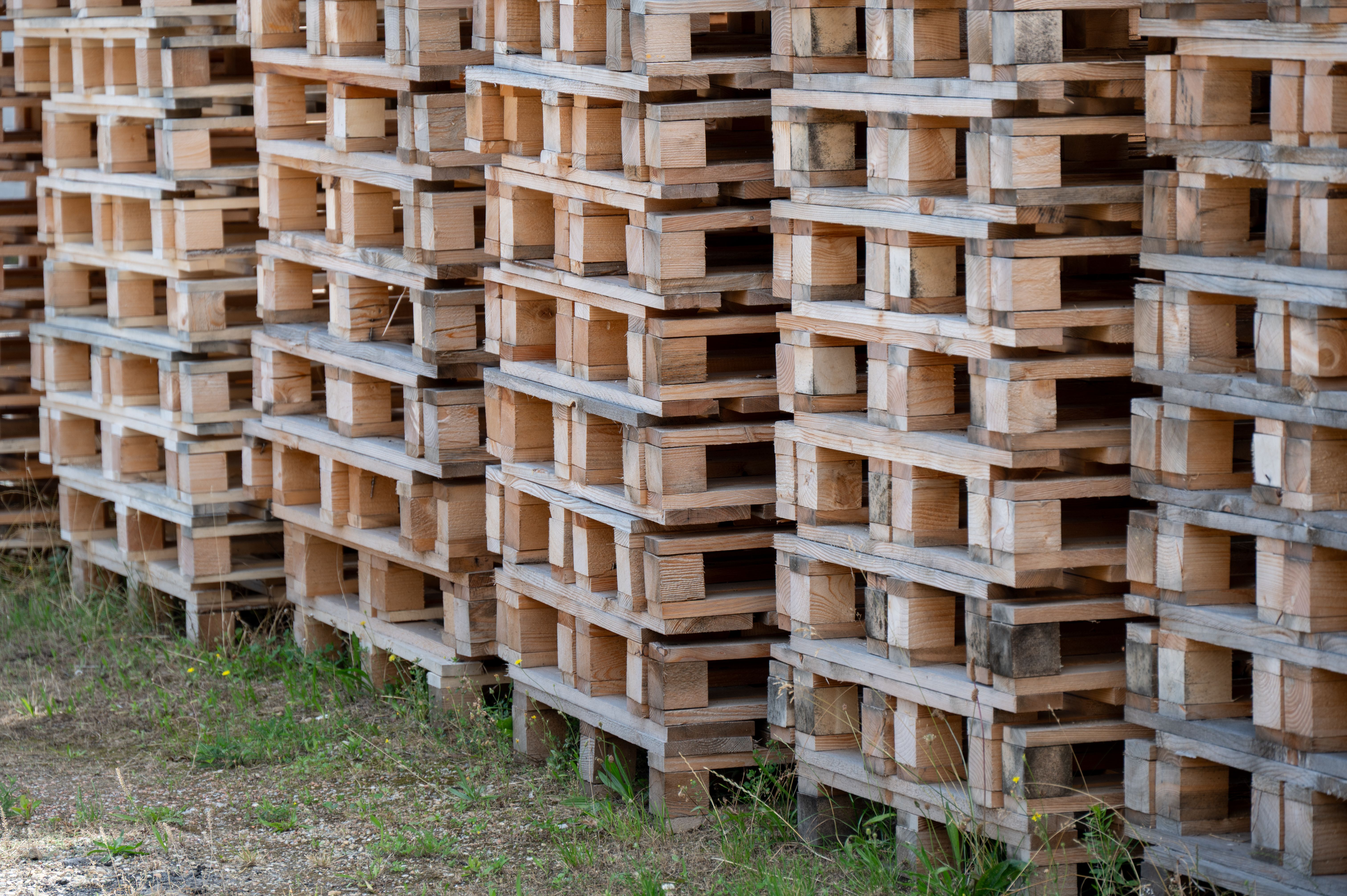
Typically, wooden pallets are made from either hardwood or softwood. Hardwood pallets are stronger and more durable, making them suitable for heavy-duty applications. Softwood pallets, on the other hand, are lighter and generally less expensive.
Choosing the Right Wood Material
The type of wood used in making pallets significantly influences their performance. Here are some factors to consider:
- Durability: Opt for hardwood if you need long-lasting pallets that can withstand substantial weight.
- Cost: Softwood pallets are more affordable and may be ideal for businesses with tight budgets.
- Weight: Consider the weight of the pallet itself, especially if shipping costs are influenced by weight.
Understanding the different materials will help you make a choice that aligns with your business needs.
Size and Design Considerations
The size and design of the pallet can impact its functionality. Standard sizes like 48x40 inches are common, but custom sizes might be necessary depending on your product dimensions and storage facilities.
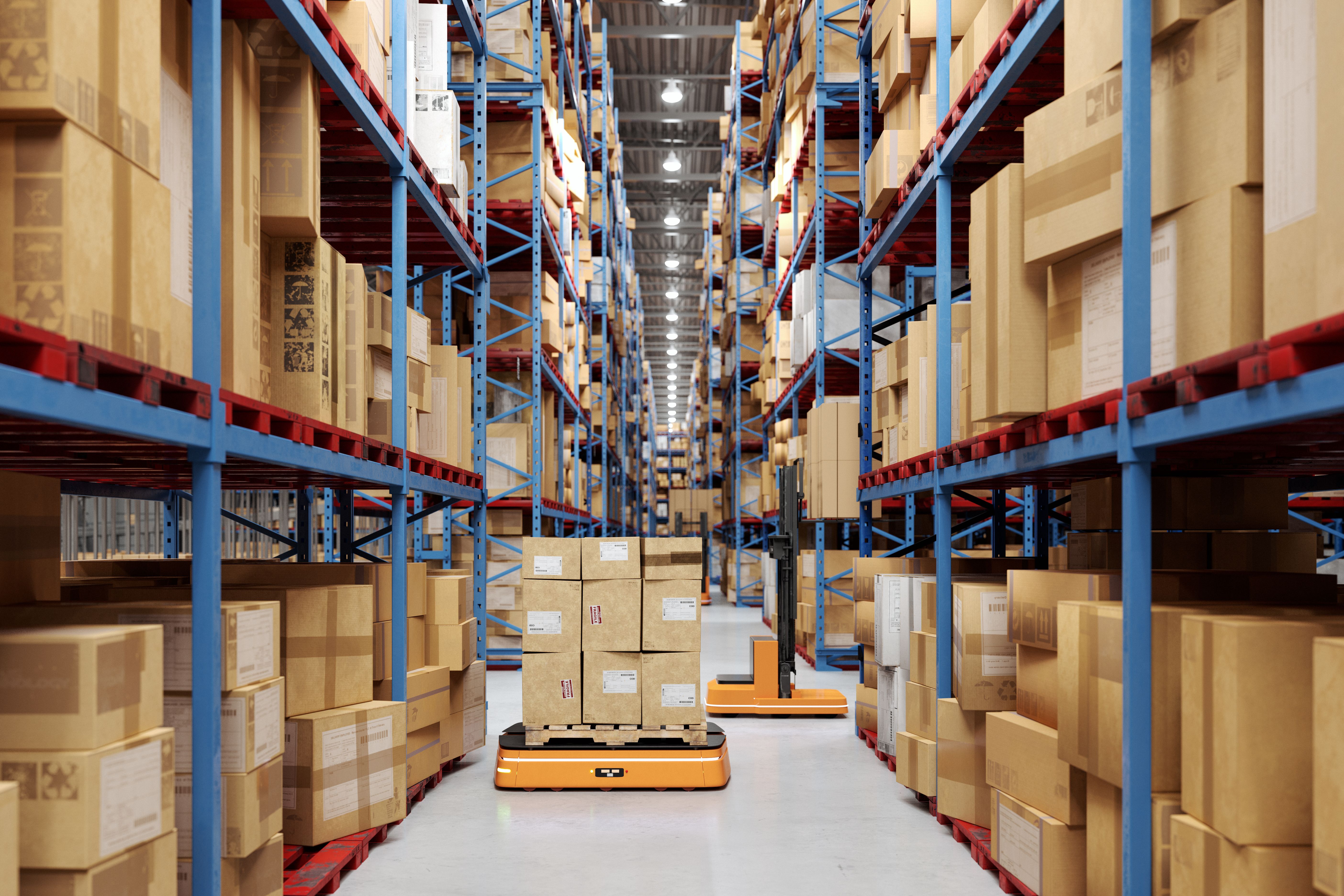
Pallet design elements such as the number of boards and spacing can affect load stability and ease of handling. Considerations include:
- Board Configuration: Decide between two-way or four-way entry pallets depending on the equipment used for handling.
- Decking Style: Choose between single or double-faced pallets based on whether both sides will be used for lifting.
Environmental Impact and Sustainability
Increasingly, businesses are considering the environmental impact of their operations. Wooden pallets are a more sustainable option compared to plastic or metal alternatives, as they are biodegradable and often made from renewable resources.
Look for suppliers that source wood responsibly or offer recycled pallet options. This not only supports sustainability efforts but can also positively influence your brand image.

Compliance and Safety Standards
Pallets used in international shipping must comply with regulations like the International Standards for Phytosanitary Measures (ISPM-15). This standard requires wooden pallets to be heat-treated or fumigated to prevent pest infestation.
Ensuring compliance with these standards is crucial for avoiding shipment delays and additional costs associated with non-compliance. Always verify that your supplier adheres to these safety standards.
Cost-Effectiveness and Supplier Relationships
Cost plays a significant role in selecting the right pallets. While it might be tempting to choose the cheapest option, consider long-term costs associated with durability and potential damage to goods. Building a strong relationship with a reliable supplier can ensure consistent quality and better pricing over time.
In conclusion, choosing the right wooden pallets involves careful consideration of material, design, environmental impact, compliance, and cost. By evaluating these factors, you can make informed decisions that enhance your business operations and sustainability efforts.