The Ultimate Guide to Choosing the Right Wooden Pallets for Your Business Needs


Understanding Wooden Pallets
Wooden pallets are a crucial component in many industries, offering a versatile solution for transporting and storing goods. With various types available, it's essential to understand their different characteristics to choose the one that best fits your business needs. Whether you're in retail, manufacturing, or logistics, the right pallet can improve efficiency and reduce costs.
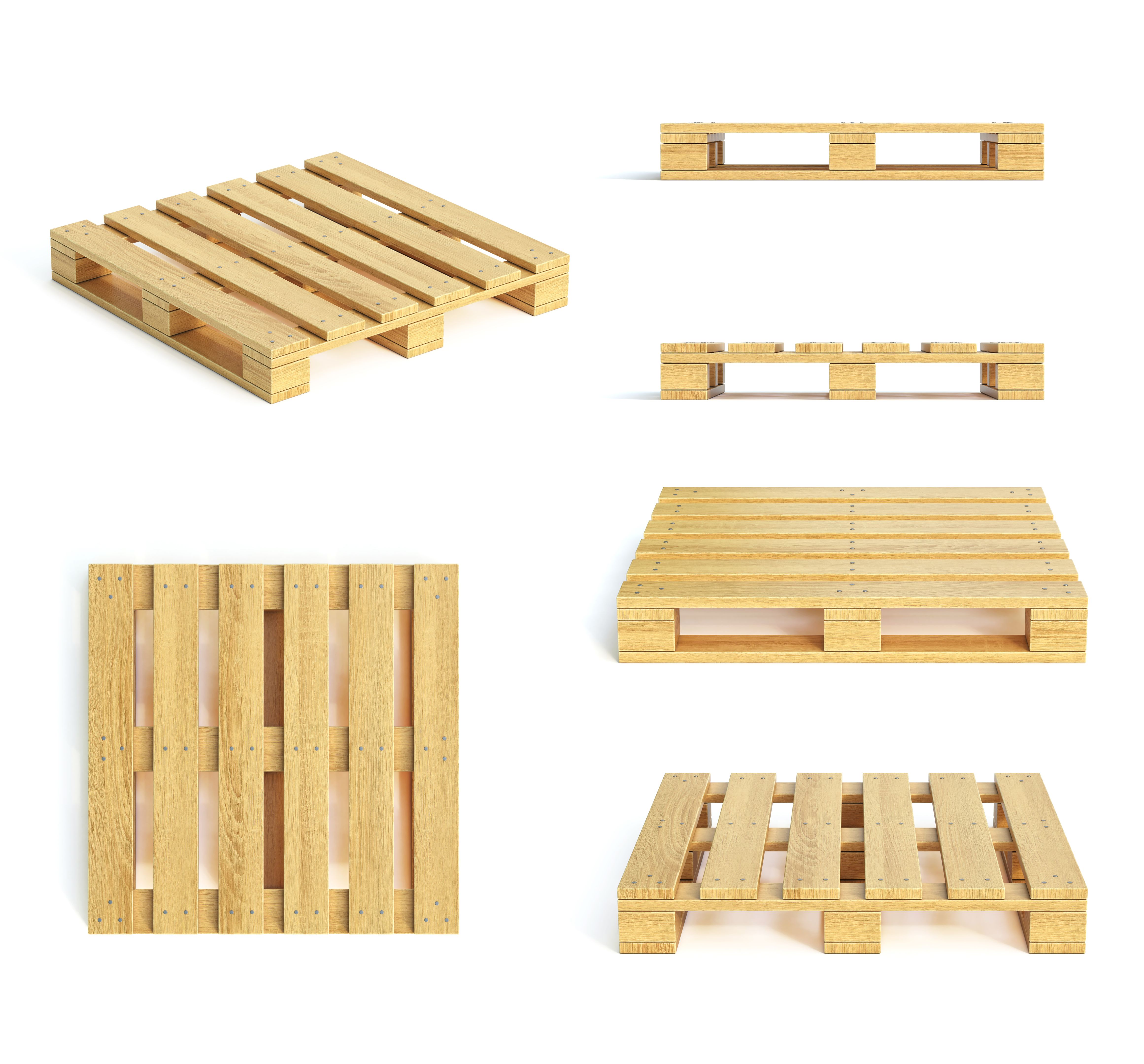
Types of Wooden Pallets
There are several types of wooden pallets, each designed for specific uses. The most common types include:
- Stringer pallets: These pallets use a frame of three parallel pieces of timber (stringers) to support the load. They are versatile and widely used in various industries.
- Block pallets: They have a sturdier design, using both perpendicular and parallel stringers, providing better support for heavier loads.
- Double-face pallets: These have decks on both sides and can be used for additional support or handling stability.
Considerations for Choosing Wooden Pallets
When selecting the right wooden pallet, several factors should be considered to ensure it meets your business needs effectively. Here are some key considerations:
Load Capacity and Size
The size and weight of the goods you plan to transport or store will significantly impact your choice. Ensure the pallet you select can handle the load capacity required by your operations. Standard pallet sizes are available, but custom sizes can also be manufactured if needed.
Durability and Quality
The quality of the wood used in pallet construction is critical. Choose pallets made from high-quality timber to ensure durability, especially if they will undergo frequent handling or heavy loads. Inspect the build quality to avoid issues like breakage, which can lead to product damage.

Cost and Sustainability
While cost is always a consideration, investing in quality pallets can save money in the long run by reducing replacement frequency and minimizing damage risks. Additionally, consider sustainability factors. Opt for pallets made from recycled materials or sourced from responsibly managed forests to enhance your business's environmental responsibility.
Regulatory Compliance
If you're involved in international shipping, compliance with regulatory standards such as ISPM-15 is crucial. These guidelines mandate that wooden pallets be treated to prevent pest infestations. Ensure your pallets meet the necessary requirements to avoid shipment delays or refusals.

Finding the Right Supplier
Selecting a reputable supplier is as important as choosing the right type of pallet. Look for suppliers with positive reviews and a track record of delivering quality products. They should provide reliable customer service and offer options for customization if your business requires specific dimensions or features.
By considering these factors, you can make an informed decision that enhances your operations' efficiency and effectiveness. Wooden pallets may seem like a small component of your supply chain, but their impact on logistics and storage is significant. Choose wisely to support your business's growth and sustainability goals.