The Ultimate Guide to Choosing the Right Wooden Pallets for Your Business


Understanding Wooden Pallets
Wooden pallets are an essential component in the logistics and supply chain industry. They provide a stable platform for storing and transporting goods, ensuring they remain secure during transit. Choosing the right wooden pallets for your business can significantly impact efficiency, cost, and sustainability. In this guide, we'll explore the key factors to consider when selecting wooden pallets.
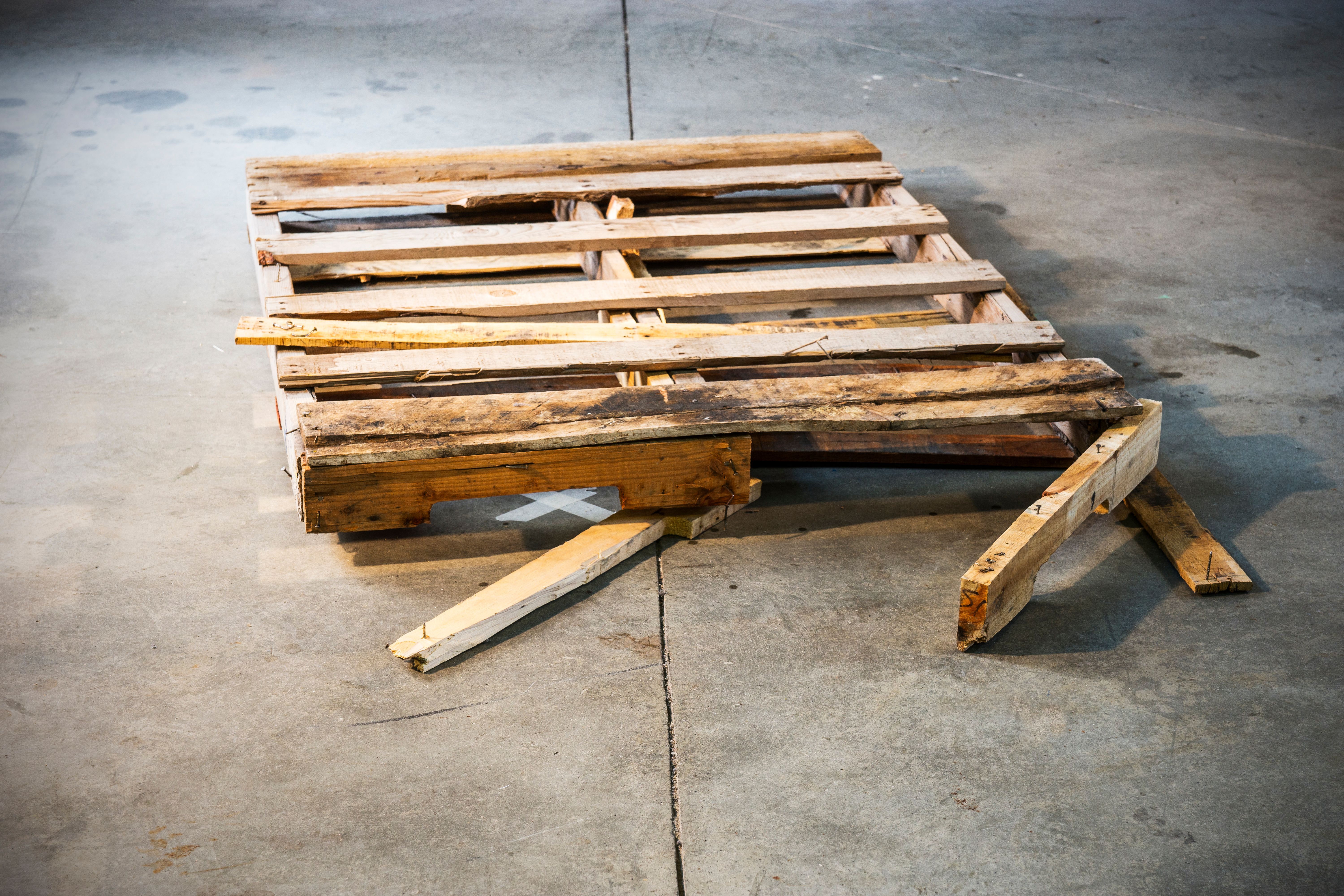
Types of Wooden Pallets
There are several types of wooden pallets to choose from, each with its own advantages and disadvantages. The most common types include:
- Stringer Pallets: These pallets use a frame of three or more parallel pieces of timber (called stringers). They are easy to manufacture and repair.
- Block Pallets: Constructed with both parallel and perpendicular stringers, block pallets offer a sturdier design and can be lifted from all four sides.
- Double-Face Pallets: These pallets have top and bottom decks, providing additional stability for heavy loads.
Material and Quality Considerations
The quality of the wood used in pallet construction can greatly affect its performance. Hardwood pallets are typically more durable but may come at a higher cost. Softwood pallets are lighter and often more economical. It's crucial to match the wood type with your specific needs, considering factors like load weight, handling requirements, and environmental conditions.

Size and Dimension Standards
Wooden pallets come in various sizes, but standard dimensions can help facilitate efficient storage and transport. The most common size is the 48x40 inch pallet, widely used in North America. However, depending on your business's location and shipping requirements, you may need to consider other sizes that align with international standards or specific industry needs.
Environmental Impact
Sustainability is becoming increasingly important for businesses worldwide. Choosing eco-friendly pallets can help reduce your carbon footprint. Consider whether the pallets are made from sustainably sourced wood or if they can be recycled or refurbished after use. Many businesses are now opting for pallets certified by organizations such as the Forest Stewardship Council (FSC).
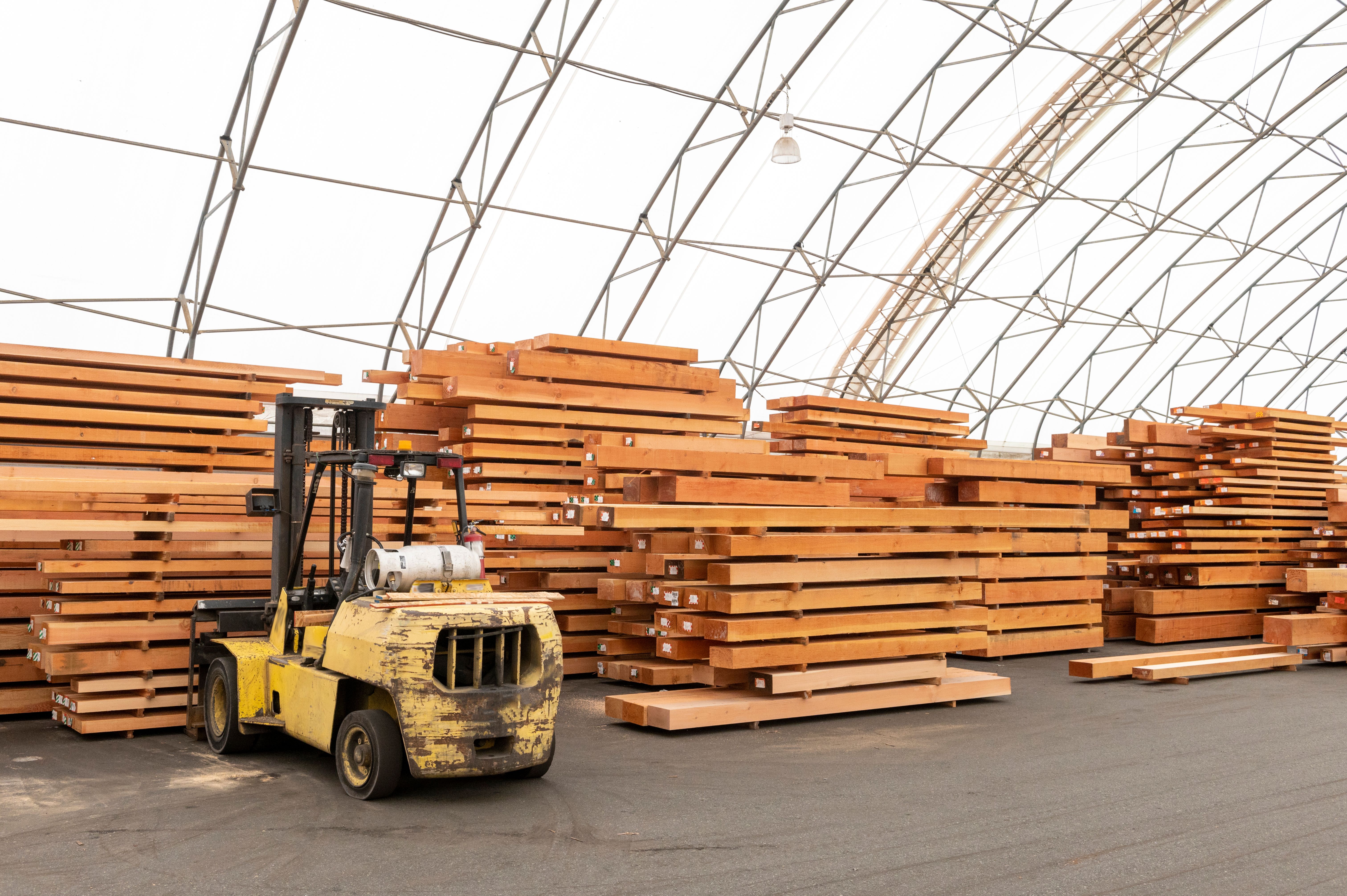
Cost Implications
The price of wooden pallets can vary based on material, size, and quality. While it might be tempting to opt for cheaper options, investing in high-quality, durable pallets can save money in the long run by reducing damage and replacement costs. Evaluate your budget carefully and consider the potential return on investment when selecting pallets.
Working with Suppliers
Choosing a reliable supplier is critical. Look for providers with a proven track record of delivering quality products on time. It's also beneficial to work with suppliers who offer customization options to meet specific business needs. Establishing a strong relationship with a reputable supplier can streamline your operations and ensure consistent supply chain efficiency.
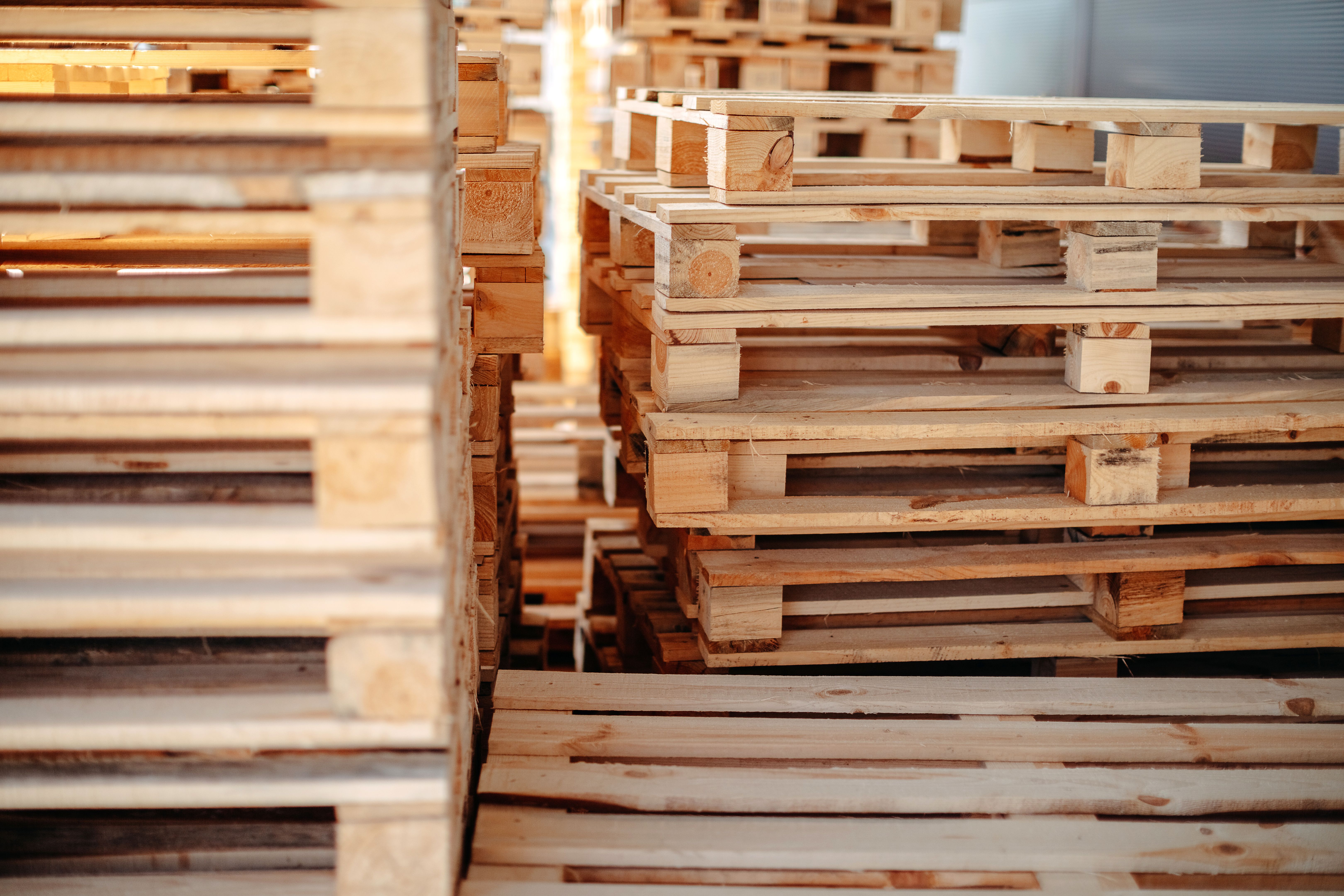
Conclusion
Selecting the right wooden pallets is a crucial decision that affects your entire logistics operation. By understanding the different types of pallets, material considerations, size standards, environmental impact, and cost factors, you can make an informed choice that aligns with your business goals. Partnering with a reliable supplier will further enhance your ability to maintain a smooth and efficient supply chain.