The Ultimate Guide to Choosing the Right Pallets for Your Business Needs


Understanding Your Business Requirements
Choosing the right pallets for your business starts with understanding your specific requirements. Consider the nature of the products you are shipping, their weight, and dimensions. Different industries have varying needs, so it's crucial to assess what will work best for your operations. Identifying these factors early will help you make an informed choice.
Types of Pallets
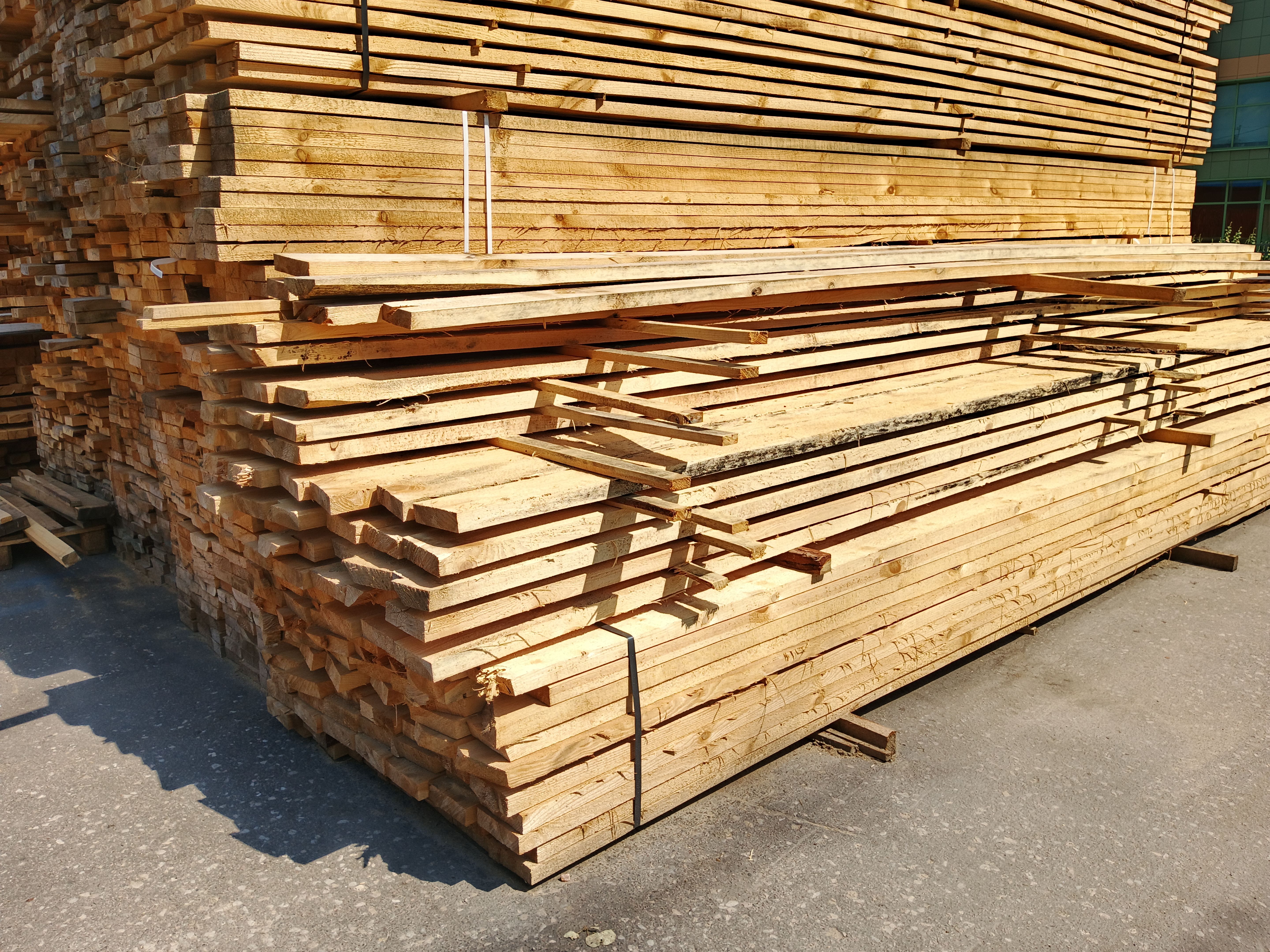
Pallets come in various materials, including wood, plastic, and metal. Each type has its own advantages and disadvantages. Wooden pallets are traditional and cost-effective, but they may not be as durable as plastic or metal options. Plastic pallets are lightweight and resistant to moisture and chemicals, making them ideal for food and pharmaceutical industries. Metal pallets, while more expensive, offer excellent durability and can handle heavy loads.
Standard Pallet Sizes
Another important consideration is the size of the pallets. Standard sizes can vary depending on the region and industry. In North America, the 48x40 inch pallet is most common, while European businesses often use 1200x800 mm or 1200x1000 mm pallets. Make sure to choose a size that aligns with your logistical needs and storage facilities.
Cost Considerations
The cost of pallets is a significant factor for any business. While wooden pallets are generally cheaper, they may require more frequent replacement due to wear and tear. On the other hand, investing in plastic or metal pallets could be more cost-effective in the long run due to their durability. Consider your budget and the potential return on investment when making your decision.

Environmental Impact
With growing awareness of environmental issues, many businesses are considering the sustainability of their pallet choices. Wooden pallets are biodegradable and can be recycled or repaired easily. Plastic pallets, while more durable, are less environmentally friendly unless recycled properly. Consider adopting a recycling or pallet return program to minimize environmental impact.
Supplier Selection
Choosing the right supplier is as important as choosing the right type of pallet. Look for suppliers with a solid reputation and a track record of reliability. Evaluate their delivery timelines, customer service, and ability to meet your volume requirements. A dependable supplier can greatly enhance your supply chain efficiency.
Customization Needs
Depending on your industry, you might require customized pallets that cater to specific product dimensions or handling requirements. Many suppliers offer customization services, allowing you to design pallets that perfectly fit your needs. Customization can enhance product safety and optimize storage space.
Conclusion
Selecting the right pallets involves careful consideration of multiple factors including material, size, cost, environmental impact, and supplier reliability. By understanding your business needs and evaluating various options, you can make an informed decision that supports efficient and sustainable operations. Remember, the right choice can significantly impact your logistics and contribute to overall business success.