The Ultimate Guide to Choosing the Right Pallet for Your Shipping Needs


Understanding Your Shipping Needs
Choosing the right pallet for shipping is crucial for ensuring the safe and efficient transport of goods. Understanding your shipping needs is the first step. Consider the weight, size, and type of your products. Are they fragile or perishable? Will they be shipped internationally or domestically? Knowing these details will guide your pallet choice.
Additionally, consider the shipping environment. Will your goods be exposed to moisture or extreme temperatures? Different pallets offer varying levels of protection. Matching your pallet to the shipping conditions can prevent damage and loss.
Types of Pallets
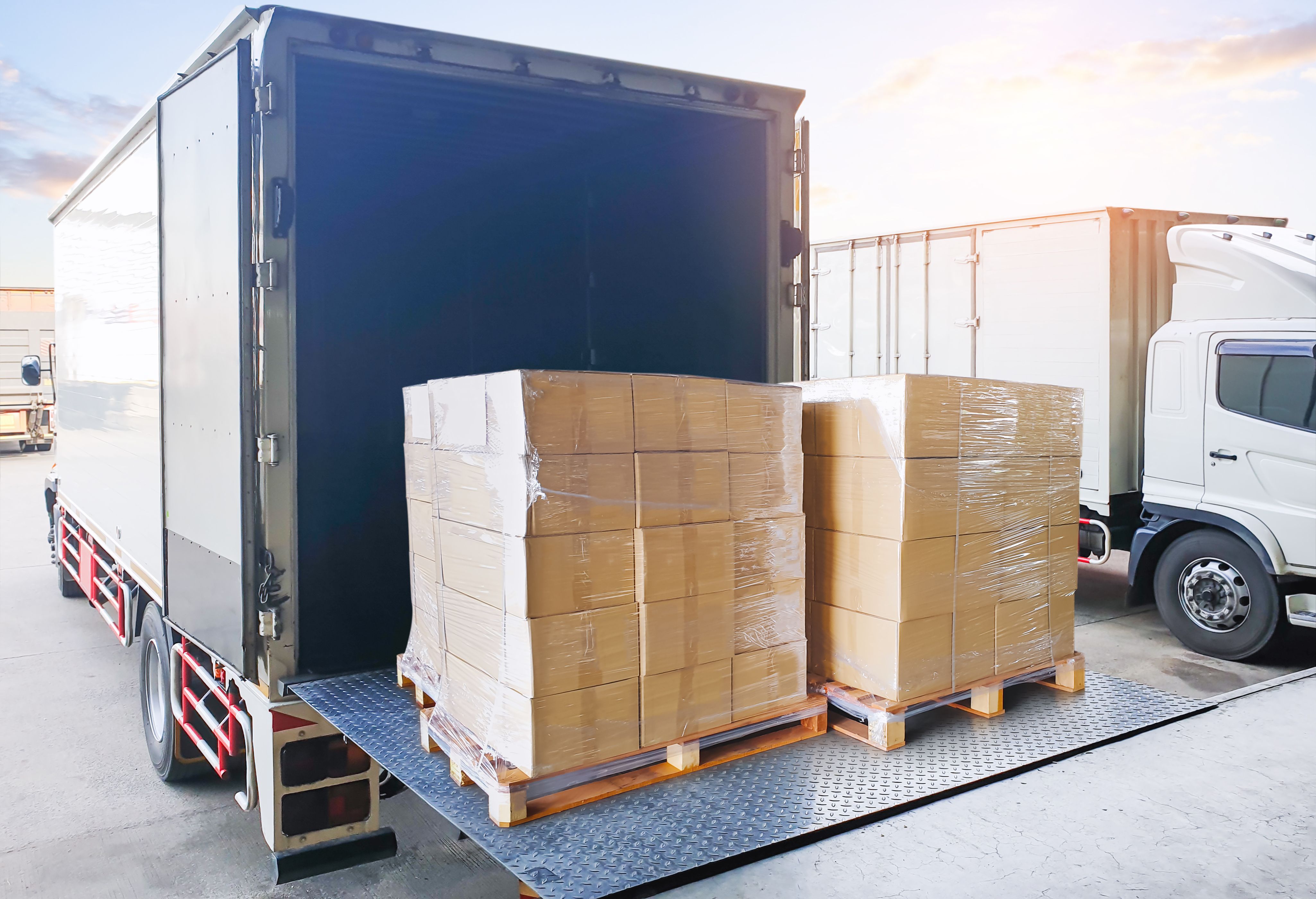
There are several types of pallets to choose from, each with its own strengths. The most common are wood, plastic, and metal. Wooden pallets are traditional and cost-effective, ideal for one-time use. However, they can be susceptible to moisture and pests.
Plastic pallets are durable and resistant to environmental factors. They are reusable and ideal for industries requiring hygiene, like pharmaceuticals and food. Metal pallets offer maximum durability and are used for heavy-duty and long-term storage, though they can be more expensive.
Standard Pallet Sizes
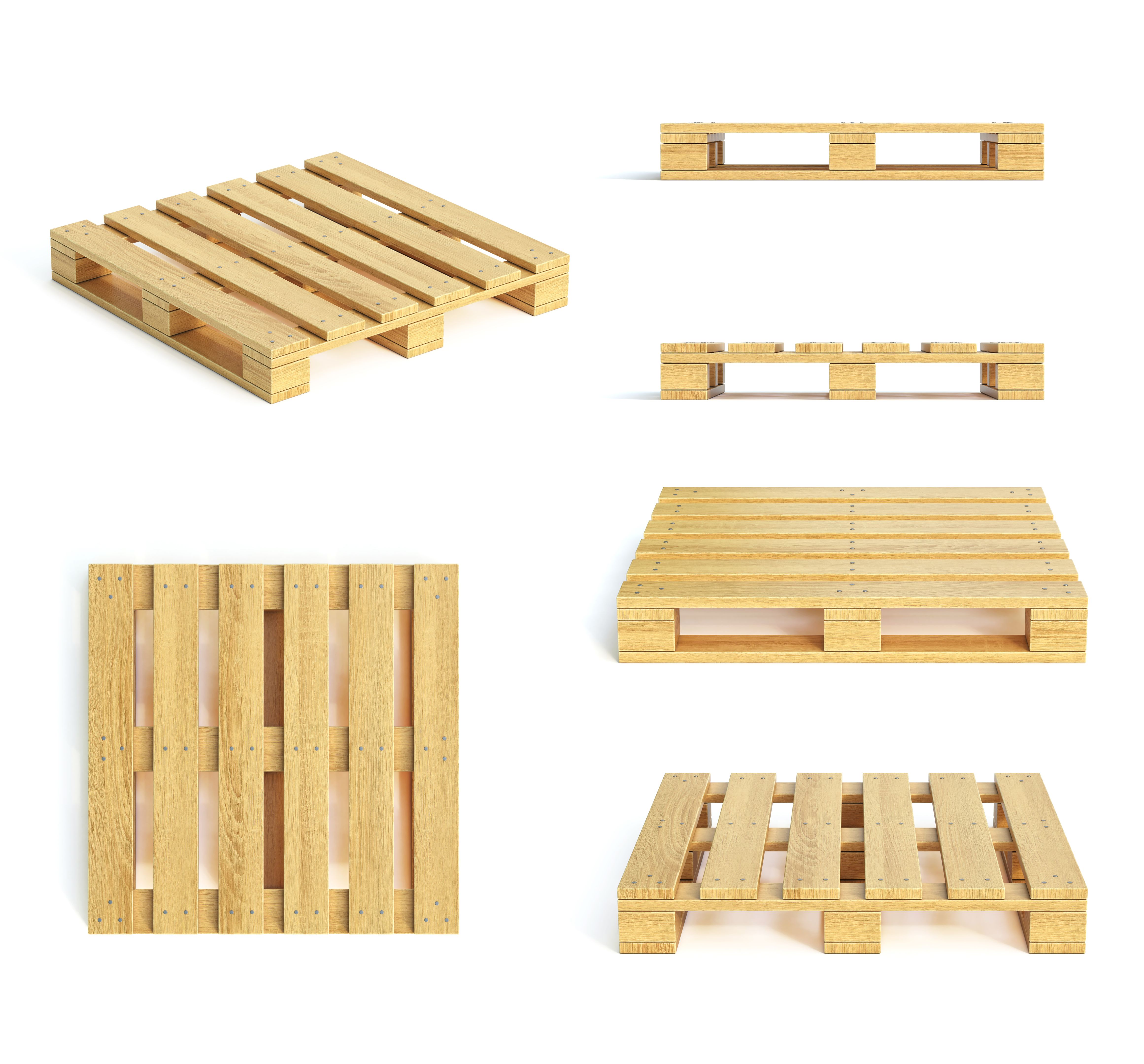
Understanding pallet sizes is essential for optimizing space and ensuring compatibility with transportation equipment. The standard size in North America is 48x40 inches. However, international shipments may require different dimensions. Researching the standard sizes for your shipping destinations can save time and reduce costs.
Consider customizing pallet sizes for specific needs. Custom pallets can be designed to fit unique product dimensions, minimizing unnecessary space and providing better protection.

Cost Considerations
When selecting a pallet, budget is often a major concern. Wooden pallets are generally more affordable, but they may not be cost-effective in the long run if frequent replacements are needed. Plastic and metal pallets, while more expensive initially, can offer better value over time due to their durability and reusability.
Consider the total cost of ownership, including potential savings from reduced product damage and improved efficiency in handling and storage. Sometimes, investing in higher-quality pallets can lead to long-term savings.
Environmental Impact
As businesses focus more on sustainability, the environmental impact of pallet choice becomes significant. Wooden pallets are biodegradable and often made from renewable resources, but they can contribute to deforestation if not sourced responsibly.
Plastic pallets are recyclable and can have a lower environmental impact when reused multiple times. Choosing pallets that align with your company’s sustainability goals can enhance your brand’s reputation and reduce your carbon footprint.
Conclusion
Choosing the right pallet for your shipping needs involves evaluating factors such as product type, shipping conditions, and budget. By understanding the various pallet types, sizes, and materials, you can make an informed decision that enhances efficiency and protects your goods. Consider the long-term benefits and environmental impact to ensure that your choice aligns with both operational and ethical goals.