The Ultimate Guide to Choosing the Right Pallet for Your Business Needs


Choosing the right pallet for your business needs is crucial for ensuring efficiency in storage, transportation, and handling of goods. With various options available, making the right choice can be daunting. This guide will help you navigate through the different types of pallets and their specific benefits.
Understanding Pallet Materials
The material of a pallet can significantly impact its durability, weight, and cost. The most common pallet materials include wood, plastic, and metal. Each has its unique set of advantages and disadvantages.
Wooden Pallets
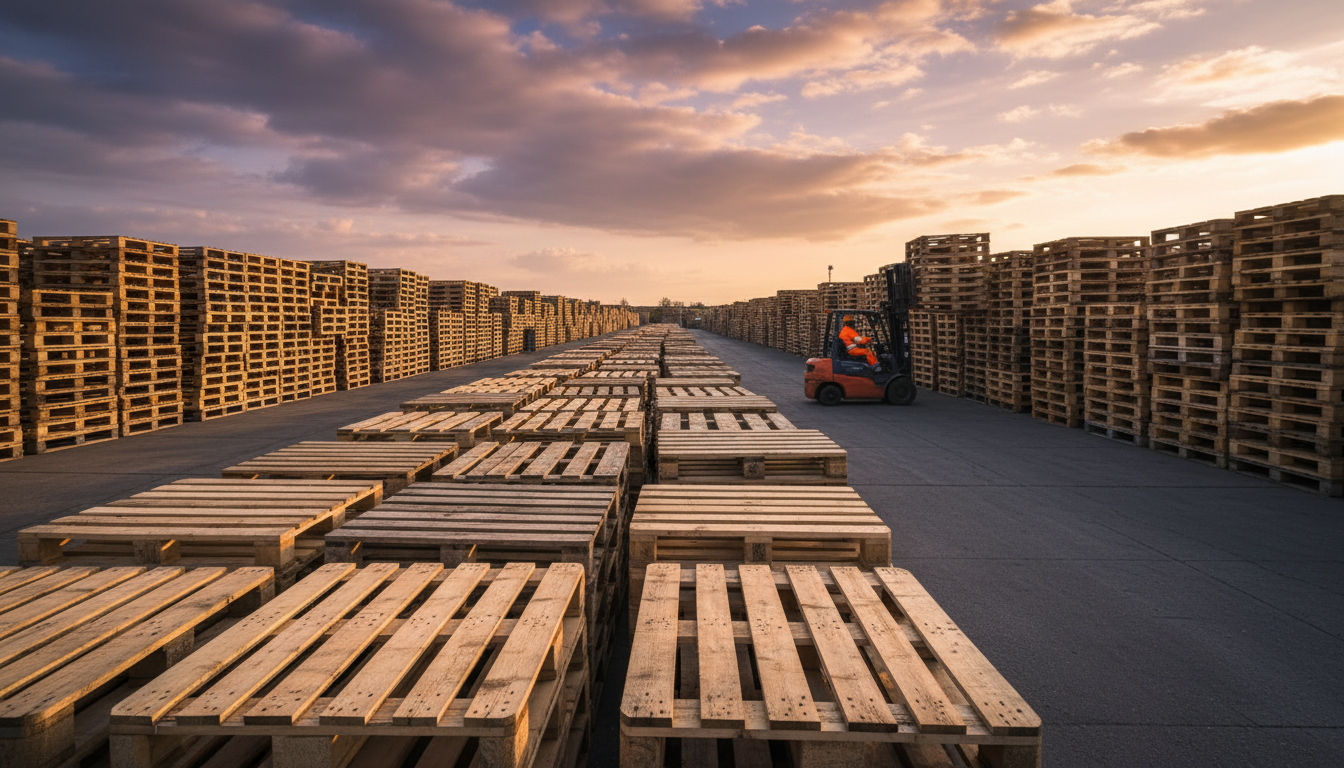
Wooden pallets are the most traditional and widely used. They are cost-effective and offer a high load capacity. However, they can be prone to splinters and may require treatment to prevent pests.
Plastic Pallets
Plastic pallets are lightweight and resistant to moisture and chemicals. They are ideal for businesses where hygiene is a priority, such as in the food and pharmaceutical industries. While more expensive than wood, their durability can justify the cost.
Considering Pallet Size and Design
The size and design of the pallet also play a crucial role in its functionality. Standard sizes vary by region, so it's important to choose a size that complements your logistical needs.
Standard Sizes
In North America, the 48x40 inch pallet is the most common. Europe generally uses the 1200x800 mm size. Ensuring compatibility with your storage and transportation systems is key to seamless operations.
Special Designs
For specific industries, pallets with unique designs such as stackable, nestable, or rackable options are available. These designs enhance space efficiency and ease of handling.
Evaluating Cost vs. Longevity
When selecting pallets, balancing cost with longevity is essential. While wooden pallets are cheaper upfront, plastic and metal options often provide better long-term value due to their durability and lower maintenance needs.
Consider your budget and how often pallets need replacement. Investing in a higher-quality pallet can lead to savings in the long run through reduced replacement costs and improved operational efficiency.
Environmental Impact
As businesses become more eco-conscious, considering the environmental impact of pallet materials is increasingly important. Wooden pallets are biodegradable, while plastic pallets can often be recycled. Choosing a sustainable option can enhance your company's environmental credentials.
Ultimately, the right pallet for your business depends on your specific needs, budget, and operational priorities. By understanding the different materials, sizes, and designs, you can make an informed decision that enhances your supply chain efficiency.