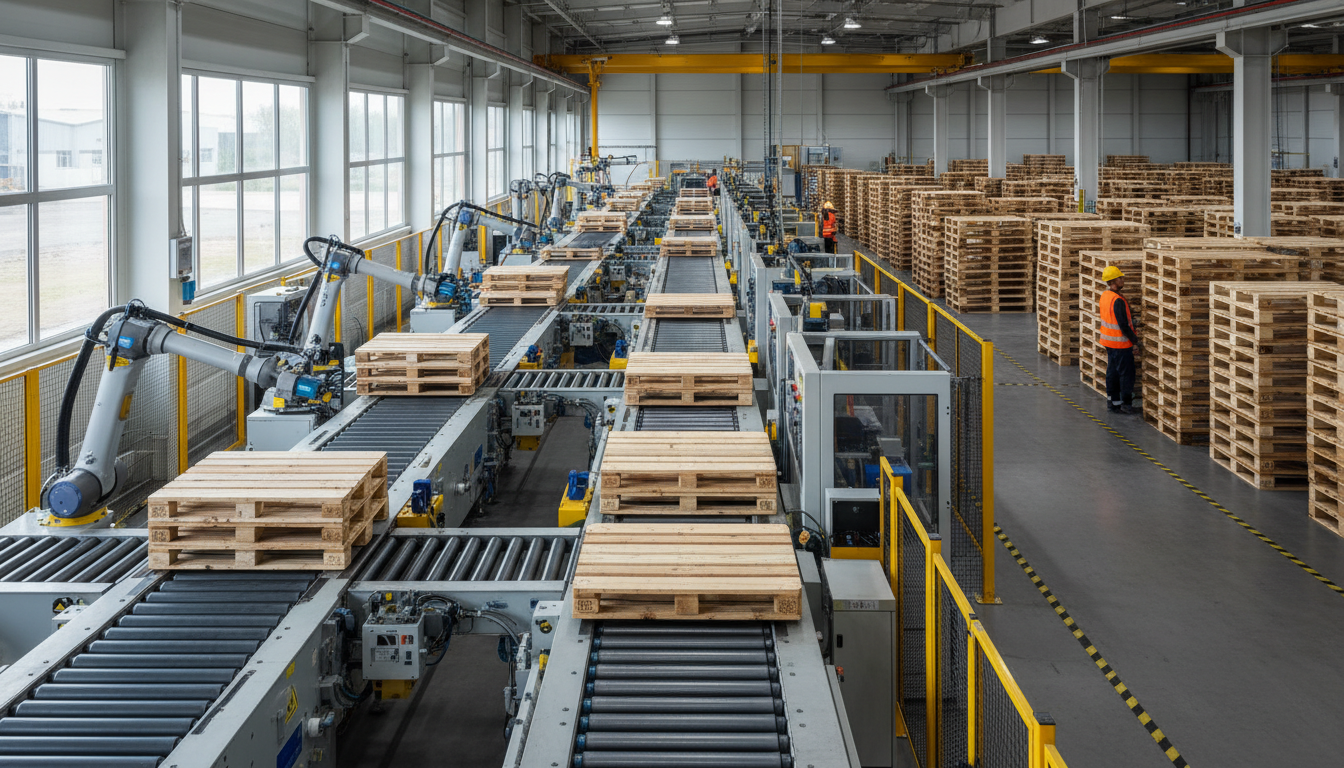
The Impact of Regional Weather on Pallet Durability and Selection


Understanding the Basics of Pallet Durability
Pallets are essential components in logistics and supply chain management, providing a stable platform for storing and transporting goods. The durability of a pallet is significantly influenced by the materials used in its construction, such as wood, plastic, or metal. However, an often-overlooked factor is the impact of regional weather conditions on pallet performance.
Weather elements like humidity, temperature fluctuations, and precipitation can compromise the structural integrity of pallets. Understanding these effects is crucial for businesses to make informed decisions about their pallet selection and maintenance strategies.
The Effects of Humidity on Wood Pallets
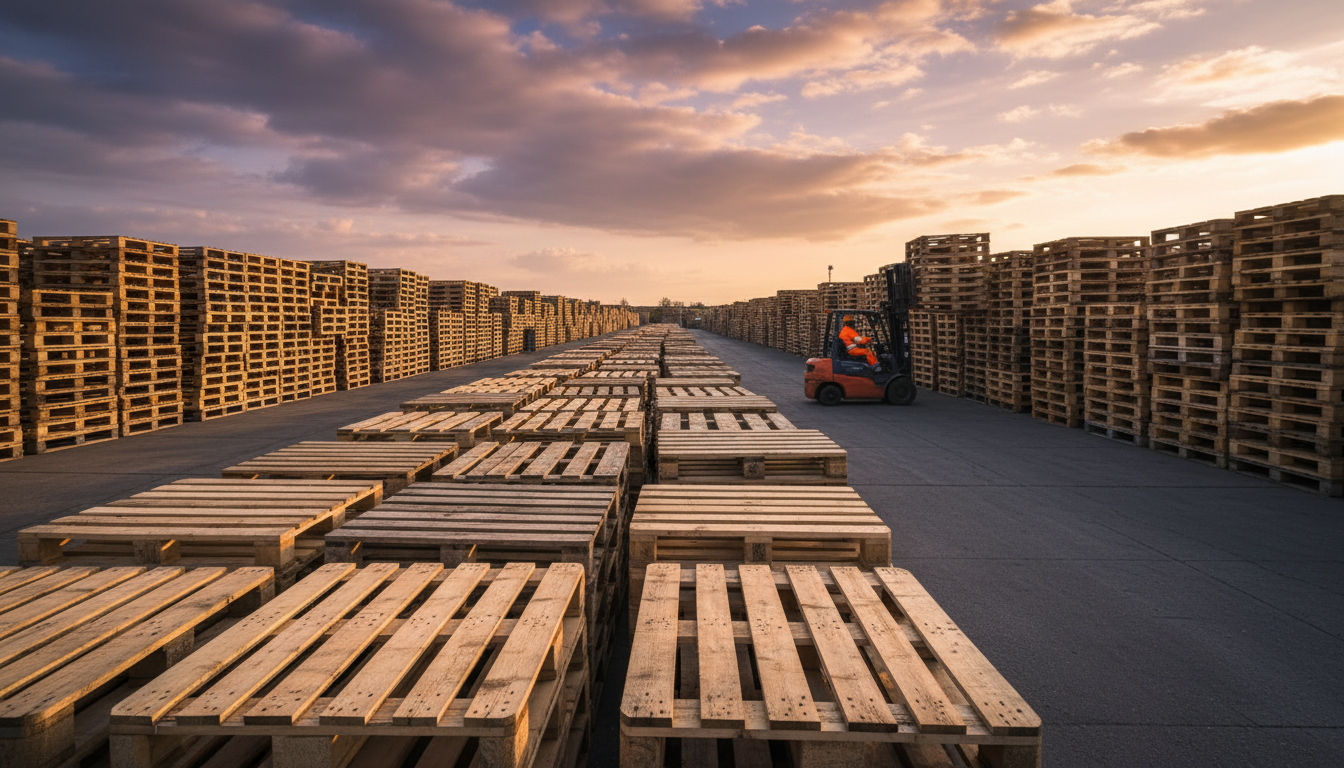
Wooden pallets are particularly susceptible to humidity. In regions with high humidity levels, wood can absorb moisture, leading to swelling, warping, or even mold growth. These issues can weaken the pallet, reducing its load-bearing capacity and lifespan. Conversely, in dry climates, wood may become brittle, increasing the risk of breakage under heavy loads.
To counteract these effects, businesses can consider using treated wood or opting for plastic pallets in humid environments. Regular inspections and maintenance can also help in mitigating potential damage due to moisture absorption.
Temperature Fluctuations and Their Impact
Extreme temperatures, whether hot or cold, can significantly affect pallet durability. Heat can cause materials to expand, while cold can make them contract and become brittle. Both scenarios can lead to structural damage over time. This is especially true for plastic pallets, which may warp or crack under such conditions.
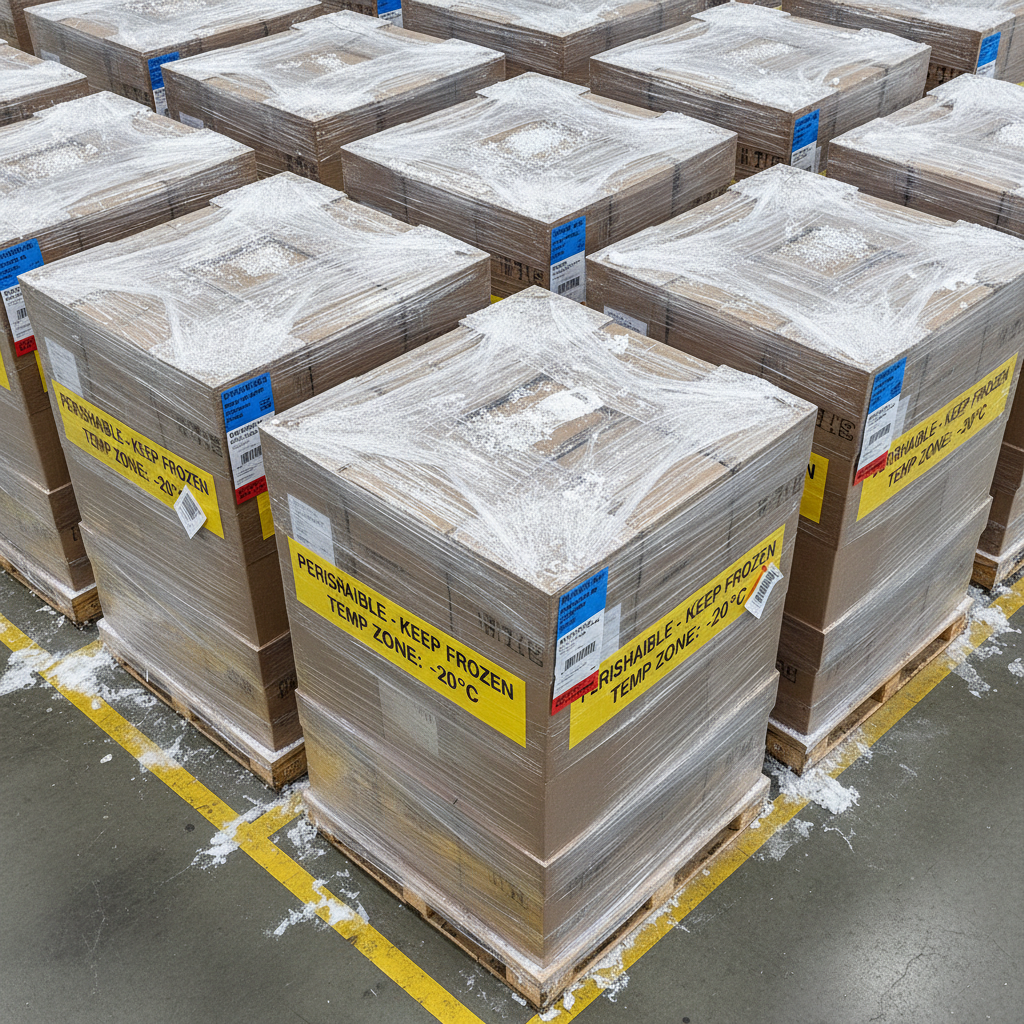
Choosing pallets made of materials that can withstand temperature extremes is essential for regions with significant seasonal changes. Metal pallets or specially designed temperature-resistant plastic pallets can be viable alternatives.
Precipitation and Pallet Selection
Regions with heavy rainfall or snowfall present additional challenges for pallet durability. Water exposure can lead to wood rot and rust in metal pallets, while plastic pallets may become slippery and hazardous when wet. Implementing proper drainage systems and storage facilities can help protect pallets from direct exposure to precipitation.
Selecting pallets with weather-resistant coatings or using alternative materials such as composite pallets can also offer enhanced protection against water damage.
Strategies for Enhancing Pallet Lifespan
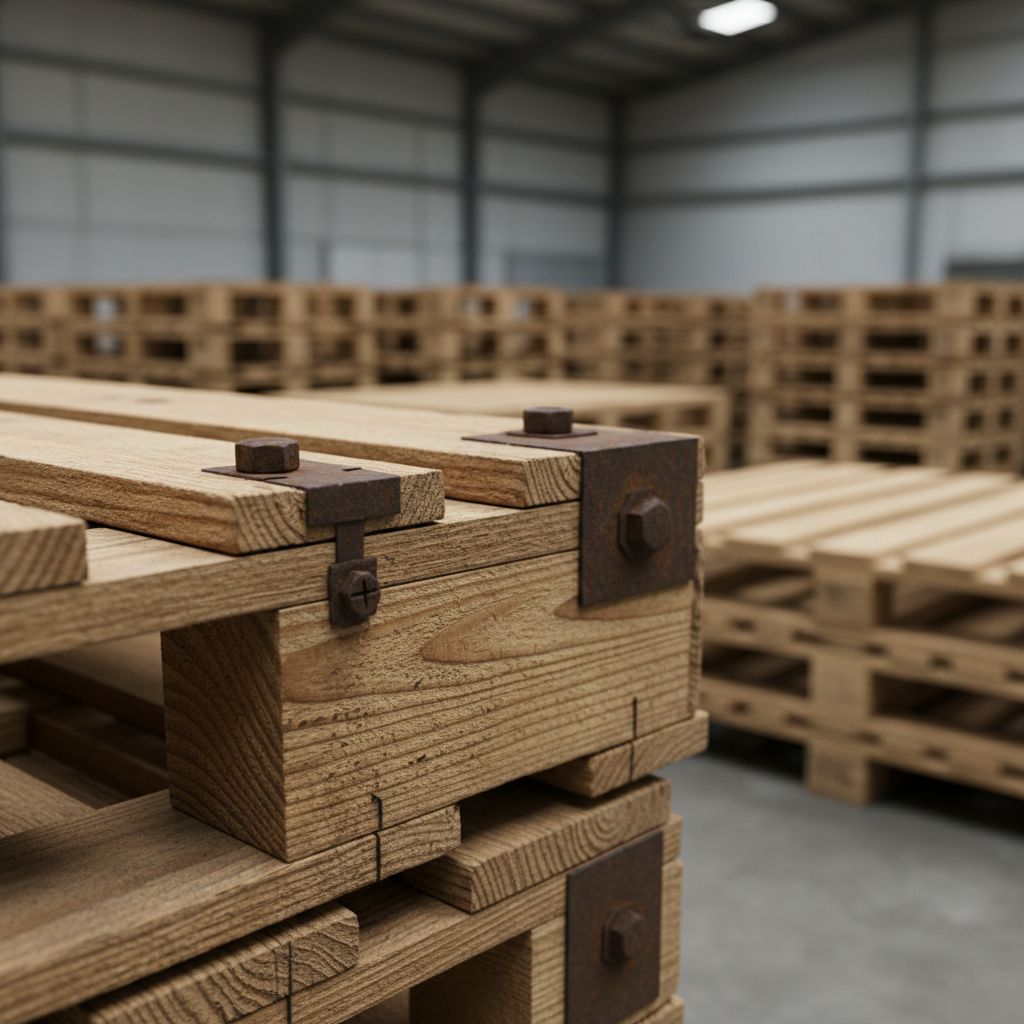
Businesses can implement several strategies to enhance pallet lifespan, regardless of regional weather conditions. Regular maintenance checks, including cleaning, repairs, and timely replacements, are crucial. Additionally, investing in pallets with enhanced durability features, such as UV protection or chemical treatments, can provide added resilience.
Training employees on proper pallet handling and storage techniques also plays a vital role in prolonging pallet life. Ensuring that pallets are used correctly and stored in optimal conditions will minimize unnecessary wear and tear.
Conclusion: Making Informed Decisions
The impact of regional weather on pallet durability is a complex but essential consideration for businesses aiming to optimize their logistics operations. By understanding the specific challenges posed by local climate conditions, organizations can select the most suitable pallets and implement effective maintenance strategies.
Ultimately, making informed decisions about pallet materials and care can lead to cost savings, improved efficiency, and enhanced safety in the supply chain. As climate patterns continue to change, staying informed and adaptable will remain key to managing pallet durability effectively.