The Environmental Impact of Using Returnables Over Traditional Packaging


The Rise of Returnable Packaging
In recent years, the emphasis on sustainability has led to a surge in the popularity of returnable packaging solutions. Unlike traditional packaging, which often ends up in landfills, returnables provide a more environmentally friendly alternative. Businesses are increasingly turning to these solutions to not only reduce their carbon footprint but also to meet consumer demand for more eco-conscious practices.
Returnables, such as reusable bottles, crates, and containers, are designed for multiple uses before they need to be recycled or disposed of. This model significantly reduces the need for single-use materials and decreases the overall waste generated from packaging.

Environmental Benefits of Returnable Packaging
One of the primary environmental benefits of using returnable packaging is the reduction in raw material consumption. Since these items are reused multiple times, the need for continuous production is diminished, leading to less resource extraction and energy use. This directly translates to a reduction in greenhouse gas emissions associated with manufacturing processes.
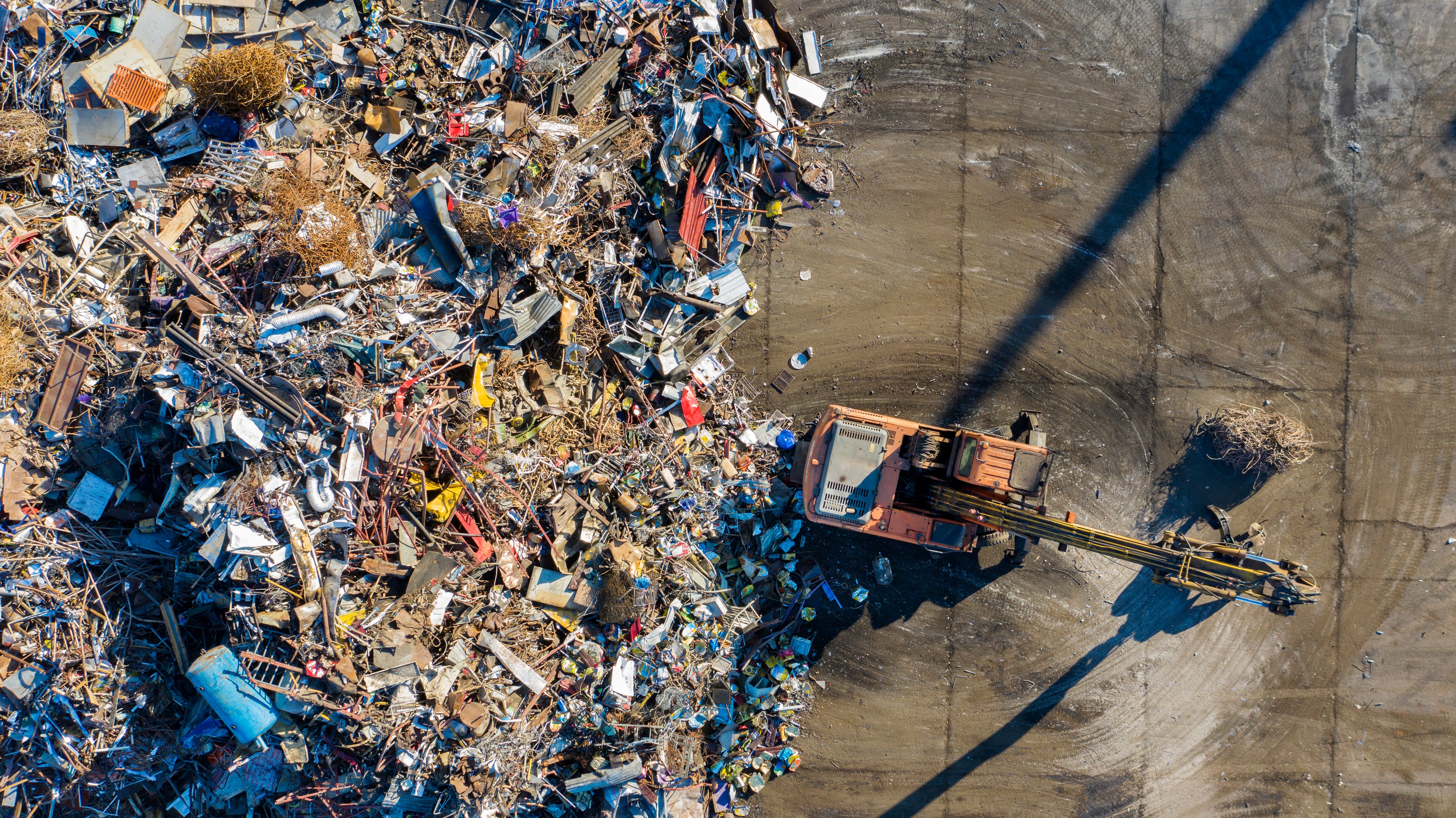
Additionally, returnable packaging often results in reduced waste in landfills. Traditional packaging materials, especially plastics, can take hundreds of years to decompose. By adopting returnables, we can significantly decrease the volume of waste that ends up in landfills, thereby reducing soil and water pollution.
Lowering Energy Consumption
The production and transportation of traditional packaging materials require substantial energy inputs. Returnable packaging solutions help cut down on this energy use. Since they are reused multiple times, the need for constant production and transportation diminishes. This not only lowers energy consumption but also reduces associated emissions.
Economic Advantages for Businesses
Beyond the environmental impacts, returnable packaging offers significant economic advantages for businesses. Although the initial investment might be higher compared to traditional packaging, the long-term savings can be substantial. Businesses can save on costs related to purchasing new materials and waste disposal.
Moreover, companies adopting sustainable practices often enjoy an enhanced brand image. Consumers today are more environmentally conscious and tend to favor brands that demonstrate a commitment to sustainability. Implementing returnable packaging can help businesses attract and retain customers who prioritize eco-friendly products.

Challenges and Considerations
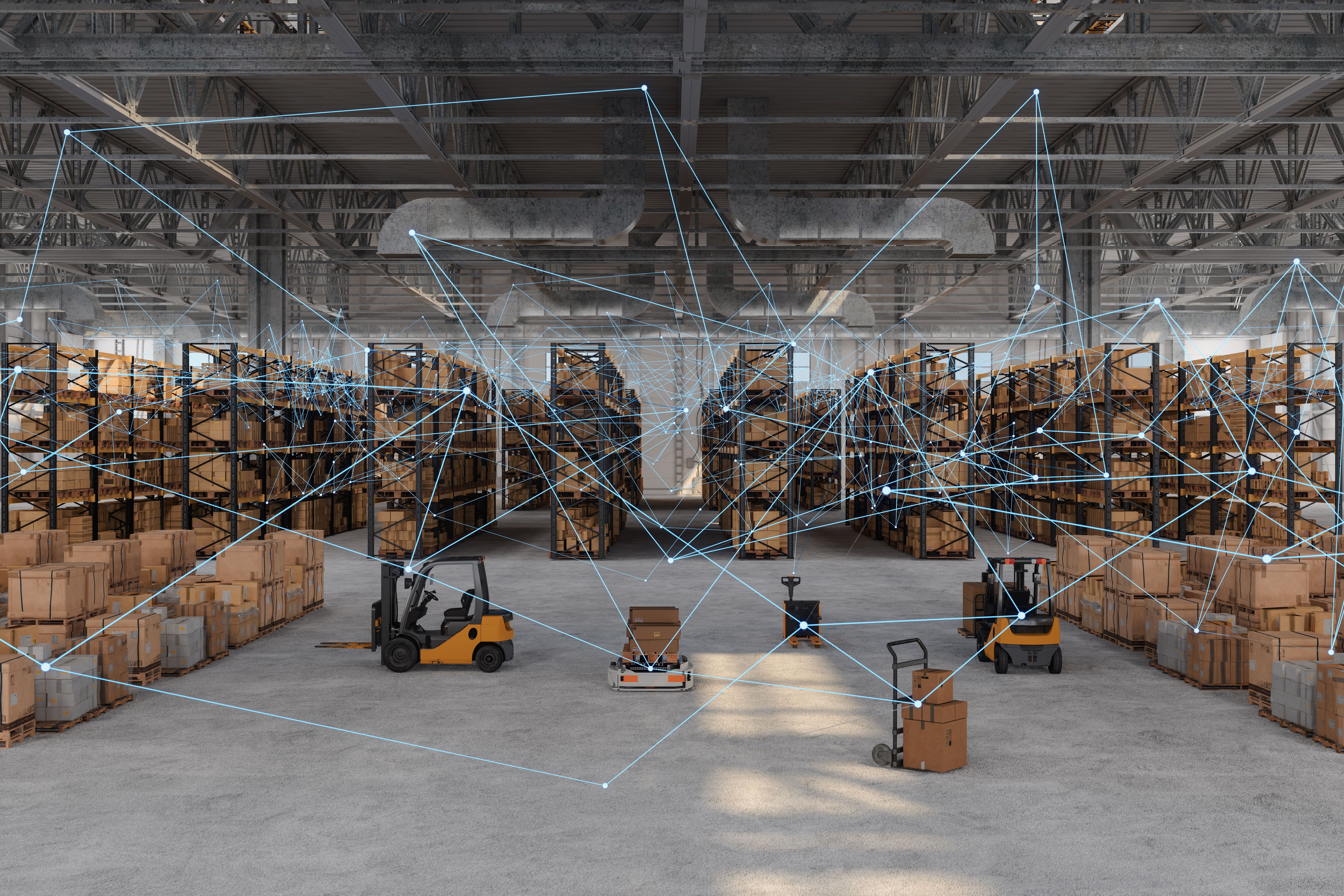
Despite their many benefits, there are challenges associated with the implementation of returnable packaging systems. Logistics play a crucial role in ensuring the efficiency of returnable models. Companies must establish efficient systems for collecting, cleaning, and redistributing the packaging items.
Additionally, consumer participation is vital for the success of returnable packaging systems. Businesses must educate and incentivize consumers to return used packaging items. Successful models often include deposit schemes or loyalty programs that encourage returns.
The Future of Packaging
As awareness of environmental issues continues to grow, the shift towards sustainable packaging solutions is likely to accelerate. Innovations in material science and logistics will further enhance the viability and efficiency of returnable packaging systems.
The future of packaging is undoubtedly green, with returnables playing a pivotal role in reducing waste and promoting sustainability. By embracing these solutions, businesses can not only contribute to a healthier planet but also position themselves as leaders in the movement towards a more sustainable future.