The Complete Guide to Choosing the Right Wooden Pallets for Your Business


Understanding Wooden Pallets
Wooden pallets are a vital component in the logistics and transport industries. They provide a sturdy base for storing, stacking, and transporting goods. However, not all wooden pallets are created equal. Choosing the right type for your business can significantly impact your operations' efficiency and cost-effectiveness. This guide will help you navigate the options available and make an informed decision.
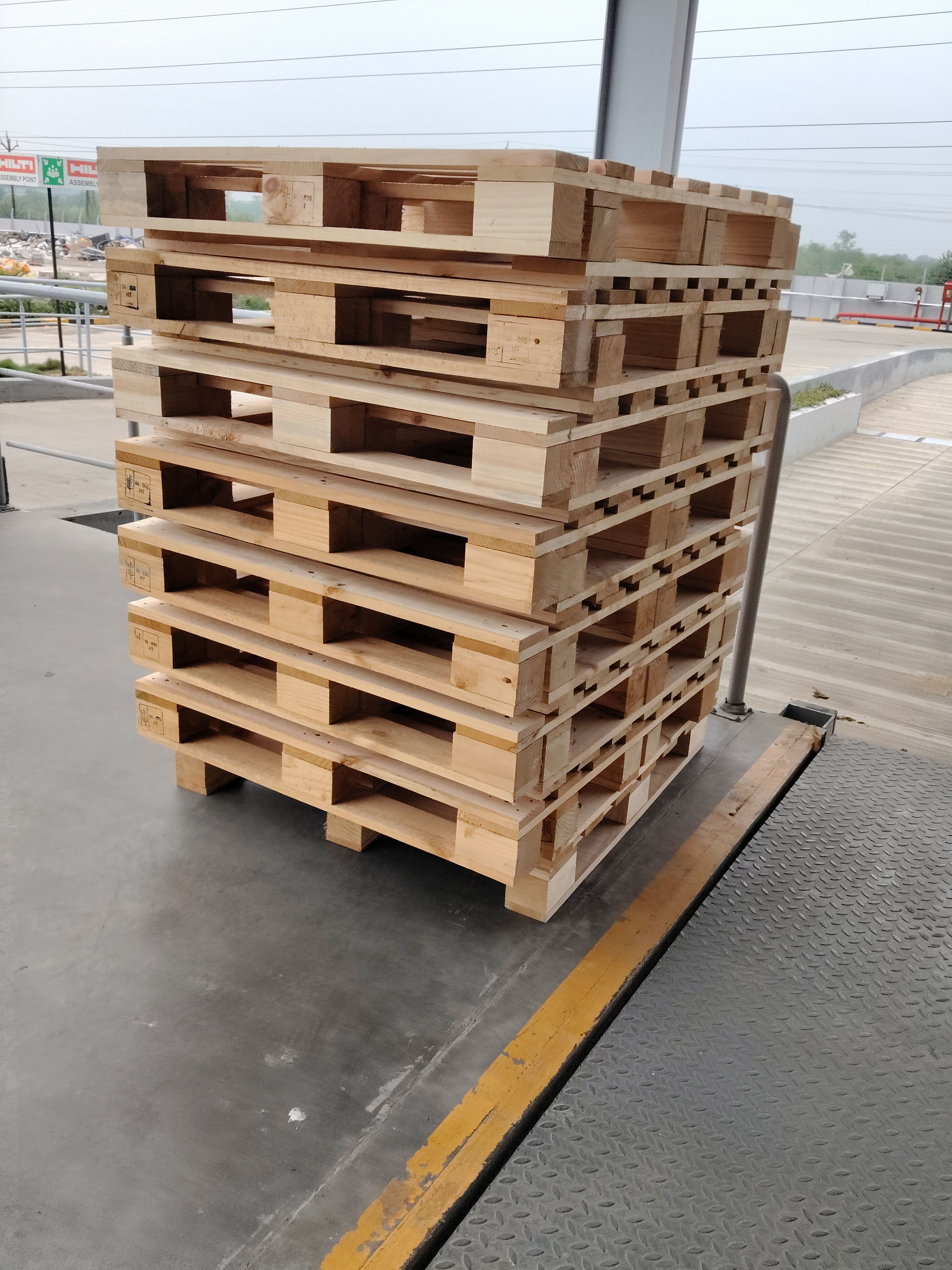
Types of Wooden Pallets
Wooden pallets come in various types, each designed for specific uses. The most common types include:
- Stringer Pallets: These have a frame supported by three or more parallel pieces of timber known as stringers. They are suitable for lighter loads.
- Block Pallets: Constructed with both parallel and perpendicular stringers, block pallets offer superior strength and are ideal for heavier loads.
- Customized Pallets: Tailored to meet specific size or strength requirements, these pallets can accommodate unique business needs.
Material Considerations
The type of wood used in pallet construction can affect durability and cost. Softwoods like pine are more affordable but may not last as long as hardwoods such as oak or maple. Consider the trade-off between initial investment and lifespan when selecting materials. Additionally, the choice between new or recycled pallets can influence both sustainability and budget.

Size and Dimensions
Pallet sizes vary to accommodate different load types and storage requirements. The standard size in North America is 48x40 inches, but you may need other dimensions depending on your storage systems or shipping needs. Ensure that your pallet supplier can provide the sizes that match your business requirements.
Load Capacity
Understanding the load capacity of a pallet is crucial for avoiding overloading and potential damage to goods. Pallet strength is determined by its construction type and materials. Always check the specifications from the manufacturer to ensure they meet your load-bearing requirements.

Environmental and Regulatory Considerations
With increasing emphasis on sustainability, many businesses are opting for environmentally friendly pallet options. Recycled pallets or those made from sustainably sourced wood can reduce your carbon footprint. Additionally, be aware of regulations such as ISPM 15, which governs the treatment of wood packaging materials in international shipments to prevent pest infestations.
Choosing a Supplier
Selecting a reliable supplier is as important as choosing the right pallet type. A good supplier should offer a variety of options, competitive pricing, and excellent customer service. Look for reviews or testimonials from other businesses to gauge their reputation and reliability.

Conclusion
Choosing the right wooden pallets for your business involves careful consideration of type, material, size, load capacity, and environmental impact. By understanding these key factors, you can make a decision that enhances your operational efficiency while supporting sustainability initiatives. Armed with this guide, you're well-equipped to select the best wooden pallets for your business needs.