Seasonal Tips for Maintaining Wooden Pallets in Humid Climates


Understanding the Impact of Humidity on Wooden Pallets
Wooden pallets are a staple in logistics and storage, offering durability and strength. However, in humid climates, they can face unique challenges. High humidity levels can lead to the absorption of moisture by the wood, which can cause swelling, warping, and even mold growth. This not only affects the structural integrity of the pallets but can also compromise the safety of the goods stored on them.
Understanding how humidity impacts wooden pallets is crucial for maintaining their longevity and functionality. Implementing effective maintenance strategies can help mitigate these effects and ensure your pallets remain in optimal condition year-round.
Proper Storage Practices
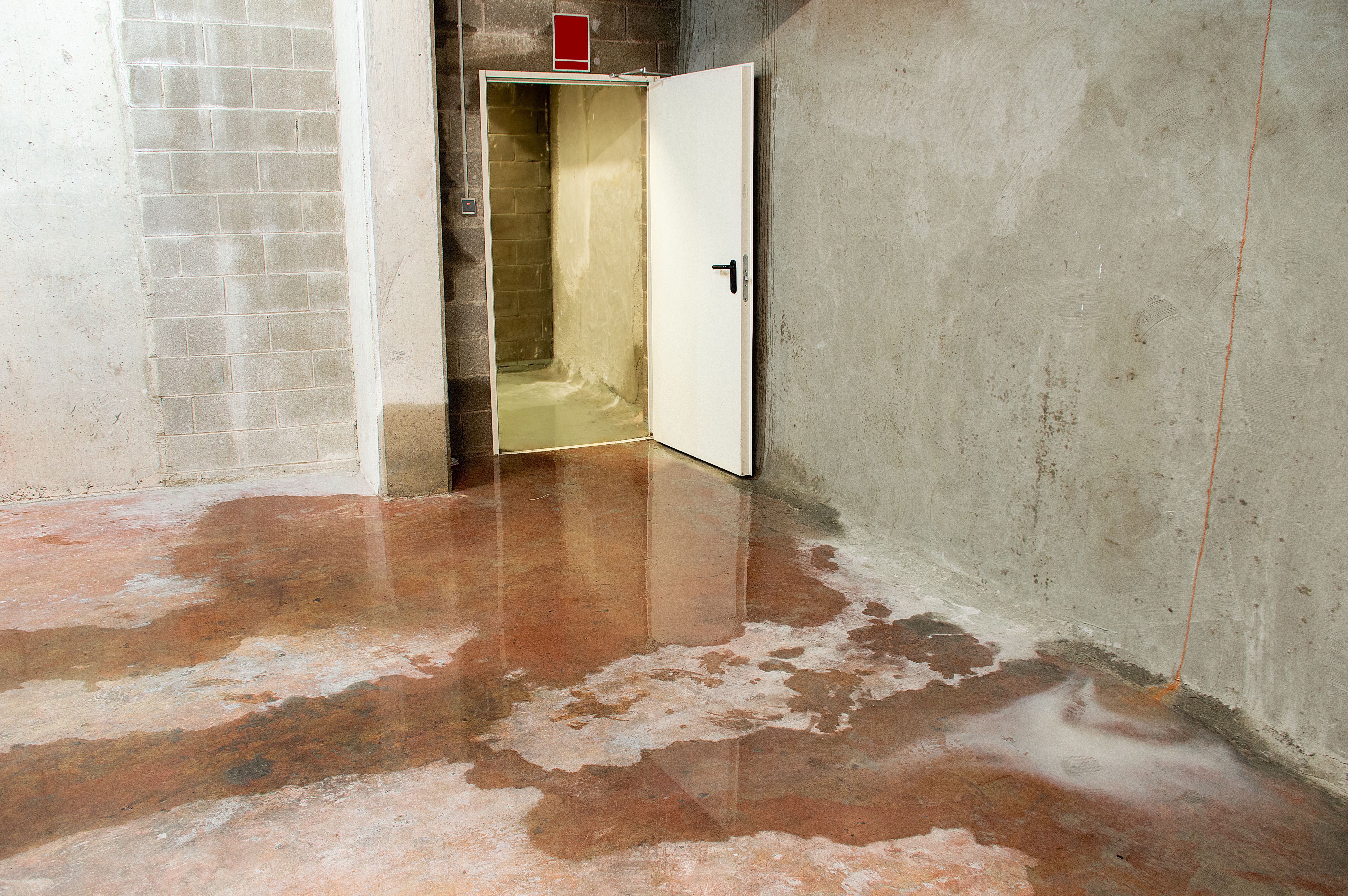
One of the most effective ways to protect wooden pallets in humid environments is through proper storage practices. It's essential to store pallets in a well-ventilated area to allow moisture to evaporate and prevent accumulation. Avoid placing them directly on the ground, as this can increase exposure to moisture and pests.
Additionally, stacking pallets correctly is vital. Ensure they are stacked evenly and not too tightly to allow airflow between them. This helps to reduce moisture build-up and prevents warping or other damage caused by humidity.
Regular Inspection and Maintenance
Conducting regular inspections is a proactive approach to maintaining wooden pallets. Look for signs of mold, mildew, or rot, which can indicate excessive moisture exposure. If any pallets show signs of damage, it's crucial to address these issues promptly. This might involve repairing or replacing certain pallets to maintain overall safety and functionality.

Using Protective Treatments
Applying protective treatments to your wooden pallets can significantly enhance their resistance to humidity. Consider using sealants or moisture-resistant coatings that create a barrier against moisture penetration. These treatments can extend the lifespan of your pallets and reduce the need for frequent replacements.
It's important to choose treatments that are suitable for the type of wood used in your pallets and ensure they are applied correctly for maximum effectiveness.
Implementing a Rotating System
Implementing a rotating system for your pallets can also be beneficial. By regularly rotating your stock, you ensure that the same pallets are not constantly exposed to moisture, reducing wear and tear. This simple strategy helps distribute exposure evenly across all pallets, promoting longevity.

Training Staff on Best Practices
Ensuring that all staff members are trained in best practices for handling and storing wooden pallets in humid climates is essential. Training should cover proper stacking techniques, recognizing signs of damage, and understanding the importance of ventilation and rotation.
By fostering a culture of awareness and responsibility, you can ensure that everyone involved in handling your wooden pallets contributes to their maintenance and longevity.
Conclusion
Maintaining wooden pallets in humid climates requires a combination of proper storage, regular inspections, protective treatments, and staff training. By implementing these strategies, you can protect your investment, enhance safety, and prolong the life of your wooden pallets despite challenging environmental conditions. Ensuring your pallets remain in good condition not only supports efficient operations but also safeguards the quality and safety of the goods they transport.