Seasonal Tips: Protecting Your Pallets During Harsh Weather Conditions


Understand the Impact of Weather on Pallets
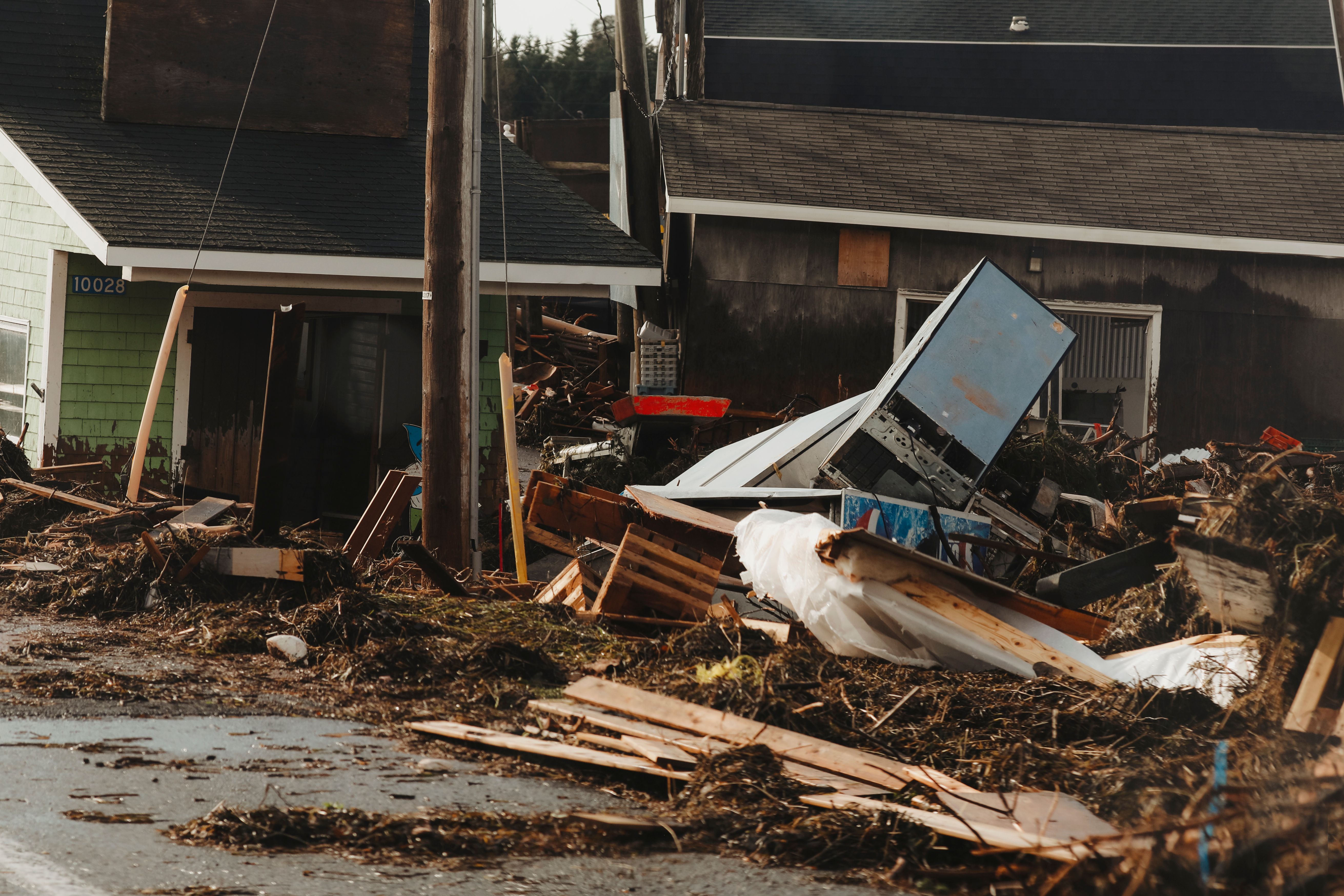
Pallets are an essential component of the supply chain, but they are often vulnerable to harsh weather conditions. Whether it’s the scorching heat of summer or the icy chill of winter, extreme weather can compromise the integrity of your pallets. Understanding the effects of different weather conditions is crucial for maintaining their durability and functionality.
Exposure to moisture and fluctuating temperatures can lead to warping, rotting, or even breaking of pallets. Wooden pallets, in particular, are susceptible to absorbing moisture, which can weaken their structure. On the other hand, plastic pallets can become brittle in cold temperatures, increasing the risk of cracks.
Choose the Right Material
Selecting the appropriate pallet material can make a significant difference in their performance during harsh weather conditions. Wooden pallets are cost-effective and widely used, but they may not always be the best choice for environments prone to heavy rain or snow. In such cases, plastic pallets offer a more resilient alternative due to their water-resistant properties.
However, if you choose wooden pallets, consider using treated wood or applying a water-resistant coating to enhance their durability. Investing in high-quality materials may require an initial outlay, but it can save costs related to pallet damage in the long run.
Implement Proper Storage Solutions
Proper storage is key to protecting your pallets from harsh weather. Storing pallets indoors or under a covered area can shield them from direct exposure to rain, snow, and excessive sunlight. If indoor storage is not possible, consider using tarps or pallet covers as a protective layer against the elements.
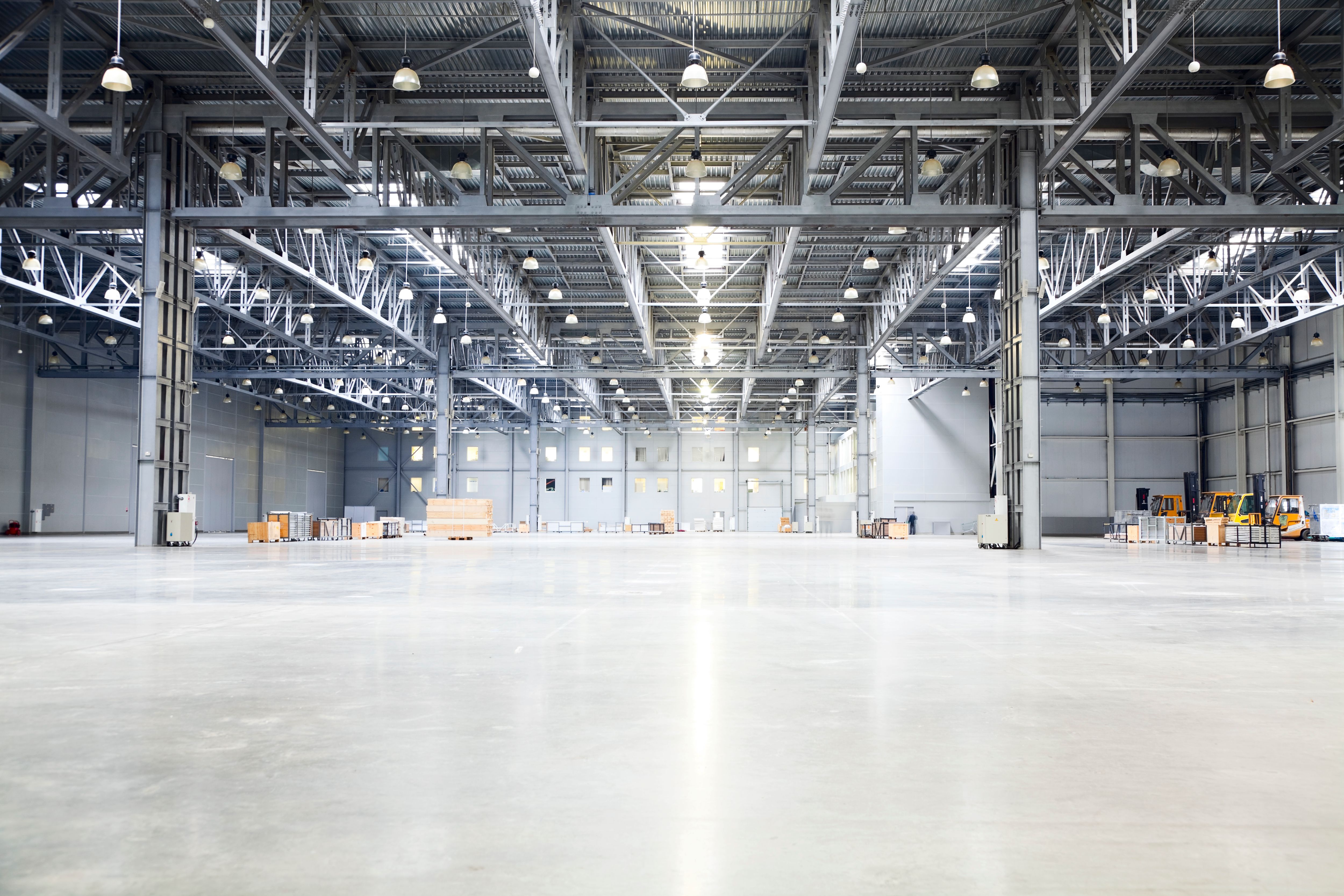
Additionally, ensure that pallets are stored on flat surfaces and stacked evenly to prevent tipping or undue pressure on certain areas. This not only maintains their structural integrity but also ensures safety when handling them.
Regularly Inspect and Maintain Pallets
Routine inspections play a vital role in preventing damage to your pallets. Regularly check for signs of wear and tear, such as cracks, splinters, or mold growth. Early detection allows for timely repairs or replacements, ensuring that pallets remain safe for use.
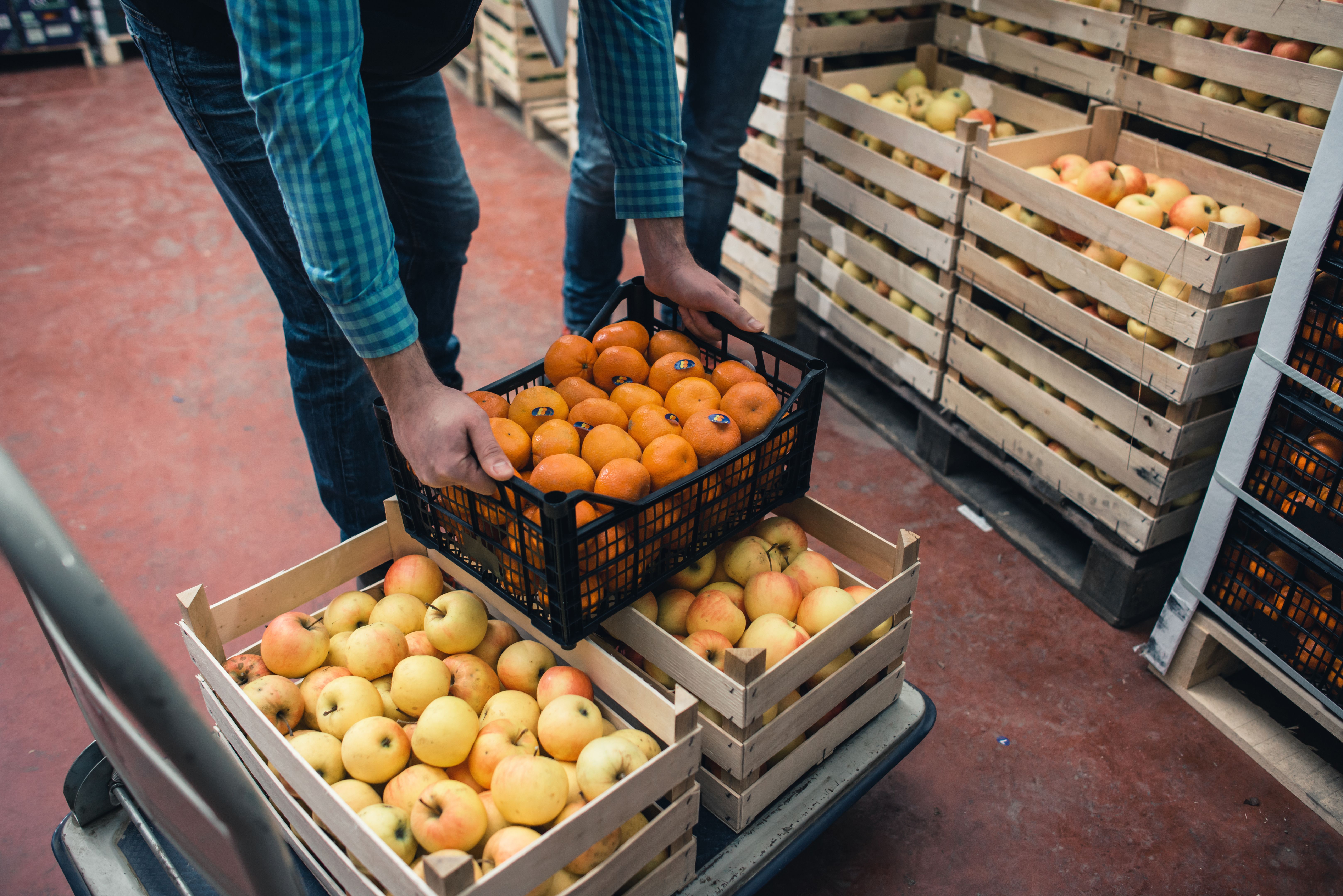
Create a maintenance schedule that includes cleaning your pallets to remove any dirt or debris that might accumulate over time. This not only extends their lifespan but also ensures hygiene if they are used for transporting food or other sensitive goods.
Consider Seasonal Adjustments
Lastly, be proactive by adjusting your pallet management strategies according to the season. During rainy or snowy periods, increase the frequency of inspections and maintenance routines to promptly address any issues that may arise due to moisture exposure.
In hot weather, ensure that pallets are not left out in direct sunlight for extended periods to prevent warping or fading. By tailoring your approach based on seasonal changes, you can better protect your pallets and maintain their efficiency year-round.
Implementing these strategies will help ensure that your pallets withstand harsh weather conditions while minimizing costs associated with damage and replacement.