Seasonal Tips: Preparing Your Pallets for Winter Storage


Understanding the Importance of Winter Storage for Pallets
As winter approaches, it's crucial to prepare your pallets for the colder months. Proper storage not only extends the life of your pallets but also ensures they remain in good condition for future use. Harsh weather can lead to moisture accumulation, mold growth, and structural damage. Taking preventative measures can save time and money in the long run.
Inspecting Your Pallets
Before storing your pallets for winter, conduct a thorough inspection. Look for damaged boards, exposed nails, or any signs of mold. Addressing these issues early can prevent further degradation. If you find any pallets beyond repair, consider recycling or disposing of them responsibly.
Regular inspections help maintain the integrity of your pallets and ensure they are ready for use when needed. Remember to keep a record of your inspections for future reference.
Choosing the Right Storage Location
Selecting an appropriate storage location is vital for protecting your pallets from winter conditions. Ideally, pallets should be stored indoors in a dry, temperature-controlled environment. If indoor storage isn't an option, opt for a covered area that provides adequate protection from rain and snow.
Stacking and Organization
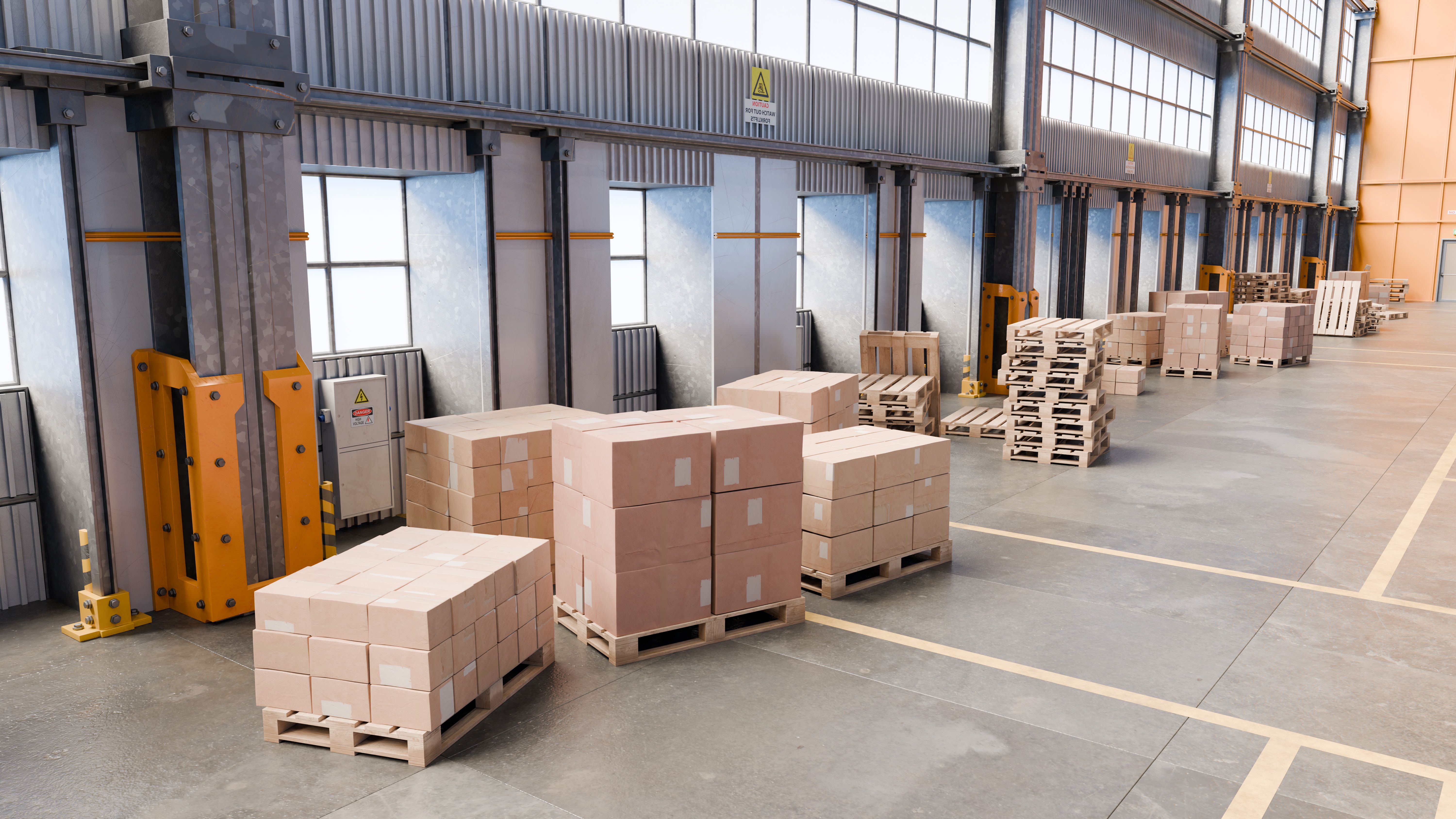
Proper stacking and organization play a significant role in maintaining pallet quality. Stack pallets uniformly to distribute weight evenly and prevent warping. Use a flat, stable surface to avoid any unnecessary strain on the pallets.
Organization also aids in efficient inventory management. Labeling and cataloging your stacks will make it easier to locate and access pallets as needed.
Protecting Against Moisture
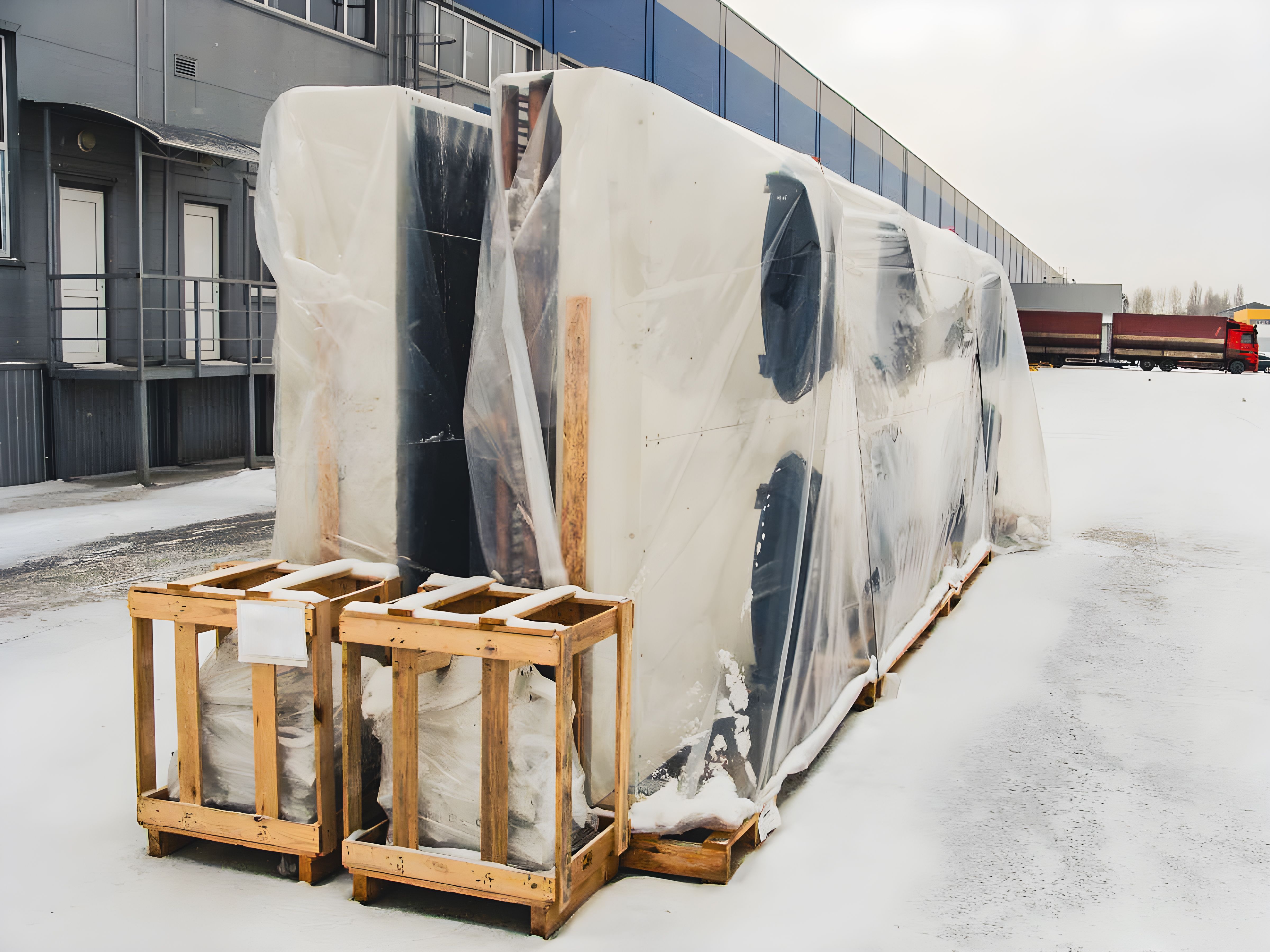
Moisture is a major enemy of pallets during winter. To combat this, consider using tarps or plastic sheeting to cover your stacks. This adds an extra layer of protection against snow and rain.
Ventilation and Airflow
While protecting against moisture, it's also important to ensure proper ventilation. Good airflow reduces the risk of mold and mildew. Avoid sealing your pallets too tightly, as trapped moisture can lead to damage.
Position pallets with small gaps between stacks to allow air circulation. This simple step can greatly enhance the lifespan of your pallets.
Regular Maintenance Checks
Once your pallets are stored, regular maintenance checks are essential. Periodically inspect for any signs of damage or moisture intrusion. Early detection of problems allows for timely interventions, preventing costly repairs or replacements.

By following these seasonal tips, you can ensure your pallets remain in top condition throughout the winter months, ready to meet your business needs when spring arrives.