Seasonal Shipping Tips: How to Protect Your Goods During Harsh Weather


The changing seasons can present a variety of challenges for shipping goods, particularly during harsh weather conditions. Whether it's freezing temperatures, heavy snowfall, or intense heat, ensuring that your products reach their destination safely and intact is paramount. Here are some essential tips to help you protect your goods during extreme weather.
Understand the Impact of Weather on Shipping
Before diving into protective measures, it's crucial to understand how different weather conditions can affect shipping. For instance, cold temperatures can cause certain materials to become brittle, while heat can lead to the expansion of containers or melting of certain products. Awareness of these effects is the first step in mitigating potential damage.
Additionally, harsh weather can cause delays in transit times, leading to extended exposure to adverse conditions. Therefore, timely planning and communication with carriers are vital to ensure that goods are shipped during optimal weather windows whenever possible.
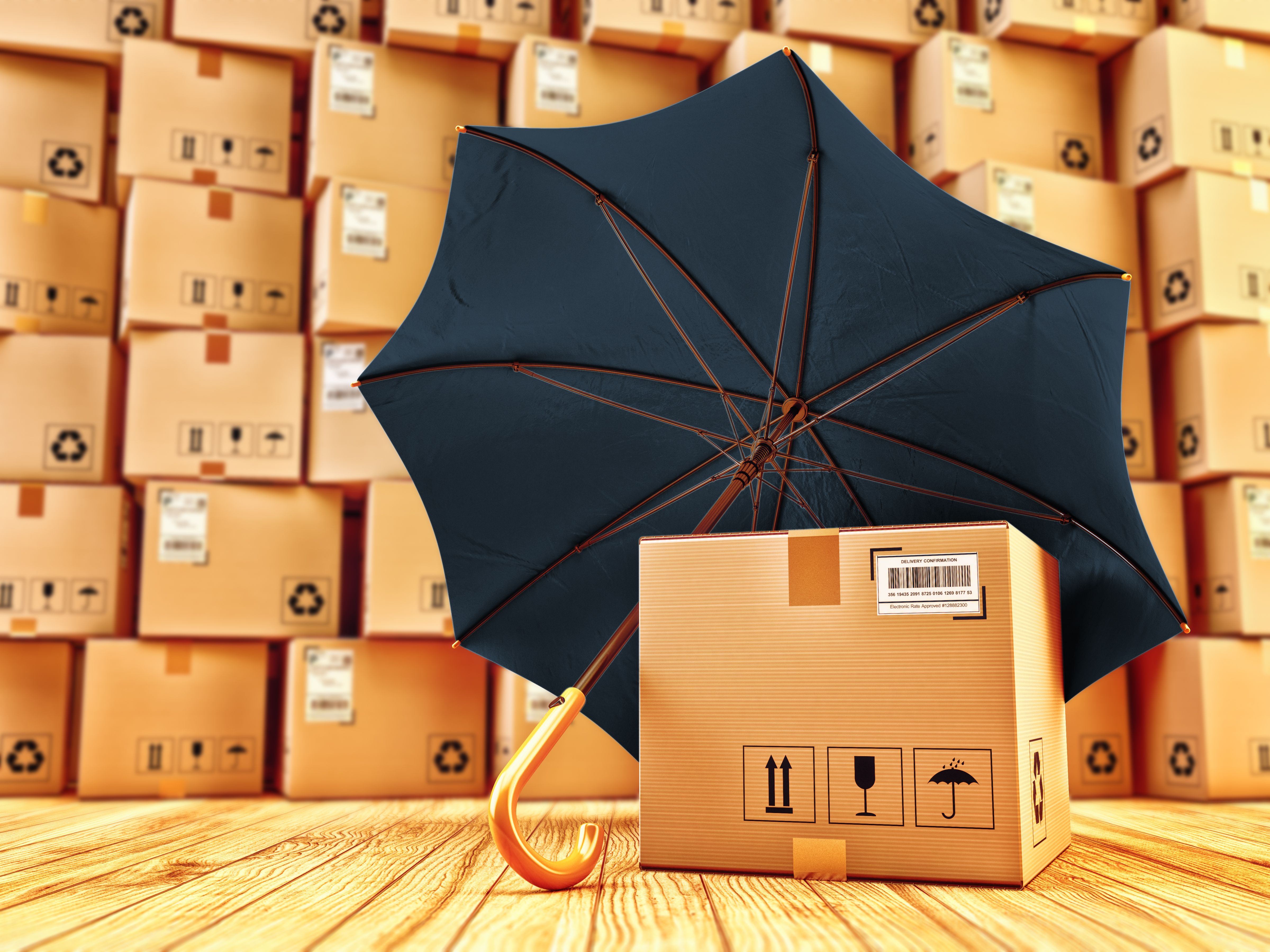
Choose the Right Packaging Materials
Investing in high-quality packaging materials is one of the most effective ways to protect your goods. For cold weather, consider using insulated packaging such as foam or thermal blankets to maintain a stable temperature. On the other hand, moisture-resistant packaging is ideal for wet conditions, preventing water damage to your products.
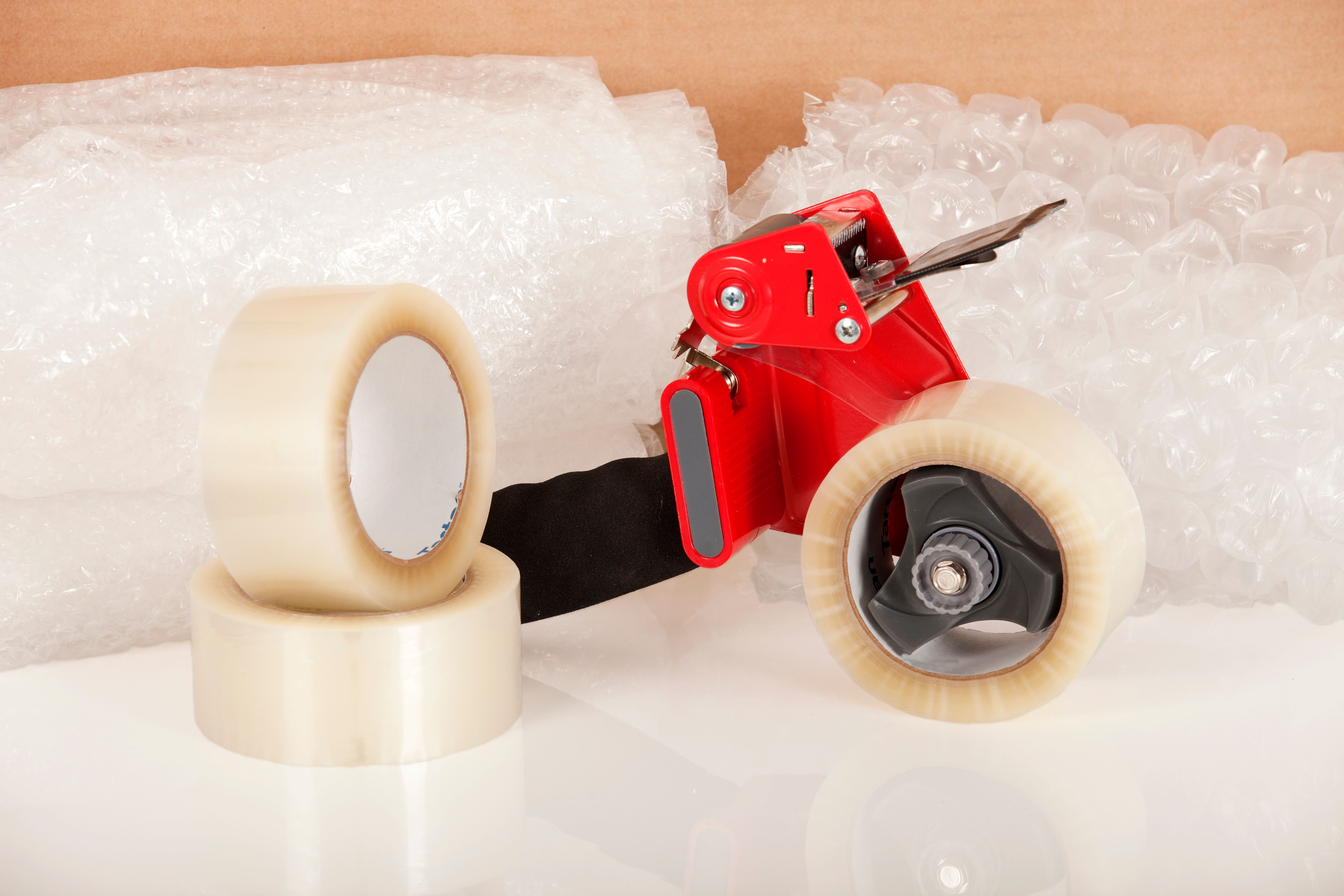
For fragile items, double-boxing and using plenty of cushioning materials like bubble wrap or packing peanuts can help absorb shocks and prevent breakage during transit. It's important to tailor your packaging strategy based on the specific vulnerabilities of your products.
Secure Your Shipments with Weather-Resistant Seals
Weather-resistant seals and closures play a crucial role in safeguarding shipments from moisture and temperature fluctuations. Ensure that boxes are tightly sealed with high-quality packing tape, and consider using weatherproof labels that won't smudge or peel away when exposed to rain or snow.
If shipping by sea, cargo containers should be equipped with proper seals and desiccants to keep out moisture and prevent condensation. This step is especially critical for goods that are sensitive to humidity.
Consider Insurance for Additional Protection
While taking all necessary precautions can significantly reduce the risk of damage, unforeseen circumstances can still occur. Therefore, investing in insurance coverage for your shipments is a prudent measure. Insurance provides peace of mind and financial protection in case of loss or damage due to harsh weather conditions.
- Research insurance options that cover weather-related damages.
- Ensure the policy covers the full value of your goods.
- Understand the terms and conditions to know what is included and excluded.
Stay Informed with Weather Forecasts and Alerts
Keeping abreast of weather forecasts and alerts can help you make informed decisions about when and how to ship your goods. Use reliable sources and tools that provide real-time updates on weather conditions along your shipping routes.

This information can guide you in scheduling shipments to avoid severe conditions or prepare adequately if shipping cannot be delayed. Staying informed ensures you are proactive rather than reactive in protecting your goods.
Partner with Reliable Carriers
Finally, working with experienced and reliable carriers can make a significant difference in how weather challenges are managed. Choose carriers with proven track records in handling shipments under adverse conditions and who offer solutions like temperature-controlled transportation or expedited shipping options.
By partnering with the right carriers, you can leverage their expertise and infrastructure to ensure your goods are handled with care throughout the journey.
In conclusion, protecting your shipments during harsh weather requires thoughtful planning and strategic measures. By understanding the risks, utilizing proper packaging, securing shipments, considering insurance, staying informed, and partnering with reliable carriers, you can effectively safeguard your goods against seasonal challenges.