Seasonal Pallet Management Tips for Middle Tennessee Businesses


Managing pallets effectively is crucial for businesses in Middle Tennessee, especially when dealing with seasonal changes. The fluctuating weather conditions and varying inventory demands require strategic pallet management to ensure smooth operations. In this post, we will explore some valuable tips to help businesses optimize their pallet management throughout the year.
Understanding Seasonal Demand
One of the first steps in effective pallet management is understanding the seasonal demand for your products. Each season brings unique challenges and opportunities, affecting the number of pallets required. By analyzing past trends and forecasting future needs, businesses can better prepare for peak periods and avoid shortages.
During the holiday season, for example, demand for certain products may spike, requiring an increase in pallet usage. Conversely, quieter periods might allow for a reduction in pallet inventory. Planning ahead can help in maintaining an optimal balance.

Weather-Proofing Your Pallet Storage
Middle Tennessee's weather can be unpredictable, with humidity and rain posing challenges for outdoor pallet storage. To prevent damage, consider weather-proofing your pallets. Using pallets made from durable materials or treating wooden pallets with protective coatings can help shield them from moisture.
Investing in proper storage solutions, such as covered areas or indoor storage, can also extend the lifespan of your pallets. This proactive approach not only protects your investment but also ensures that pallets are ready for use when needed.
Regular Pallet Inspections
Routine inspections are vital to maintaining the integrity of your pallet inventory. By regularly checking for damage, such as cracks or splinters, businesses can prevent potential disruptions in the supply chain. Damaged pallets should be repaired or replaced promptly to maintain safety and efficiency.
Implementing a systematic inspection process can help identify issues early, allowing for timely interventions. This not only enhances operational efficiency but also minimizes the risk of accidents.
Optimizing Storage Space
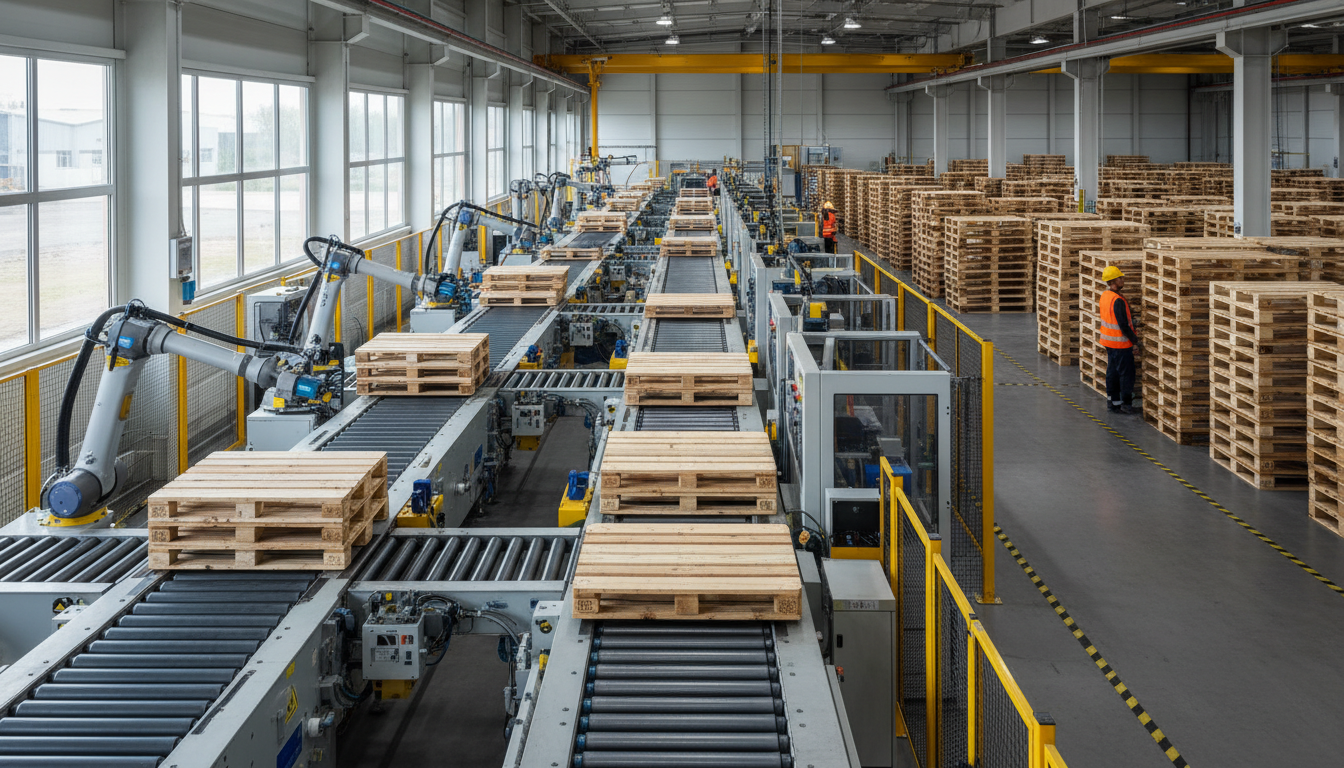
Efficient use of storage space is essential, especially during peak seasons. Consider reorganizing your warehouse layout to maximize space and improve accessibility. Using stackable pallets can also help make the most of vertical space, freeing up room for additional inventory.
Businesses might also explore innovative storage solutions, such as pallet racking systems, to enhance organization and space utilization. This strategic approach can lead to smoother operations and cost savings.
Sustainability Practices
Embracing sustainability in pallet management not only benefits the environment but can also reduce costs. Recycling and reusing pallets are effective ways to minimize waste. Many companies in Middle Tennessee are adopting eco-friendly practices, such as sourcing pallets from sustainable materials or participating in pallet exchange programs.
By prioritizing sustainability, businesses can enhance their brand reputation and contribute to a greener future, all while optimizing their pallet management strategies.

Leveraging Technology
Technology can play a significant role in optimizing pallet management. Implementing inventory management software can help track pallet usage and availability in real-time. This data-driven approach allows businesses to make informed decisions and streamline operations.
Moreover, technology can assist in automating routine tasks, such as ordering new pallets or scheduling maintenance, freeing up valuable time for other critical business activities.