Navigating the Foam Pallet Options: What You Need to Know


In the world of logistics and shipping, foam pallets are becoming an increasingly popular choice due to their lightweight, durable, and versatile nature. Whether you're a seasoned professional or new to the field, understanding the various options available can help you make informed decisions that enhance your operational efficiency.
Why Choose Foam Pallets?
Foam pallets offer several advantages over traditional wood or plastic pallets. They are significantly lighter, which can reduce shipping costs and make handling easier. Additionally, foam pallets are resistant to moisture, chemicals, and pests, ensuring that your products remain safe during transit.
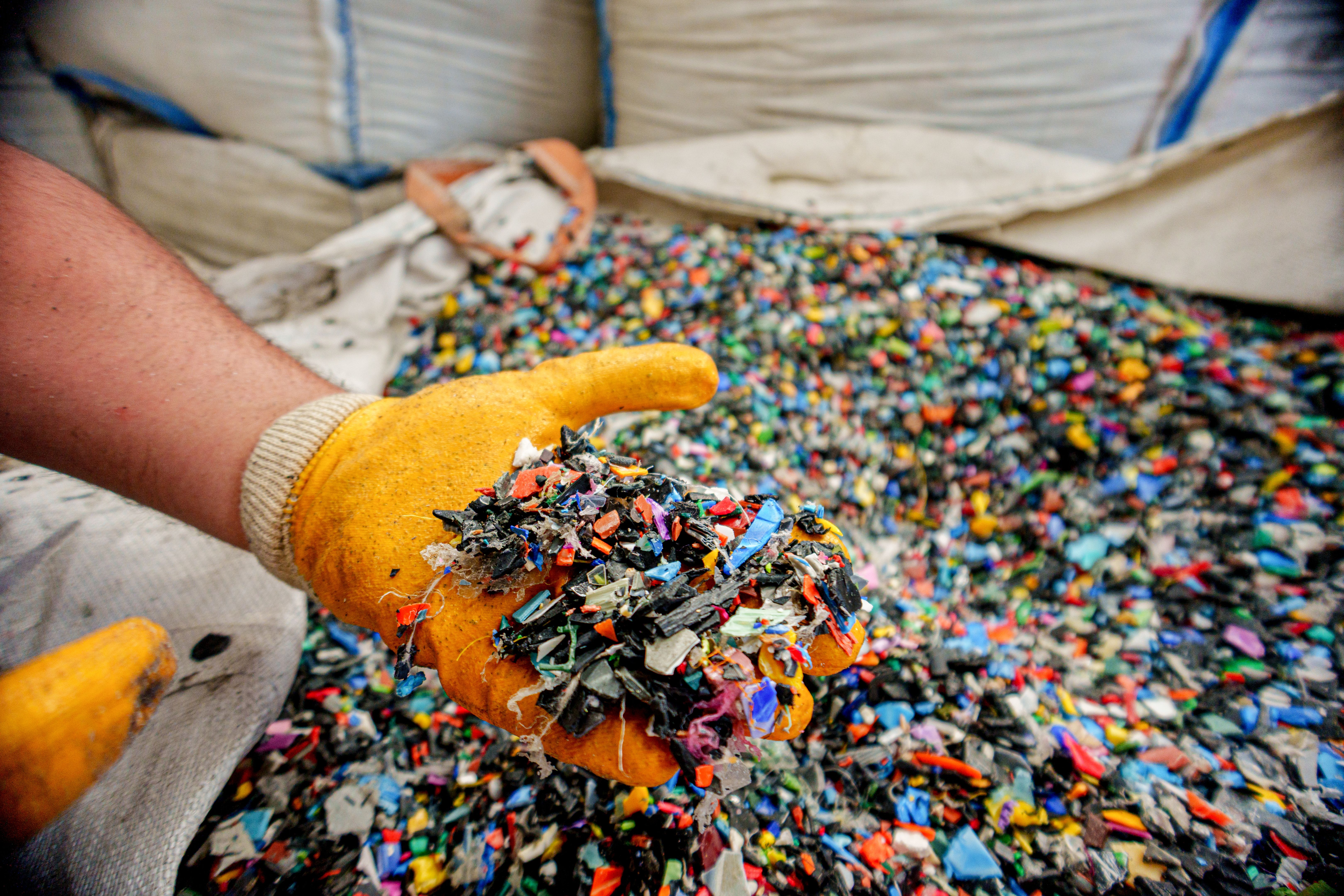
Another key benefit of foam pallets is their sustainability. Many foam pallets are made from recycled materials, and they can often be recycled again at the end of their lifespan. This makes them an environmentally friendly option for businesses looking to reduce their carbon footprint.
Types of Foam Pallets
There are several types of foam pallets to consider, each with its own set of features and benefits. The most common types include:
- Expanded Polystyrene (EPS) Pallets: Lightweight and cost-effective, ideal for lightweight shipments.
- Polyurethane Foam Pallets: Known for their durability and strength, suitable for heavier loads.
- Polyethylene Foam Pallets: Versatile and resistant to chemicals and moisture, perfect for various applications.
Choosing the Right Foam Pallet
When selecting the right foam pallet for your needs, it's important to consider the weight and type of products you will be shipping. Lighter items may do well with EPS pallets, while heavier goods might require the durability of polyurethane foam.
Additionally, think about the environmental conditions your pallets will face. If they're likely to encounter moisture or chemicals, polyethylene foam pallets might be your best option. Taking these factors into account will ensure that your choice aligns with your operational requirements.
Cost Considerations
While foam pallets can be more expensive upfront than traditional wood pallets, they often offer long-term cost savings. Their durability and reusability mean fewer replacements, and their lightweight nature can lead to reduced shipping costs.
Furthermore, their resistance to damage and infestation can save money on product losses and replacements. When evaluating costs, consider both the initial investment and the potential savings over time.

Maintenance and Care
Foam pallets require minimal maintenance, but proper care can extend their lifespan. Regular cleaning to remove dust and debris will help maintain their condition. Inspect pallets for signs of damage, and replace any that are compromised to ensure safety and performance.
Storing foam pallets in a dry, sheltered area can also protect them from the elements and prolong their usability. By taking these simple steps, you can maximize the value of your investment in foam pallets.
Conclusion
Foam pallets offer a versatile and efficient solution for many shipping and storage needs. By understanding the different types and their applications, you can choose the best option for your business. Consider the benefits, costs, and maintenance requirements to make an informed decision that supports your operational goals.