How to Prepare Your Warehouse for Seasonal Changes


Understanding Seasonal Changes
Warehouses are dynamic environments that must adapt to the changing demands of each season. Whether it's increased inventory for holiday sales or accommodating temperature-sensitive goods during summer, preparing your warehouse effectively is crucial. Understanding these seasonal shifts allows you to plan and execute strategies that optimize operations and maintain efficiency.
Assessing Inventory Needs
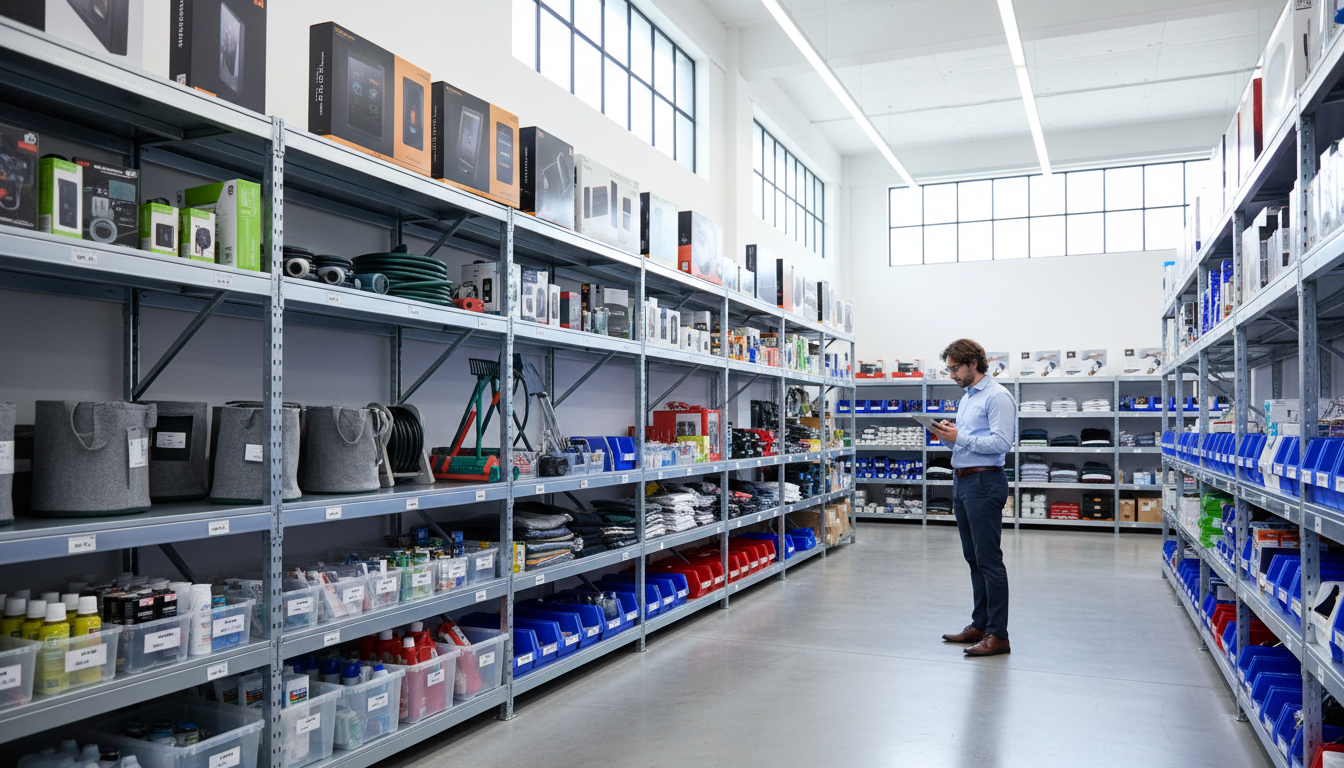
One of the first steps in preparing for seasonal changes is assessing your inventory needs. Analyze historical data to identify trends and predict demand. This will help you determine which products require more storage space and which might need to be reduced. By understanding these patterns, you can allocate resources more effectively and avoid overstocking or stockouts.
Optimizing Warehouse Layout
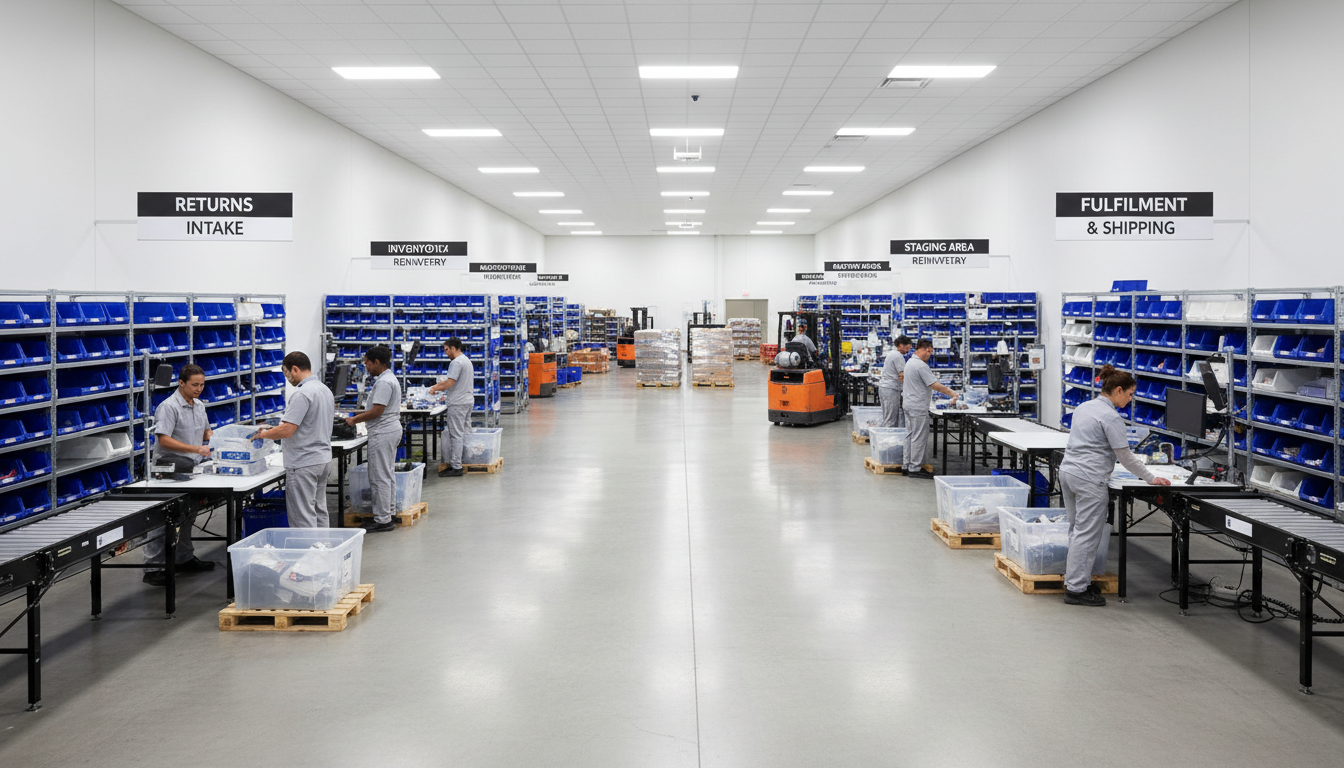
A flexible warehouse layout is essential for adapting to seasonal changes. Consider reorganizing your storage areas to accommodate high-demand products. This might involve moving frequently picked items to easily accessible locations or creating temporary storage solutions. An optimized layout can significantly enhance the speed and efficiency of your operations.
Enhancing Climate Control
Seasonal fluctuations in temperature can affect the condition of your inventory. Implementing climate control measures, such as adjusting heating, ventilation, and air conditioning systems, ensures that products remain in optimal condition. Regular maintenance of these systems is also vital to avoid unexpected breakdowns that could impact your operations.
Staff Training and Scheduling
As demand changes with the seasons, it's important to ensure your staff is well-prepared. Provide training sessions that focus on specific seasonal needs, such as handling increased shipments or managing returns. Additionally, consider adjusting staff schedules to accommodate peak times, ensuring that you have enough personnel to maintain efficiency.

Implementing Technology Solutions
Technology can play a significant role in preparing your warehouse for seasonal changes. Invest in warehouse management systems (WMS) that offer real-time inventory tracking and analytics. These tools can provide valuable insights into inventory levels and help streamline operations, making it easier to adapt to changing demands.
Ensuring Safety Protocols
With increased activity in the warehouse during peak seasons, safety should remain a top priority. Review and reinforce safety protocols, ensuring that all staff are aware of emergency procedures. Conduct regular safety drills and equipment checks to minimize risks and create a safer work environment for everyone.
Evaluating and Adjusting Strategies
After implementing these strategies, it's important to evaluate their effectiveness. Collect feedback from staff and analyze operational data to identify areas for improvement. Adjust your strategies as needed to optimize performance and ensure a seamless transition between seasons.

By taking these steps, you can effectively prepare your warehouse for seasonal changes, ensuring that your operations remain efficient and responsive to market demands. With careful planning and execution, you'll be well-equipped to handle the challenges and opportunities each season brings.