How to Maximize Warehouse Efficiency with Returnable Packaging


Understanding Returnable Packaging
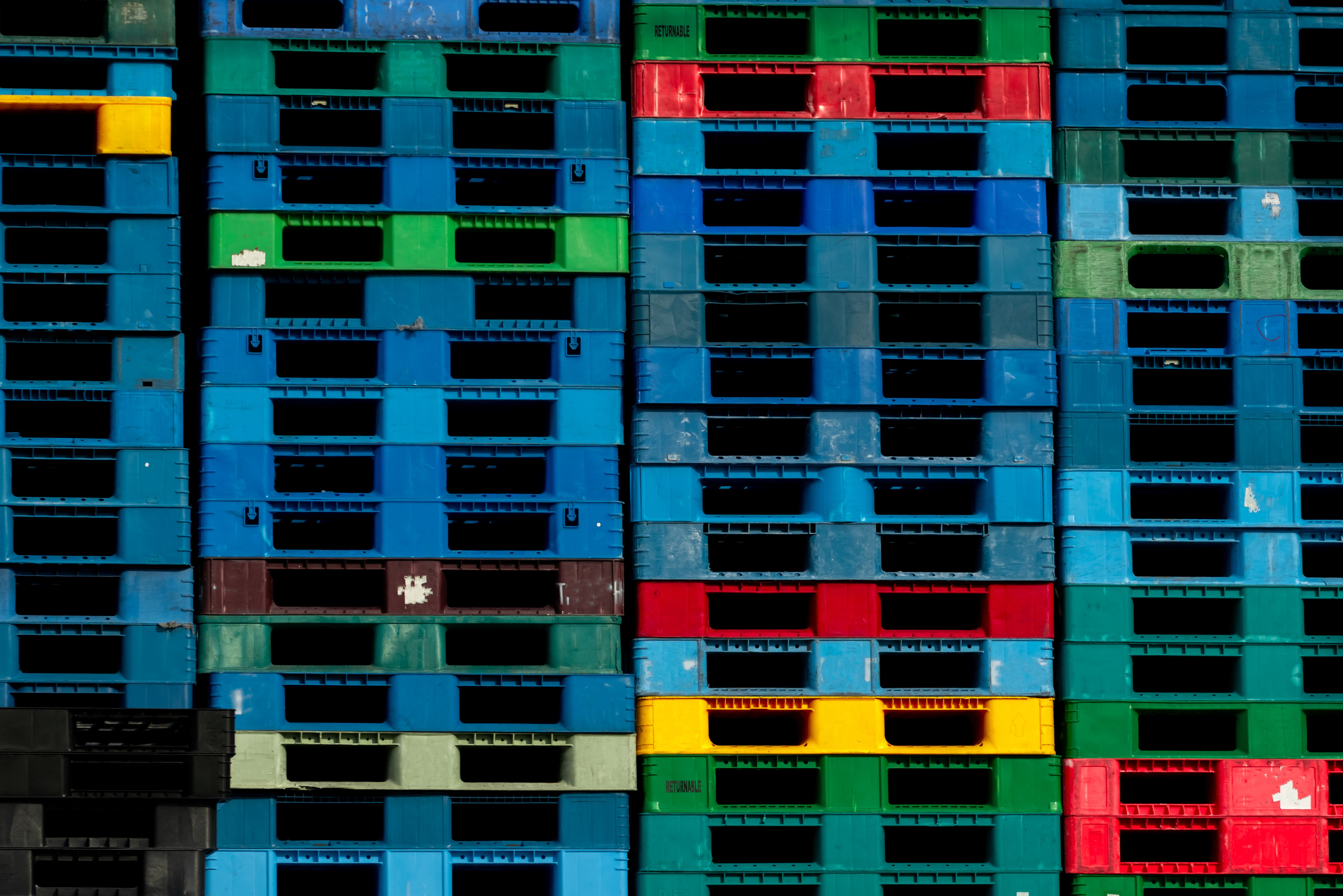
Returnable packaging refers to durable containers such as pallets, bins, and racks that are designed for multiple uses. Unlike single-use packaging, these containers can be returned and reused, making them a sustainable choice for businesses. Adopting returnable packaging can significantly impact warehouse efficiency by reducing waste and lowering costs over time.
One of the primary benefits of returnable packaging is its ability to streamline logistics. By using standardized containers, businesses can optimize space utilization and improve the speed of handling and transportation. This leads to a more organized and efficient warehouse operation.
Enhancing Workflow Efficiency
Returnable packaging can enhance workflow efficiency by minimizing the time spent on handling and sorting. With consistent packaging sizes and designs, workers can quickly identify and move items. This uniformity reduces errors and accelerates processes, allowing for quicker turnaround times.
Moreover, returnable packaging can be tailored to specific product needs, ensuring better protection and reducing the chances of damage. This means less time spent on quality checks and returns, further boosting operational efficiency.

Improving Inventory Management
Implementing returnable packaging solutions can drastically improve inventory management. With standardized containers, it becomes easier to track and monitor stock levels. This visibility helps in maintaining optimal inventory levels, reducing instances of overstocking or stockouts.
Additionally, returnable packaging often integrates with modern inventory management systems, providing real-time data and insights. This integration allows for better decision-making and planning, ensuring that the warehouse operates smoothly and efficiently.

Cost Savings and Environmental Impact
While the initial investment in returnable packaging may be higher, the long-term cost savings are substantial. Businesses can significantly reduce their expenditure on single-use packaging, leading to a lower overall cost of operations. Additionally, the durability of returnable packaging means fewer replacements and repairs.
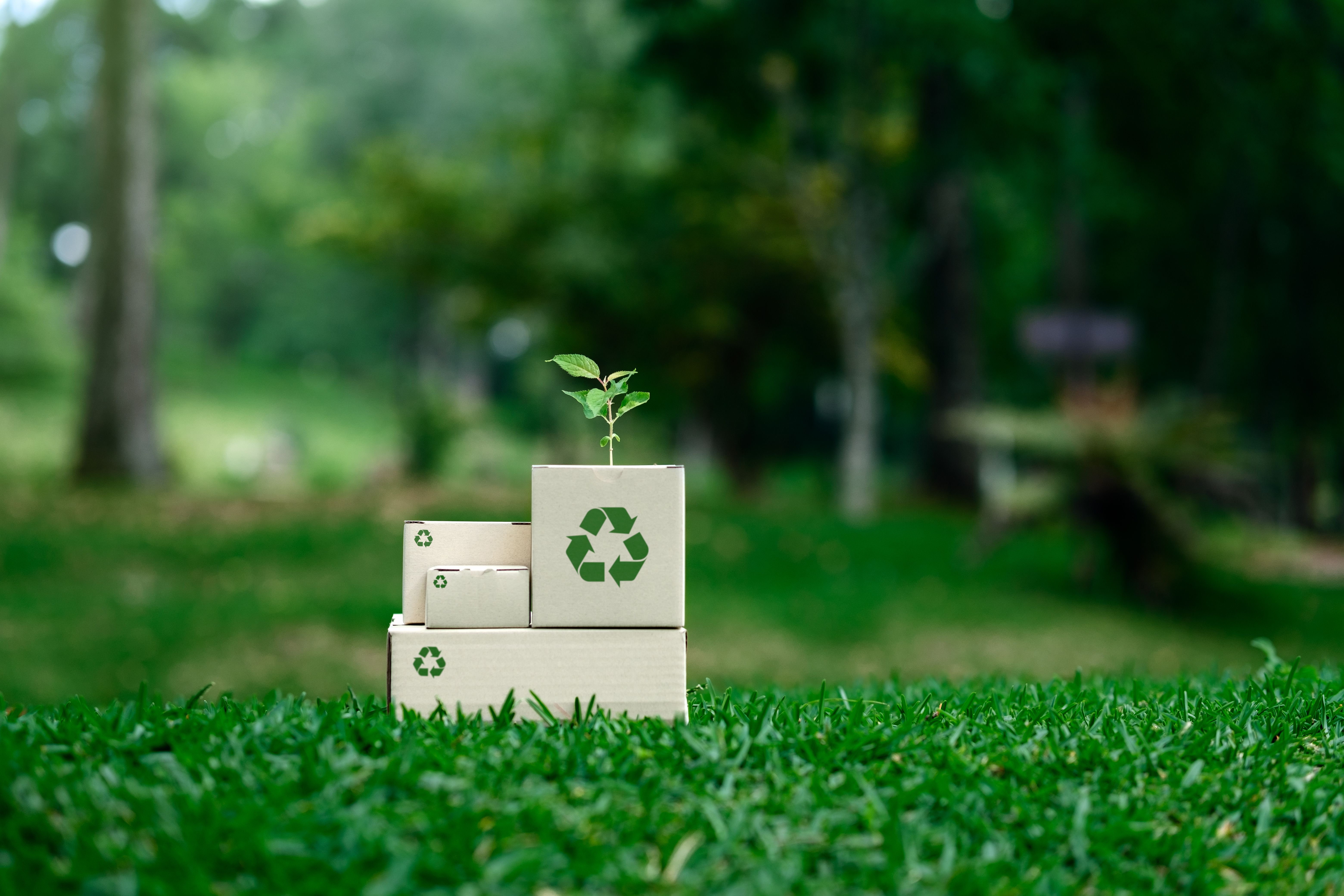
From an environmental perspective, returnable packaging is a more sustainable choice. By reducing waste and promoting reuse, businesses can decrease their carbon footprint. This not only benefits the environment but also enhances the company's reputation as an eco-friendly organization.
Implementing Returnable Packaging Solutions
For successful implementation, businesses should consider their specific needs and choose the right type of returnable packaging. Factors such as product type, transportation methods, and storage requirements should be evaluated to select the most suitable solution.
Training staff on the use and management of returnable packaging is also crucial. Proper training ensures that employees handle the containers correctly, maximizing their lifespan and benefits.
Conclusion
Maximizing warehouse efficiency with returnable packaging is a strategic move that offers numerous benefits. From improving workflow and inventory management to achieving cost savings and reducing environmental impact, returnable packaging is a valuable asset for any business looking to enhance its operations. By adopting this approach, businesses can achieve a more efficient, sustainable, and cost-effective warehouse operation.