How to Maximize Efficiency with Crates in Your Supply Chain


Understanding the Role of Crates in Supply Chains
In the fast-paced world of logistics and supply chain management, optimizing efficiency is crucial for maintaining a competitive edge. One often-overlooked tool in this process is the humble crate. Crates serve as versatile containers that can significantly enhance the movement, storage, and protection of goods. By understanding their role and implementing strategic practices, businesses can streamline operations and reduce costs.
Crates come in various materials, such as wood, plastic, and metal, each suited to different types of goods and environmental conditions. Selecting the right type of crate based on your specific needs is fundamental to maximizing efficiency. For instance, plastic crates are ideal for food products due to their durability and ease of cleaning.
Selecting the Right Crate for Your Needs
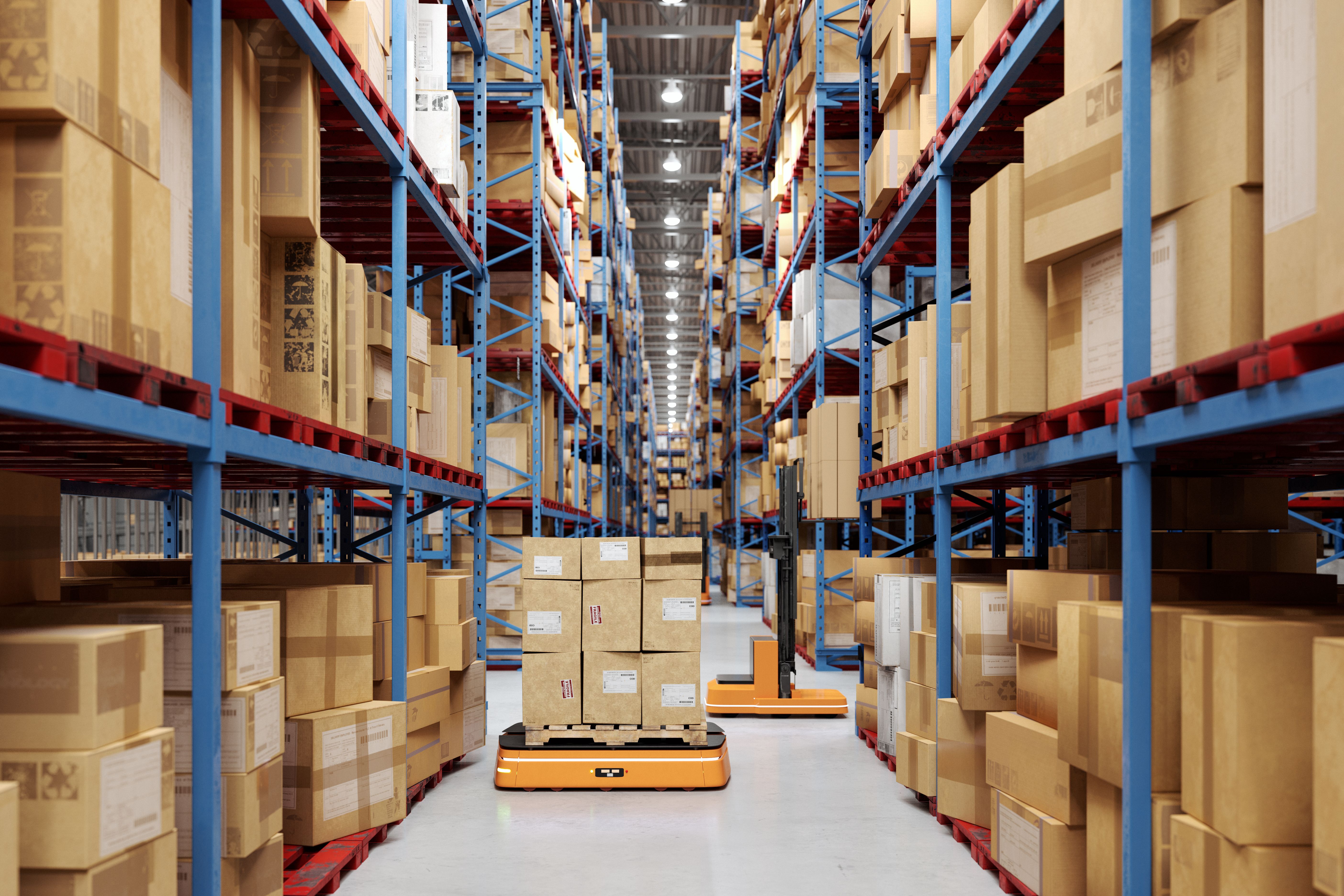
Choosing the appropriate crate involves considering factors like the nature of the goods, weight, and storage conditions. Wooden crates are excellent for heavy machinery due to their robust construction. On the other hand, collapsible plastic crates can save space when not in use and are perfect for lighter items.
Another important consideration is the size of the crates. Using standardized sizes can facilitate stacking, handling, and transportation, leading to smoother operations throughout the supply chain. Additionally, investing in crates with built-in tracking technology can further enhance visibility and inventory management.
Implementing Innovative Crate Management Practices
To fully leverage crates in your supply chain, innovative management practices are essential. Implementing a crate pooling system can be an effective strategy. This involves sharing crates among various partners within the supply chain to reduce costs and improve sustainability.
Tracking systems using RFID or barcodes can monitor crate movements in real-time, providing valuable data for optimizing routes and reducing lead times. This technology also minimizes losses by ensuring every crate is accounted for at each stage of the supply chain.
Maintaining Crate Quality and Longevity
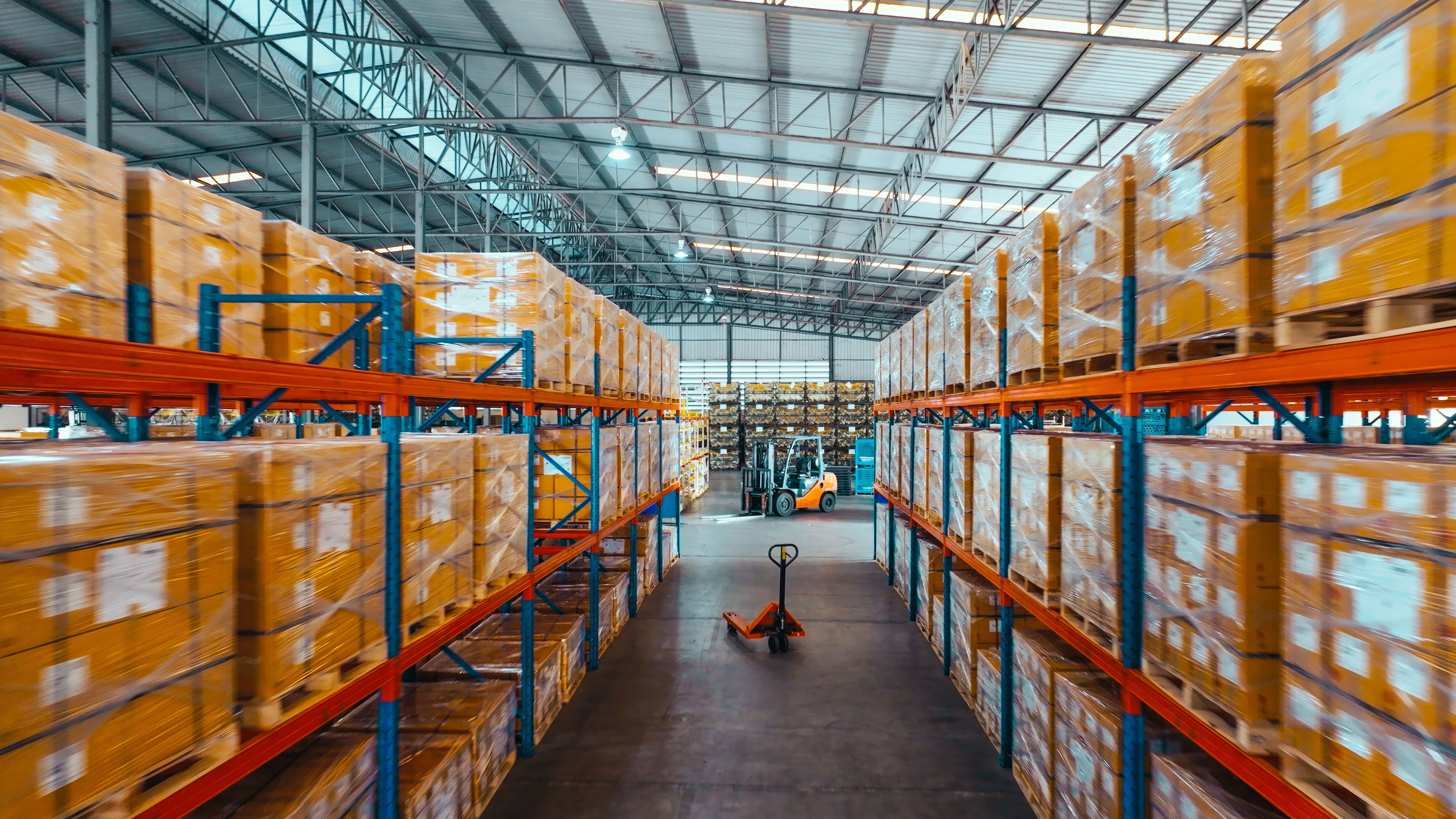
Regular maintenance of crates is vital to ensure they remain in good condition and continue to function effectively. Inspections should be conducted periodically to check for damage or wear and tear. Implementing a system for cleaning and repairing crates can extend their lifespan and maintain hygiene standards.
Training employees on proper handling techniques can also prevent unnecessary damage. Educating staff on the importance of careful loading and unloading not only preserves crate integrity but also ensures the safety of goods transported within them.
Enhancing Sustainability through Crate Management
Sustainability is increasingly important in modern supply chains. By choosing eco-friendly materials and implementing recycling programs for old or damaged crates, businesses can reduce their environmental impact. Initiatives like these not only contribute to sustainability goals but also enhance brand reputation.

Moreover, optimizing crate usage by minimizing empty returns and maximizing load capacity can lead to reduced carbon emissions, aligning business practices with global sustainability efforts.
Conclusion
Maximizing efficiency with crates in your supply chain requires a strategic approach that considers selection, management practices, maintenance, and sustainability. By focusing on these areas, businesses can achieve operational excellence, reduce costs, and contribute positively to environmental initiatives.