How to Choose the Right Returnables for Your Business


In the modern business landscape, sustainability and efficiency are more important than ever. One way companies are addressing these needs is through the use of returnable packaging. But with so many options available, how can you choose the right returnables for your business?
Understanding Returnable Packaging
Returnable packaging refers to durable containers and materials designed for multiple uses. Unlike single-use packaging, returnables can be reused several times before being recycled or disposed of, making them an eco-friendly choice. This type of packaging is particularly popular in industries like automotive, electronics, and food and beverage.
Benefits of Using Returnables
There are several advantages to using returnable packaging. Firstly, it can significantly reduce waste and lower your company's carbon footprint. Additionally, while the initial investment may be higher than traditional packaging, the long-term savings from reduced packaging costs and waste disposal can be substantial.
Returnables also offer better protection for products, reducing the risk of damage during transportation. This can lead to fewer returns and increased customer satisfaction.
Identifying Your Business Needs
Before selecting returnable packaging, it's crucial to assess your specific business requirements. Consider the types of products you ship, the distances they travel, and the conditions they encounter. Are your products fragile or sensitive to temperature changes? These factors will influence the type of returnable packaging you need.

Types of Returnable Packaging
There are several types of returnable packaging, including:
- Plastic Totes: Durable and lightweight, ideal for smaller items.
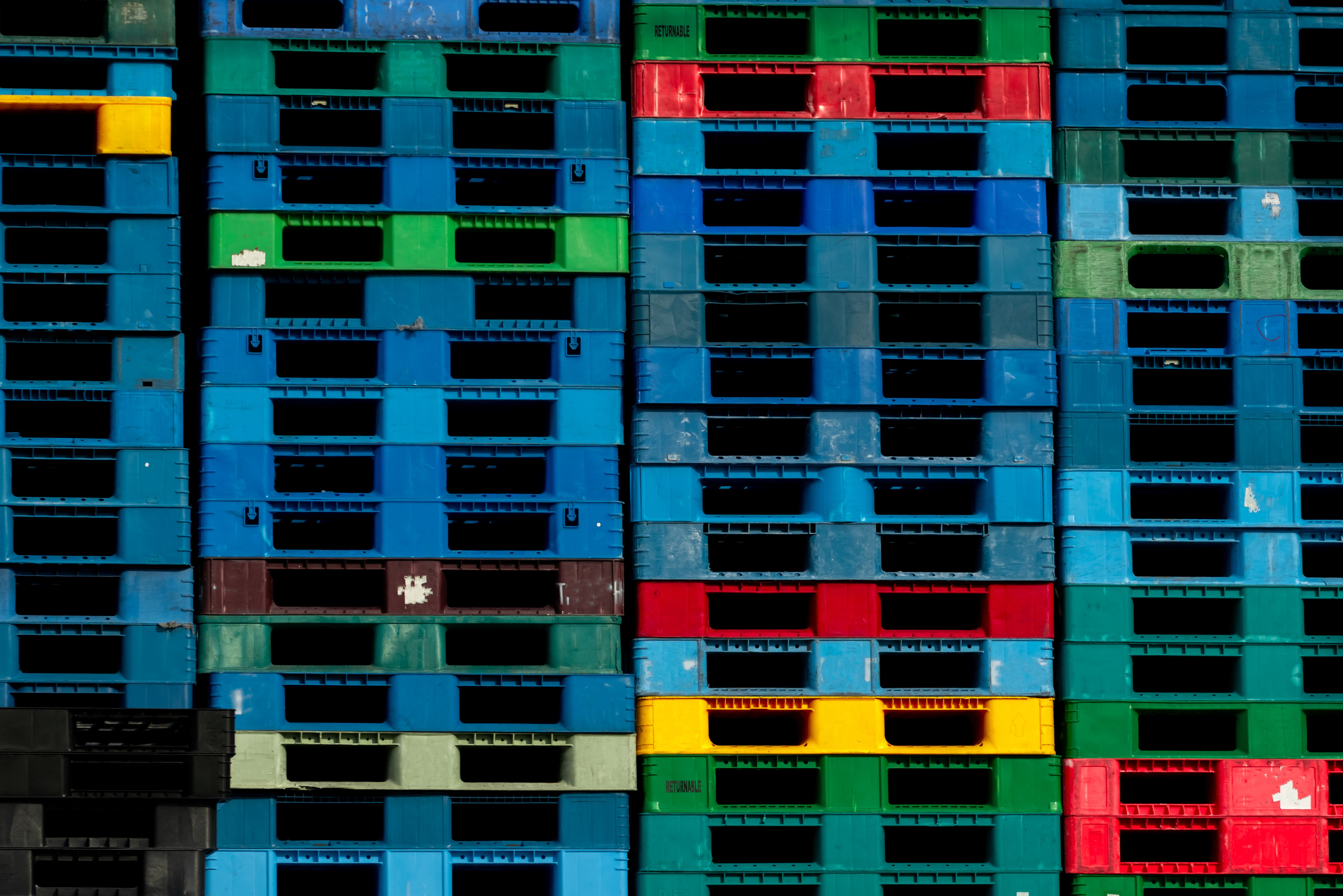
- Pallets: Typically made of wood, plastic, or metal, suitable for heavier goods.
- Crates and Containers: Offer robust protection and are often stackable.
Each type has its own advantages, so choose based on your product specifications and logistical needs.
Evaluating Cost vs. Benefit
While returnable packaging may require a higher upfront cost, it's essential to weigh this against the long-term benefits. Calculate potential savings from reduced packaging purchases, waste disposal, and product damage. Consider running a pilot program to test the effectiveness of returnables in your supply chain before fully committing.

Environmental Impact
Using returnable packaging can significantly reduce your environmental impact. By minimizing waste and encouraging recycling, your business can not only comply with environmental regulations but also enhance its corporate social responsibility profile. This can improve your brand image and appeal to eco-conscious consumers.
Partnering with the Right Supplier
Finally, choosing the right supplier is key. Look for suppliers with a proven track record of providing high-quality, durable returnable packaging. Ensure they offer customization options to fit your specific needs and provide support throughout the transition process.
By carefully considering these factors, you can select the right returnables for your business, leading to increased efficiency, cost savings, and a positive environmental impact.