Five Myths About Wooden Pallets Debunked


Understanding the Truth About Wooden Pallets
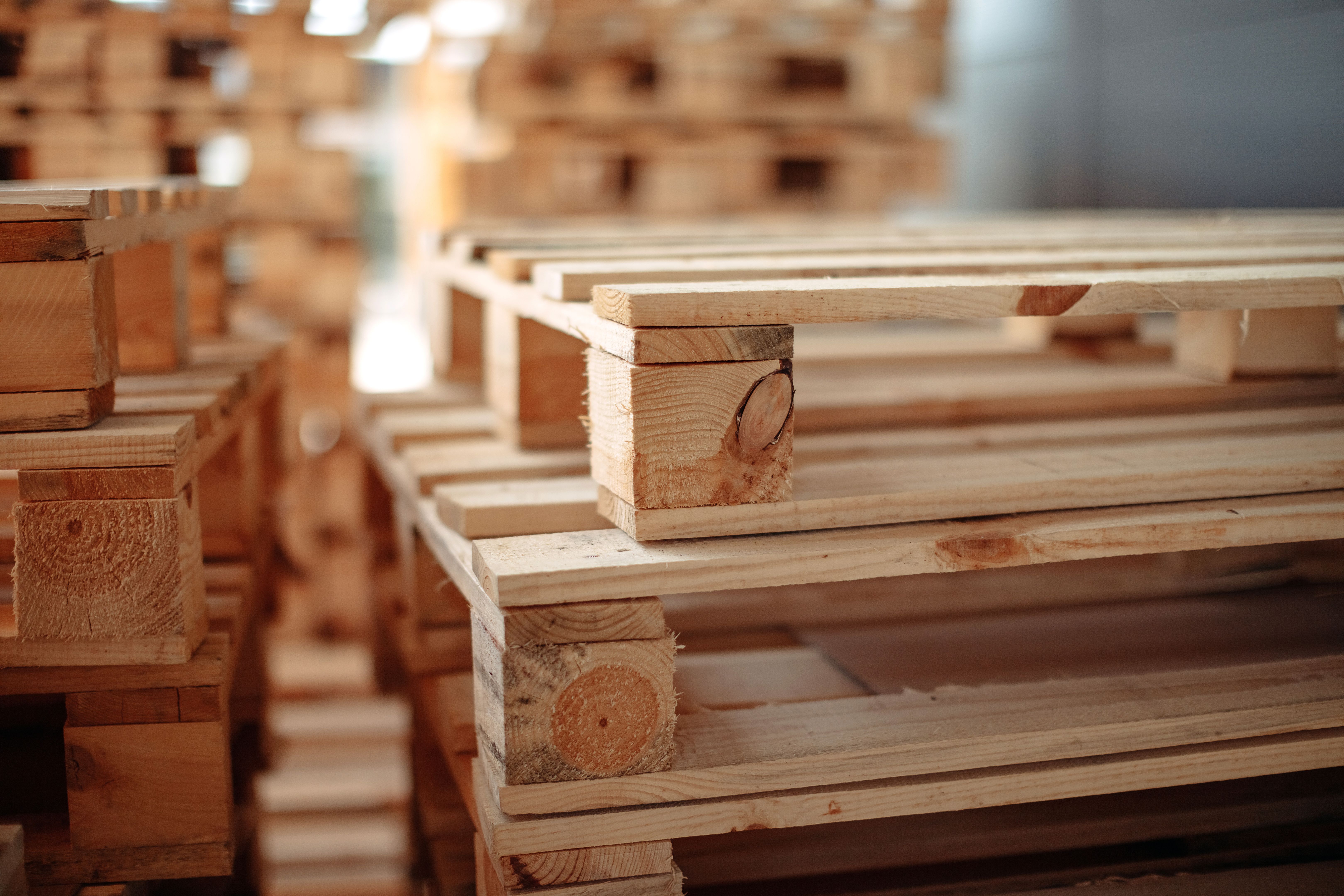
Wooden pallets are an essential component in shipping and logistics, but they often get a bad rap due to several misconceptions. These myths can lead to misunderstandings about their functionality and environmental impact. Let's set the record straight by debunking five common myths about wooden pallets.
Myth 1: Wooden Pallets Are Not Environmentally Friendly
One of the most persistent myths is that wooden pallets are harmful to the environment. In reality, wooden pallets are highly sustainable. They are made from renewable resources and can be recycled or repurposed multiple times. When they reach the end of their life cycle, they can be ground down into wood chips for mulch or used as biomass fuel, reducing waste significantly.
Myth 2: Wooden Pallets Are Weak and Fragile
Another misconception is that wooden pallets are not durable. In truth, they are designed to withstand heavy loads and rough handling. They are constructed from strong hardwood or softwood species that provide structural integrity. Moreover, if a wooden pallet does suffer damage, it can often be repaired with simple tools and minimal effort.

Myth 3: Plastic Pallets Are Always Better Than Wooden Ones
While plastic pallets have their own advantages, they are not inherently better than wooden pallets in every scenario. Wooden pallets offer cost-effectiveness, biodegradability, and ease of repair, making them an excellent choice for many industries. The decision between wood and plastic should be based on specific needs, including budget and environmental considerations.
The Versatility of Wooden Pallets
Wooden pallets are incredibly versatile, serving purposes beyond transportation. Many people repurpose them for creative projects such as furniture, garden planters, and decorative pieces. This adaptability further dispels the myth that wooden pallets have limited uses.

Myth 4: Wooden Pallets Are Prone to Pest Infestations
It's a common belief that wooden pallets attract pests, which could lead to contamination. However, most wooden pallets used in international shipping undergo a treatment process to eliminate pests. The International Standards for Phytosanitary Measures (ISPM 15) requires heat treatment or fumigation to ensure they are free from pest infestations.
Myth 5: Wooden Pallets Are Expensive to Maintain
Some believe that maintaining wooden pallets is costly due to frequent repairs. In contrast, maintenance is usually straightforward and inexpensive. Simple repairs can extend a pallet's life significantly, offering considerable savings over purchasing new pallets. Additionally, their initial low cost makes them an economically viable option for many businesses.

Conclusion: Embracing the Benefits of Wooden Pallets
By debunking these myths, it becomes clear that wooden pallets offer numerous benefits, from sustainability to cost efficiency. Understanding these facts allows businesses to make informed decisions regarding their shipping and logistics needs and encourages the continued use of this reliable resource.