Expert Tips: Maintaining Your Pallets for Longevity and Performance


Understanding the Importance of Pallet Maintenance
Pallets are a critical component in the logistics and supply chain industry. They facilitate easy handling and storage of goods, making them indispensable in warehouses and during transportation. However, like any other equipment, pallets require proper maintenance to ensure their longevity and optimal performance.
Regular Inspection and Cleaning
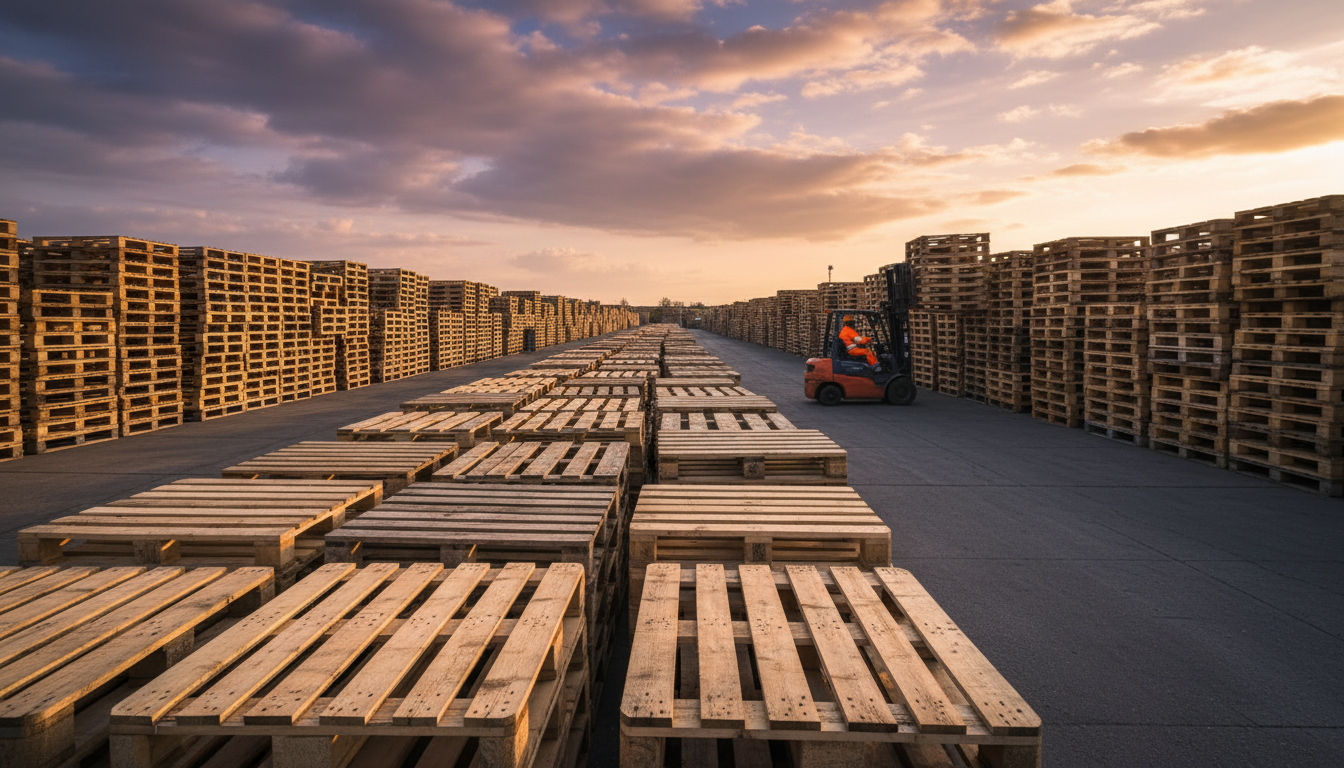
Regular inspection is the cornerstone of pallet maintenance. By routinely checking for damages such as cracks, splinters, or loose nails, you can prevent minor issues from escalating into significant problems. It's essential to address any damage immediately to avoid compromising the pallet's structural integrity.
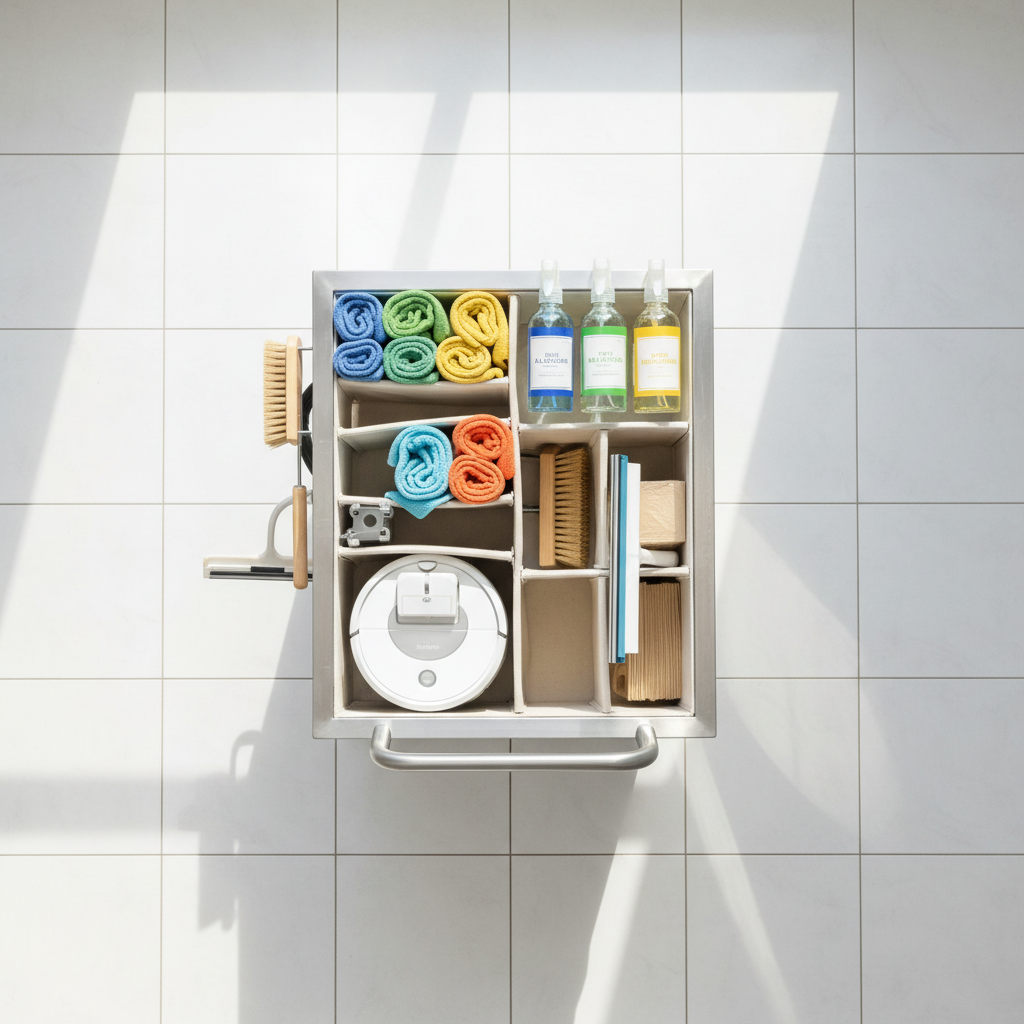
Cleaning your pallets is equally important. Accumulated dirt and debris can lead to mold growth, which weakens wooden pallets and poses a risk to stored goods. Use a pressure washer for a thorough clean, and ensure that the pallets are completely dry before reuse.
Proper Handling Techniques
Improper handling is one of the primary causes of pallet damage. Training your staff on the correct methods of moving and stacking pallets can significantly extend their lifespan. Avoid dropping pallets or dragging them across rough surfaces to prevent unnecessary wear and tear.
When stacking pallets, ensure that they are aligned correctly to maintain balance. Overloading pallets can lead to breakage, so always adhere to the recommended weight limits.
Storage Conditions
Where and how you store your pallets can greatly impact their durability. Store pallets in a dry, well-ventilated area to prevent moisture buildup, which can cause wooden pallets to warp or rot. For plastic pallets, avoid direct sunlight to prevent material degradation.
Implementing a first-in, first-out (FIFO) system can also help maintain pallet quality by ensuring that older pallets are used before they become too worn out.
Repair and Replacement
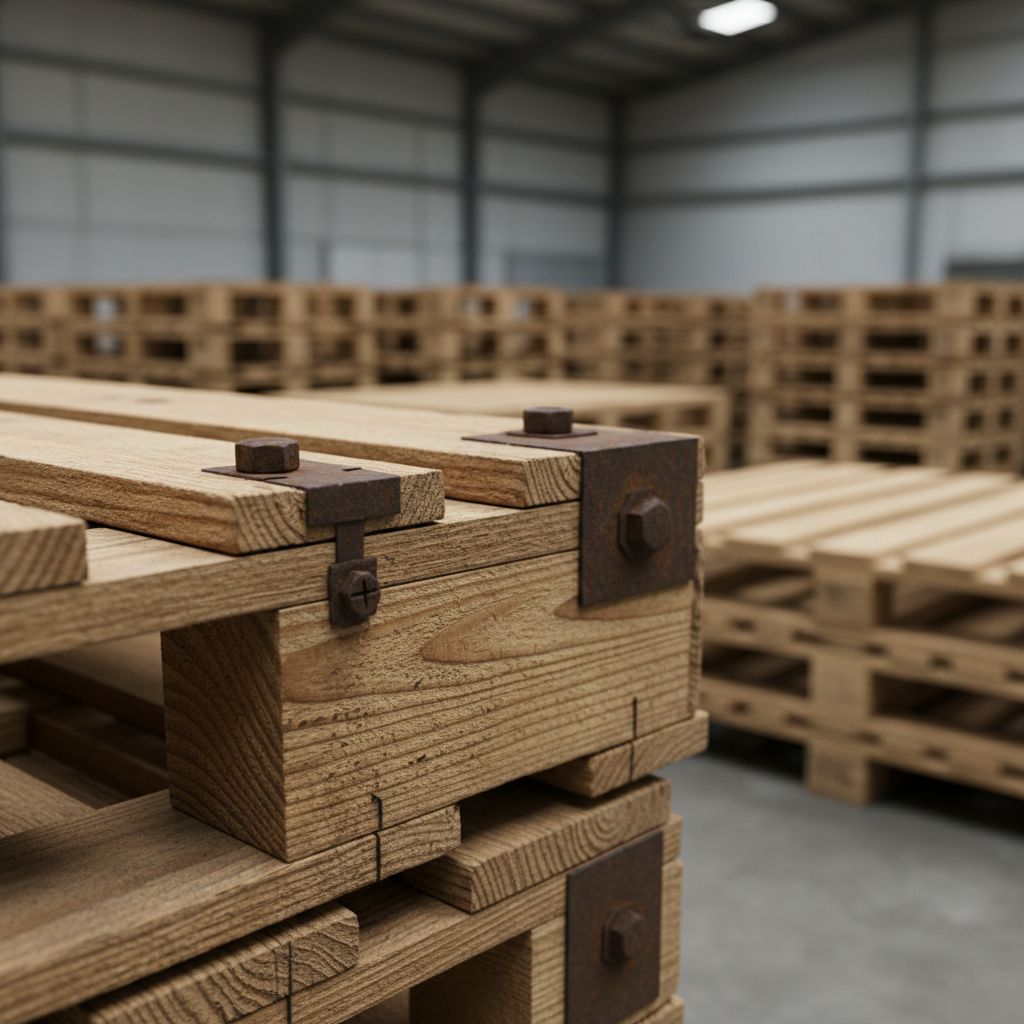
Despite best efforts, some pallets may become damaged beyond repair. Having a repair and replacement plan in place is crucial. Minor repairs, such as replacing broken boards or reinforcing weak spots, can extend a pallet's life. However, if a pallet is severely damaged, it's best to replace it to ensure safety and efficiency.
Consider partnering with a pallet recycling program for disposing of unusable pallets sustainably. Recycling not only helps the environment but can also be cost-effective in the long run.
Conclusion
Maintaining your pallets effectively requires a combination of regular inspections, proper handling, and mindful storage. By following these expert tips, you can ensure that your pallets remain in excellent condition, enhancing their performance and extending their service life. Investing time and resources into pallet maintenance is a small price to pay for improved operational efficiency and safety.