DIY Tips for Extending the Life of Your Foam Packaging


Understanding Foam Packaging
Foam packaging is a versatile and cost-effective solution for protecting items during shipping and storage. Whether you're using polyethylene, polyurethane, or expanded polystyrene foam, these materials offer excellent cushioning properties. However, like all materials, foam packaging can wear out over time. By taking a few proactive steps, you can significantly extend its lifespan and continue to benefit from its protective qualities.
Regular Cleaning and Maintenance
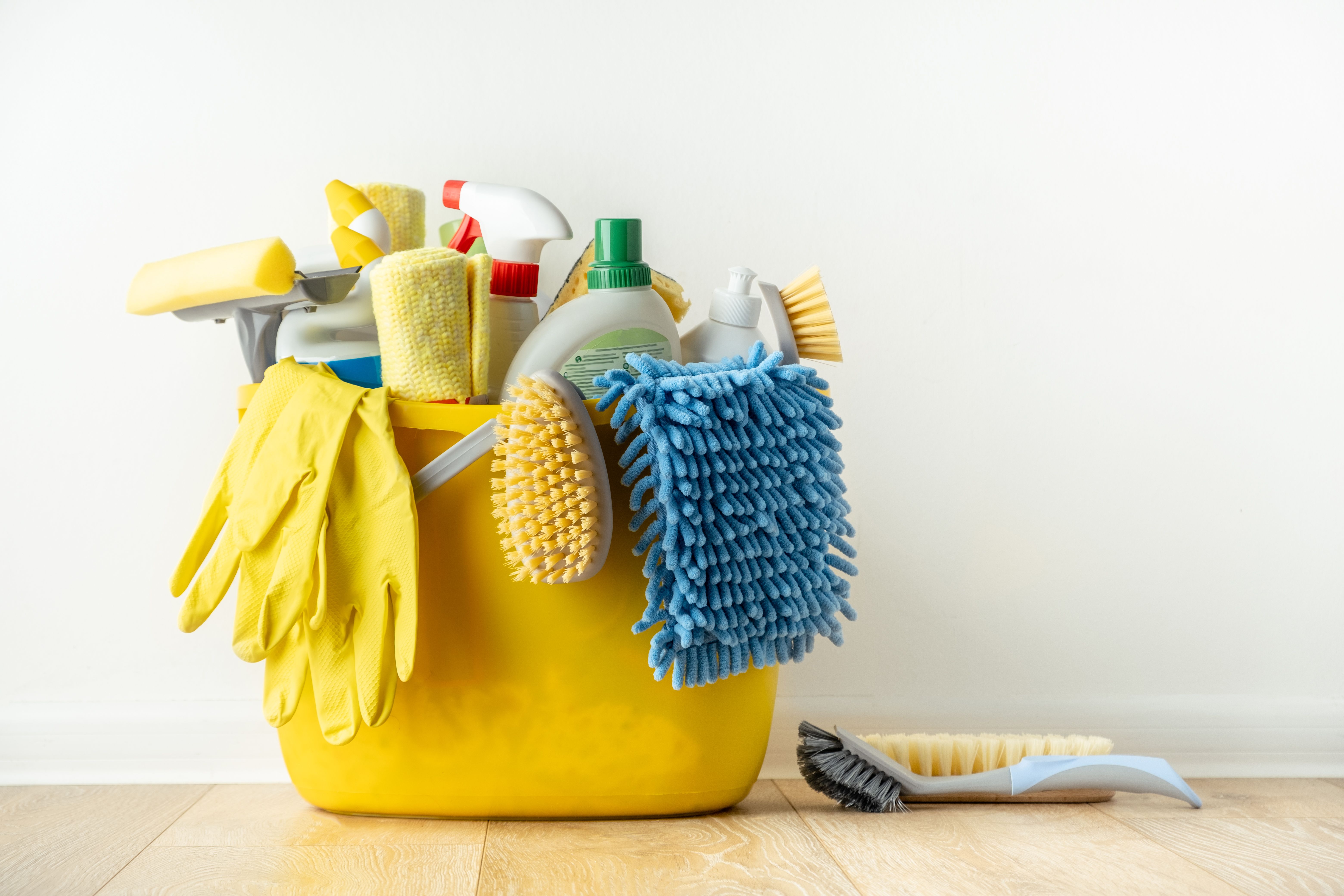
One of the simplest ways to extend the life of your foam packaging is through regular cleaning. Dust and dirt can accumulate on foam surfaces, leading to degradation. To clean, simply use a soft brush or vacuum with a gentle attachment to remove any debris. For deeper cleaning, a mild soap solution can be applied with a damp cloth. Make sure the foam is completely dry before reusing it.
Proper Storage Techniques
Storing foam packaging properly is crucial for maintaining its integrity. Always keep foam in a cool, dry place away from direct sunlight, as UV rays can cause the material to break down faster. If possible, store foam pieces flat to avoid bending or warping. For larger pieces, consider stacking them loosely to prevent compression that can lead to deformation.
Repurposing and Reusing
Foam packaging can often be repurposed to serve other functions, which not only helps in extending its usability but also contributes to sustainability efforts. Consider using smaller pieces of foam for craft projects or as fillers for other packaging needs. You can also cut and shape the foam into protective inserts for toolboxes or storage containers.
Repairing Damaged Foam
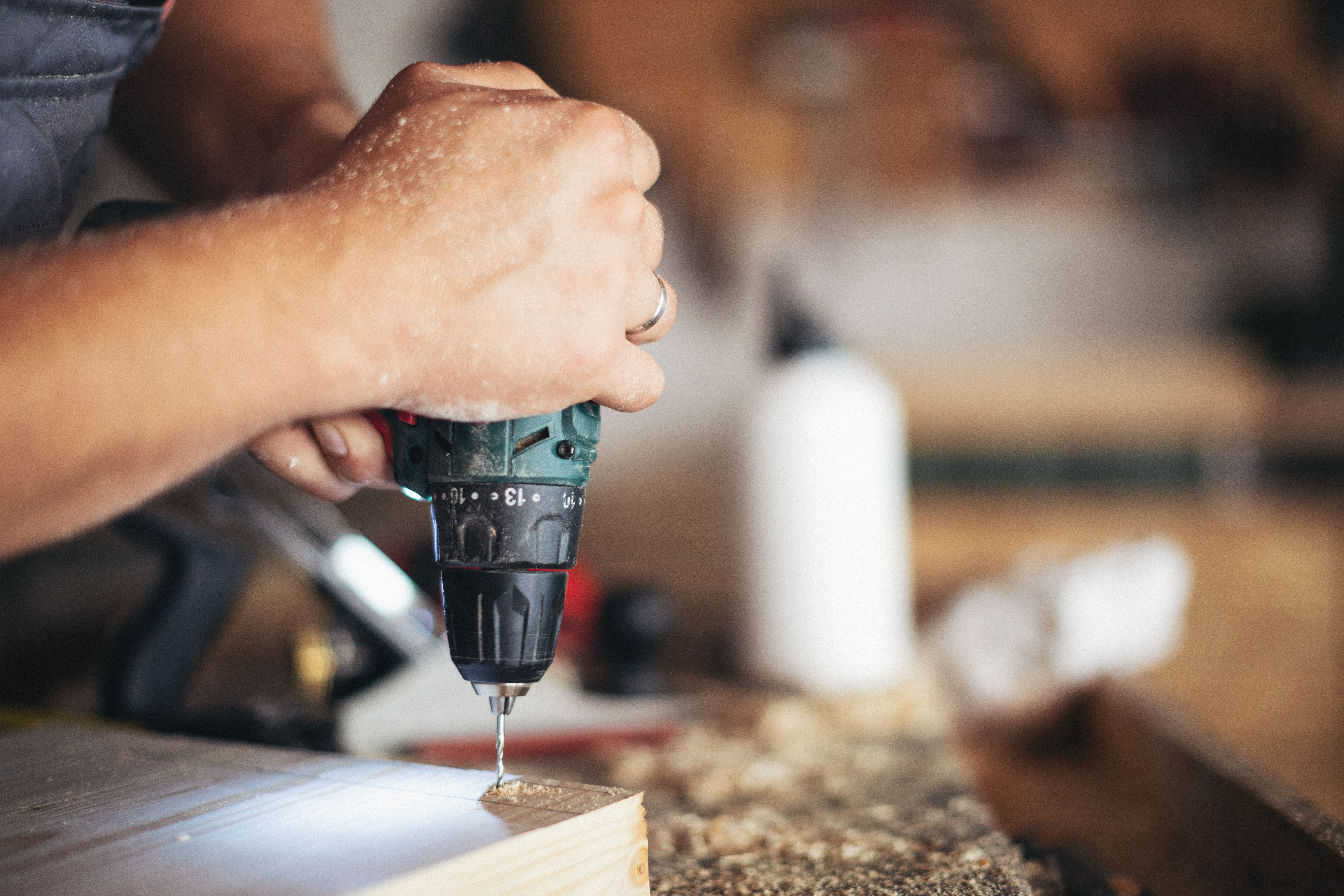
If your foam packaging becomes damaged, don't throw it away just yet. Minor tears or cuts can be repaired using foam adhesive or tape specifically designed for foam materials. Apply the adhesive carefully, ensuring that the edges are aligned properly for a seamless repair. Allow adequate drying time before putting the repaired foam back into use.
Layering for Extra Protection
For items that require extra protection, consider layering different types of foam. This not only offers additional cushioning but also minimizes the wear and tear on individual pieces. For example, you can combine soft foam with a more rigid type to provide both shock absorption and structural support.
Environmentally Friendly Disposal
When your foam packaging has reached the end of its usable life, it's important to dispose of it responsibly. Many recycling centers accept certain types of foam, so check with local facilities to see if they can process it. If recycling isn't an option, consider partnering with businesses that specialize in repurposing industrial materials.
By following these DIY tips, not only will you extend the life of your foam packaging, but you'll also contribute to reducing waste and conserving resources. With a little effort, you can ensure that your foam packaging continues to provide reliable protection for your valuable items.