DIY Guide: Repairing Wooden Pallets at Home


Introduction to Wooden Pallet Repair
Wooden pallets are a versatile and commonly used material for various DIY projects and storage needs. However, over time, they can become damaged due to wear and tear. Learning how to repair wooden pallets at home is a cost-effective way to extend their life and maintain their functionality.
In this guide, we'll walk you through the steps necessary to repair wooden pallets yourself. Whether you're using them for creative projects or practical storage, these tips will help you get the most out of your pallets.
Tools and Materials Needed
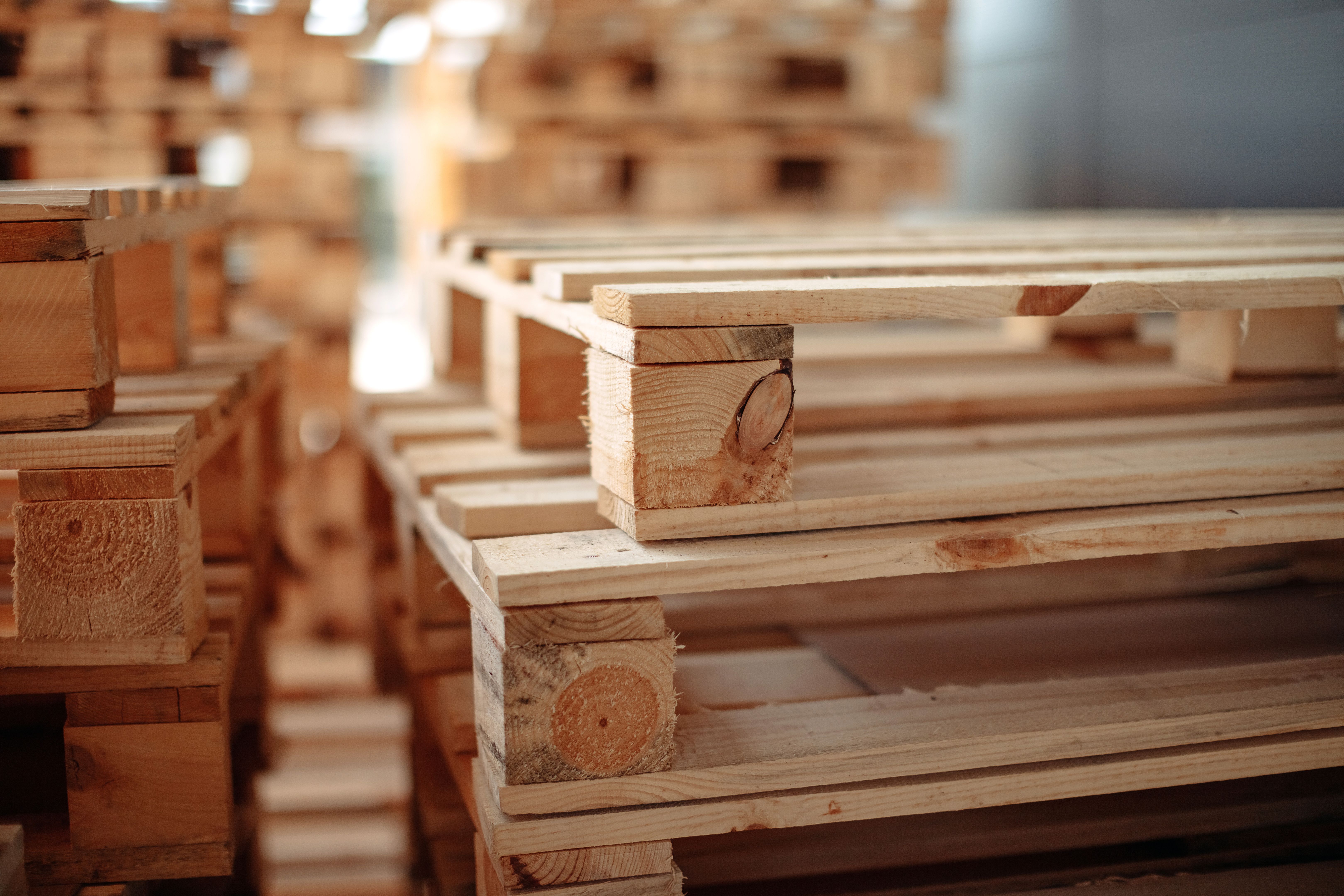
Before you begin the repair process, it's essential to gather all the necessary tools and materials. Here’s a list of what you’ll need:
- Hammer
- Nails or screws
- Wood glue
- Sandpaper
- Replacement boards (if needed)
- Saw (for cutting replacement boards)
- Protective gear (gloves and safety goggles)
Inspecting the Pallet
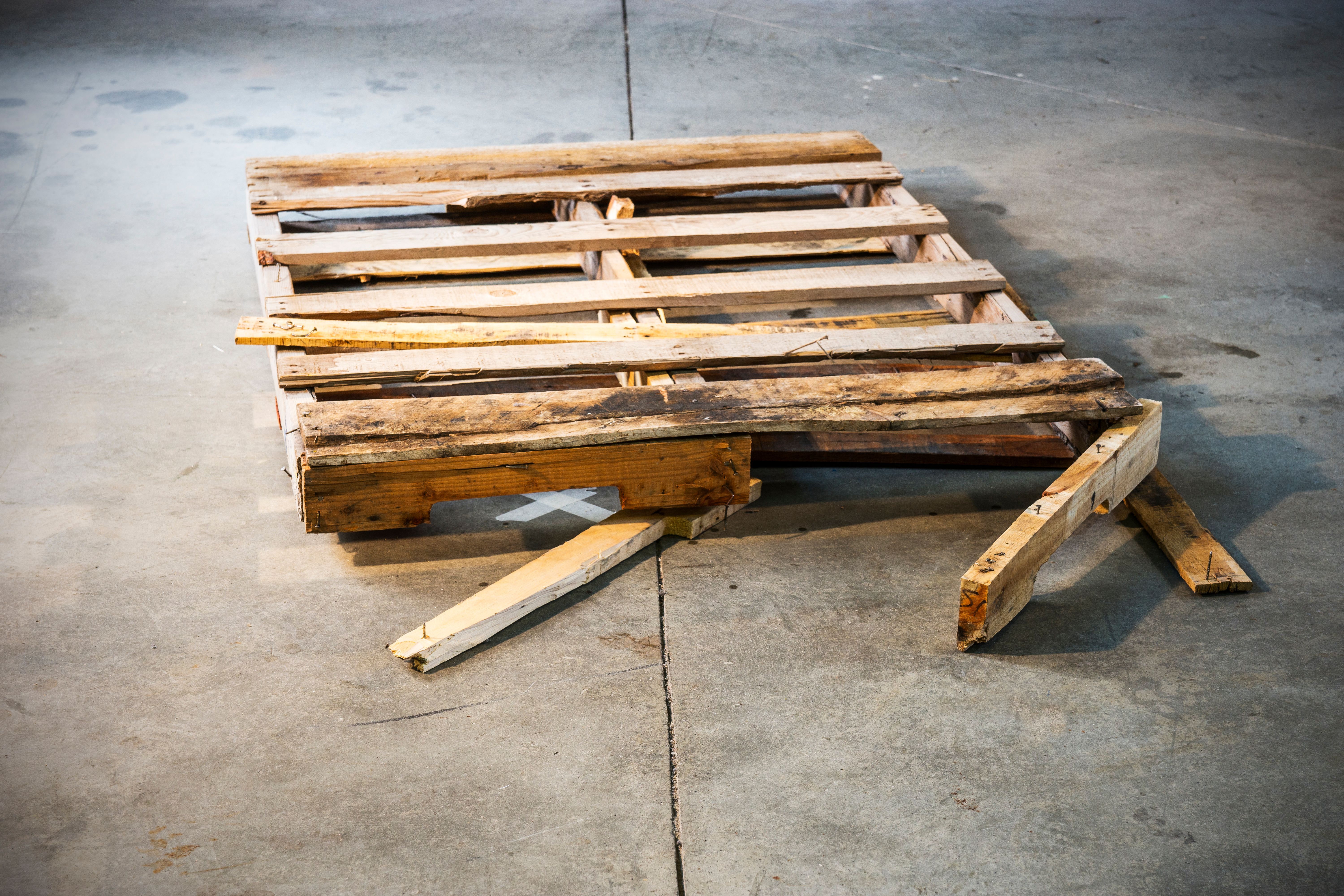
The first step in repairing a wooden pallet is a thorough inspection. Look for any signs of damage such as broken or loose boards, protruding nails, and wood rot. Identifying these issues early will help you focus your repair efforts on the areas that need it most.
Repairing Damaged Boards
If you find any broken boards, you’ll need to either repair or replace them. For minor cracks or splits, applying wood glue and clamping the board until it dries can be effective. For more severe damage, remove the broken board using a hammer or pry bar and replace it with a new one cut to size.
When replacing boards, ensure they are securely attached using nails or screws. Always double-check that no sharp edges or nails are protruding, as these can pose safety hazards.
Sanding and Finishing
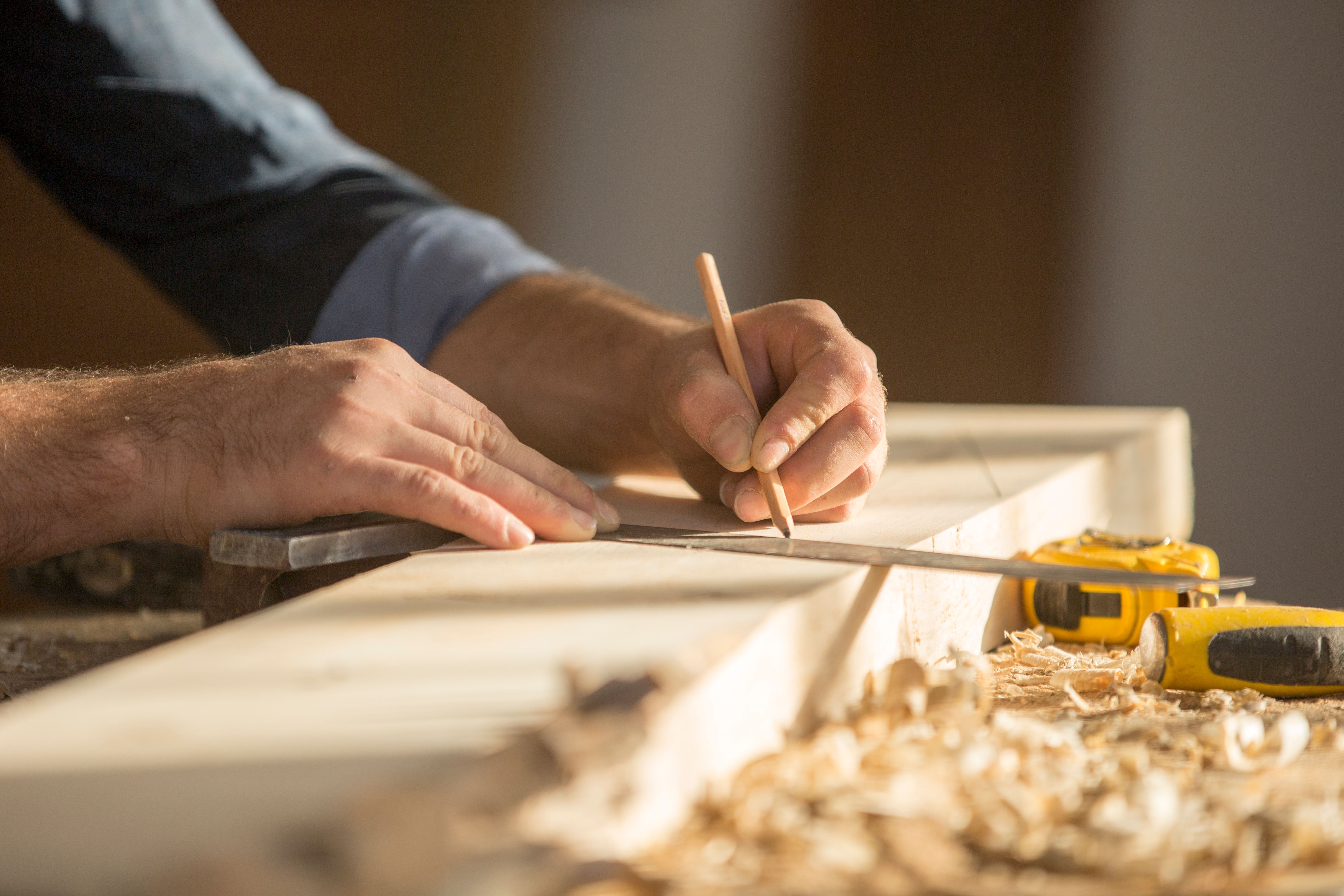
Once the structural repairs are complete, it's time to sand down any rough edges. Use sandpaper to smooth out the surface of the pallet, paying special attention to areas that could cause splinters. This step is crucial if you plan to use the pallet for furniture or decorative purposes.
Preventative Maintenance
To prevent future damage, consider applying a protective finish to your pallet. A coat of sealant or paint can help protect against moisture and extend the life of the wood. Additionally, store pallets in a dry area when not in use to minimize exposure to the elements.
Regularly inspect your pallets for signs of wear and perform minor repairs as needed. This ongoing maintenance will save you time and effort in the long run.
Conclusion
Repairing wooden pallets at home is not only economical but also environmentally friendly. By following these steps, you can breathe new life into old pallets and keep them in good condition for years to come. With a little effort and attention, your wooden pallets can continue to serve you well in various projects.