DIY Foam Pallet Solutions for Small Businesses


Understanding the Basics of Foam Pallet Solutions
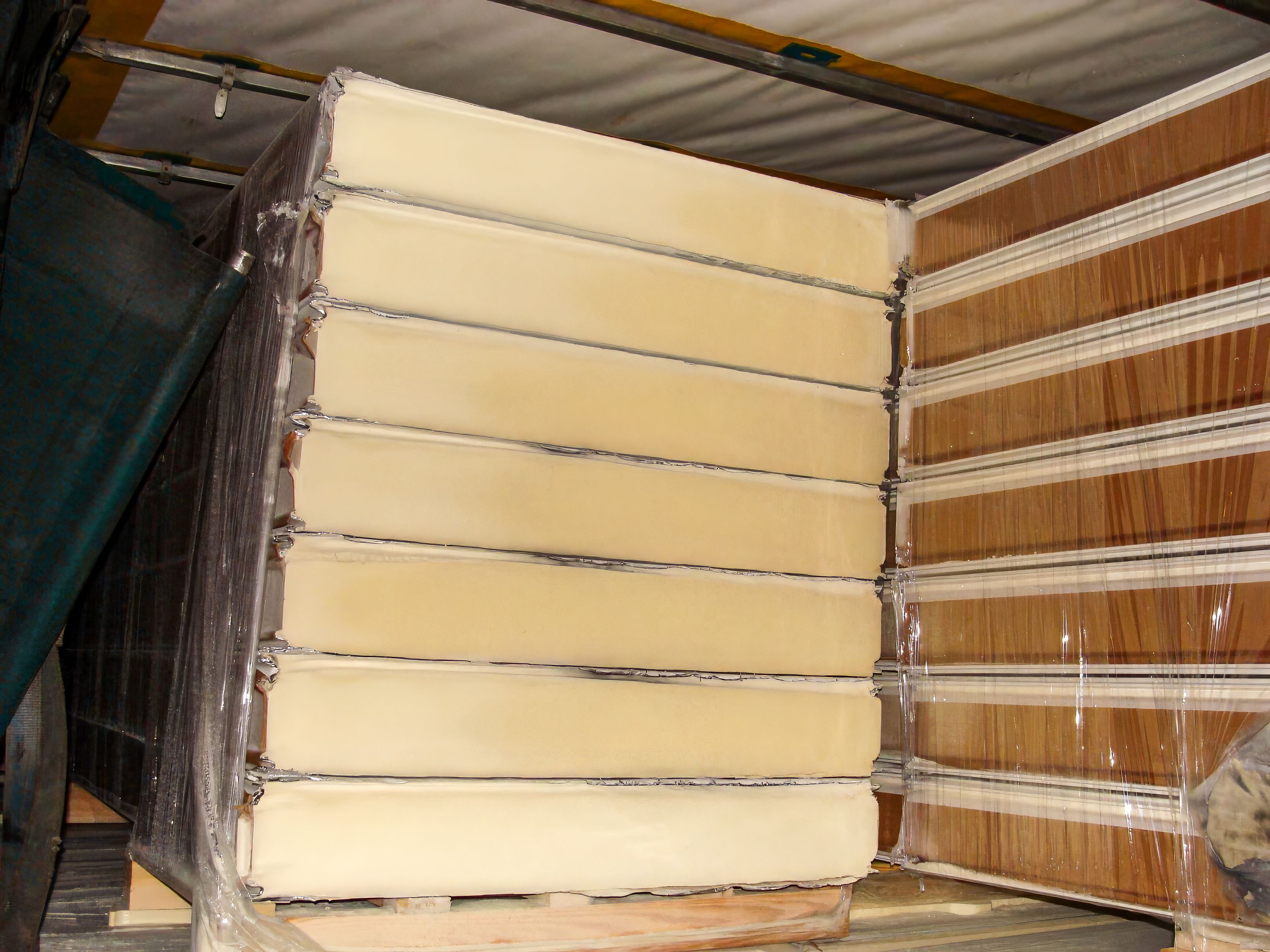
Foam pallet solutions are becoming increasingly popular among small businesses due to their versatility and cost-effectiveness. These solutions provide excellent cushioning and protection for various products during shipping and storage. By using foam pallets, small business owners can minimize product damage, thereby reducing costs associated with returns and replacements.
Foam pallets are made from lightweight materials, making them easy to handle and transport. This feature is especially beneficial for small businesses that may not have access to heavy-duty equipment or large warehouse spaces. Additionally, foam pallets can be easily customized to fit different product dimensions, ensuring a snug and secure fit.
Advantages of DIY Foam Pallet Solutions
One of the primary advantages of DIY foam pallet solutions is the potential for significant cost savings. By creating your own foam pallets, you can avoid the high costs associated with purchasing pre-made options. Additionally, DIY solutions offer flexibility, allowing you to design pallets that meet the specific needs of your products.
Another benefit is the ability to recycle and reuse materials. Many DIY foam pallet projects can be completed using recycled foam, reducing waste and promoting sustainability. This eco-friendly approach can also enhance your brand's reputation among environmentally conscious consumers.
Materials Needed for DIY Foam Pallets
Creating your own foam pallets requires a few essential materials. Here is a list of items you may need:
- Foam sheets or blocks
- Utility knife or foam cutter
- Measuring tape
- Adhesive or glue
- Marker or pen for marking cuts
Step-by-Step Guide to Creating Foam Pallets
To create your own foam pallets, follow these simple steps:
- Measure Your Product: Start by measuring the dimensions of your product to determine the size of the foam pallet needed.
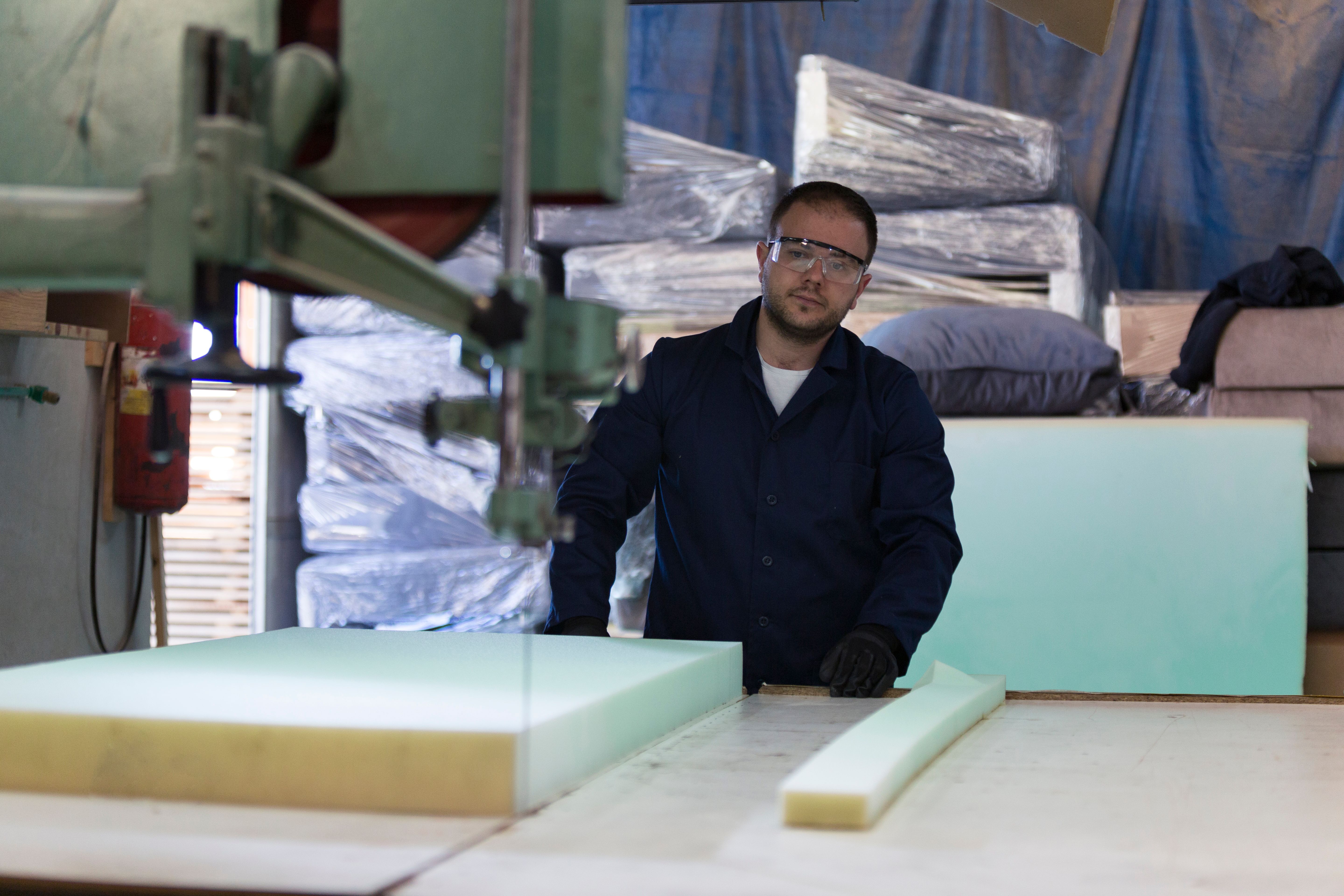
- Cut the Foam: Use a utility knife or foam cutter to cut the foam sheets to the required size. Ensure that your cuts are straight and precise for a snug fit.
- Assemble the Pallet: Arrange the cut foam pieces according to your design plan. Use adhesive or glue to secure them in place, creating a stable base for your products.
- Test the Fit: Place your product on the completed foam pallet to ensure it fits securely. Make any necessary adjustments for optimal protection.
Tips for Maximizing Efficiency and Effectiveness
To get the most out of your DIY foam pallet solution, consider the following tips:
- Customize for Each Product: Tailor each foam pallet to the specific dimensions and weight of your products for enhanced protection.
- Label Clearly: Mark your pallets with clear labels to identify contents quickly, reducing handling errors.
- Regularly Inspect for Wear and Tear: Check your foam pallets regularly for signs of damage and replace them as needed to maintain effectiveness.
By implementing these strategies, you can ensure that your DIY foam pallet solutions remain an efficient part of your shipping and storage processes.
The Impact on Small Business Operations
Adopting DIY foam pallet solutions can have a profound impact on small business operations. Not only do they offer a practical way to protect products, but they also contribute to overall cost savings and operational efficiency. The customization options available with DIY solutions allow businesses to cater specifically to their unique needs, leading to better customer satisfaction and fewer product returns.
The environmental benefits of using recycled materials also align with many consumers’ values, fostering goodwill and potentially increasing brand loyalty. In conclusion, foam pallet solutions are an excellent choice for small businesses looking to optimize logistics and enhance their sustainability efforts.