Demystifying Returnables: Common Myths and Facts


Understanding the Concept of Returnables
Returnable packaging, also known as reusable packaging, has become a significant focus in sustainable business practices. These are systems where packaging materials are used multiple times, reducing waste and promoting efficiency. Despite their increasing popularity, there remain numerous myths surrounding returnables, leading to confusion among businesses and consumers alike.

Myth: Returnables Are More Expensive
A common misconception is that returnable packaging is prohibitively expensive. While the initial investment might be higher than single-use options, the long-term savings can be substantial. Businesses often find that the cost per trip decreases significantly when packaging is reused multiple times. This cost efficiency is enhanced by reduced waste disposal fees and lower material costs over time.
In addition to direct financial benefits, returnables can boost brand reputation as consumers increasingly value sustainability. This can lead to increased customer loyalty and potentially higher sales, further offsetting initial costs.
Fact: Returnables Reduce Environmental Impact
One of the most compelling reasons to adopt returnables is their positive environmental impact. By reusing materials, companies significantly decrease their carbon footprint, conserve resources, and reduce landfill waste. This environmental advantage aligns with global sustainability goals and can help businesses meet regulatory requirements more easily.

Myth: Returnables Are Not as Durable
Another myth is that returnable packaging lacks durability compared to single-use counterparts. In reality, returnables are designed for longevity and toughness. Made from materials like durable plastics or metals, they withstand multiple trips and diverse handling conditions. This durability ensures that they can be used repeatedly without compromising the safety or quality of the contents they carry.
Fact: Returnables Enhance Operational Efficiency
Implementing a returnable packaging system can streamline operations. Reusable packaging often features standardized dimensions and designs, making transportation and storage more efficient. This standardization can reduce handling time and errors during loading and unloading processes.
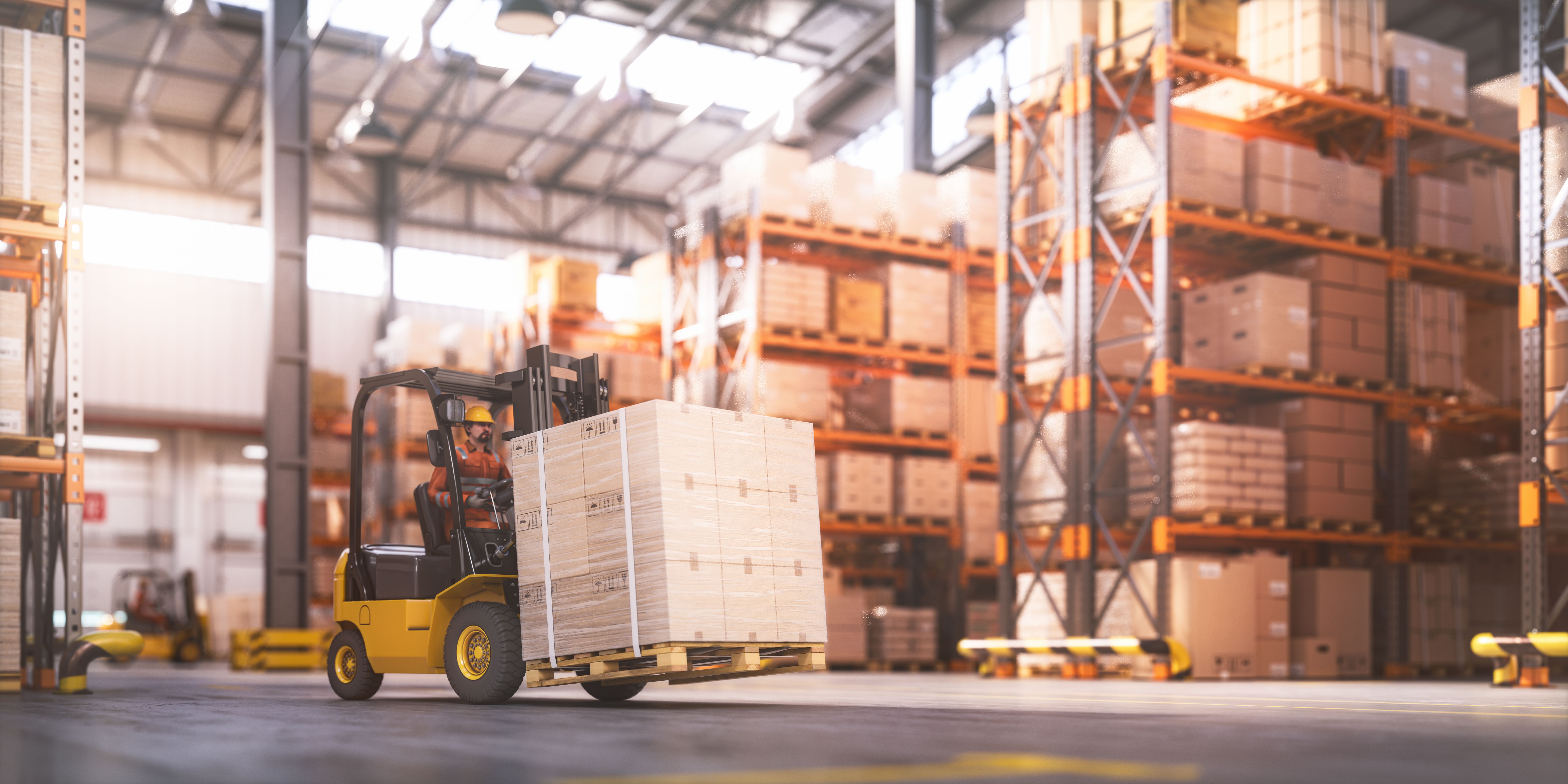
Moreover, tracking systems for returnables have advanced significantly. Technologies such as RFID tags allow companies to monitor inventory accurately, optimize logistics, and reduce losses from misplaced packaging. This level of control further enhances the operational benefits of using returnables.
Myth: Returnables Are Only Suitable for Large Companies
There's a belief that only large corporations can benefit from returnable systems due to scale economies. However, small and medium enterprises (SMEs) can also implement these systems effectively. Many suppliers offer scalable solutions tailored to the needs and budgets of smaller businesses.
With a growing emphasis on collaboration within supply chains, SMEs can partner with other businesses or join shared returnable networks to make these systems even more viable financially.
The Future of Returnable Packaging
As awareness of environmental issues grows, the demand for sustainable solutions like returnable packaging is set to increase. Innovations in materials and tracking technologies will continue to enhance the efficiency and attractiveness of these systems.
Businesses that invest in returnable packaging now position themselves as leaders in sustainability, ready to meet future consumer expectations and regulatory requirements. By debunking myths and understanding the facts about returnables, companies can make informed decisions that benefit both their bottom line and the planet.