Comparing Wooden vs. Plastic Pallets: Which is Best for Your Business?


Introduction to Pallet Materials
When considering the logistics of your business, the choice of pallets is crucial. Wooden and plastic pallets are two of the most popular options for transporting goods, each with its own advantages and disadvantages. Understanding these differences can help you make an informed decision that enhances your business operations.
The right pallet can affect everything from shipping costs to environmental impact. By comparing the features, benefits, and downsides of wooden and plastic pallets, you can choose the best option for your specific needs.
Durability and Longevity
Wooden Pallets
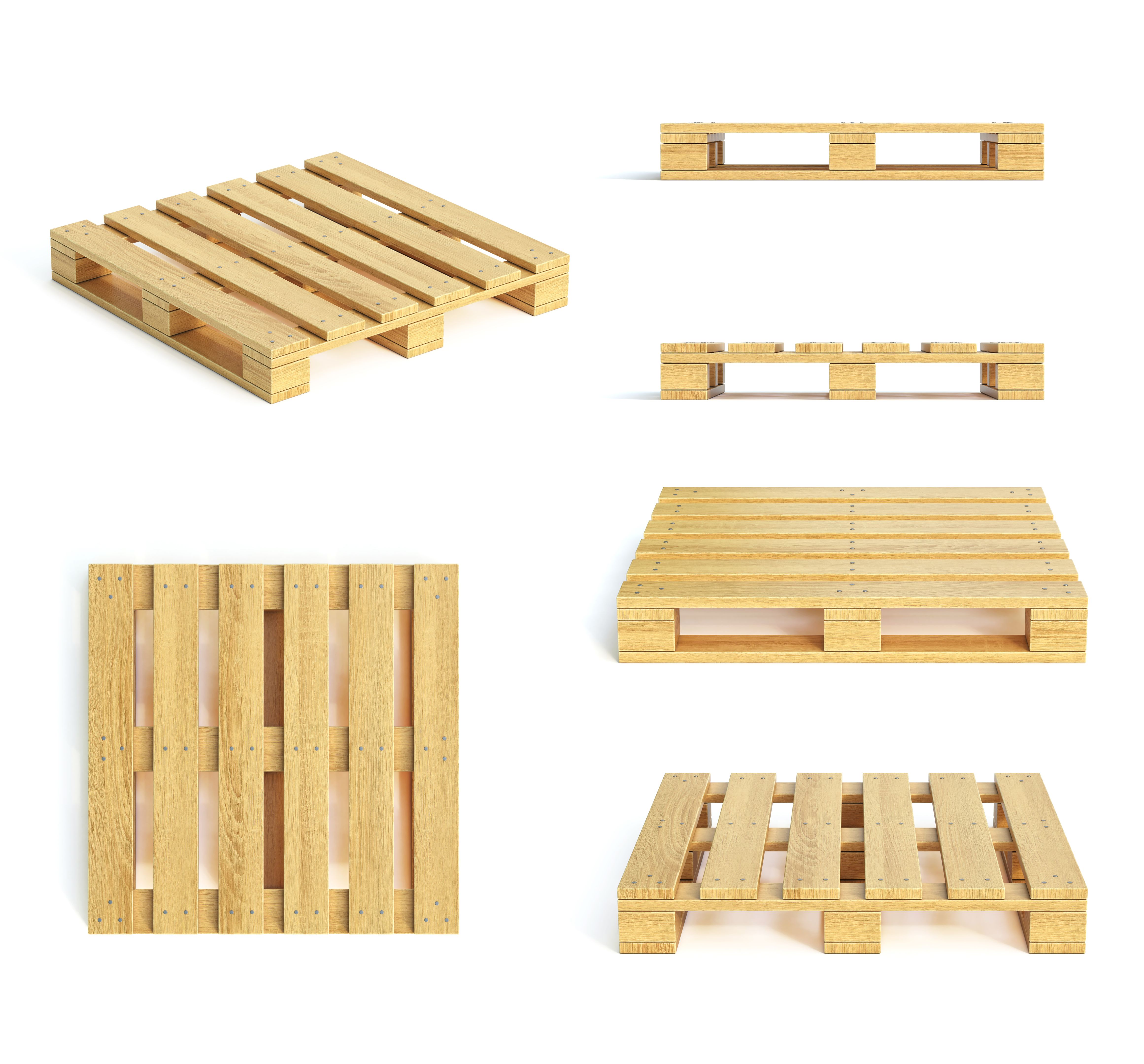
Wooden pallets are known for their strength and ability to handle heavy loads. They are often the preferred choice in industries where weight capacity is a critical factor. However, their longevity can be compromised by exposure to moisture and rough handling, which may lead to splintering or breakage over time.
Plastic Pallets
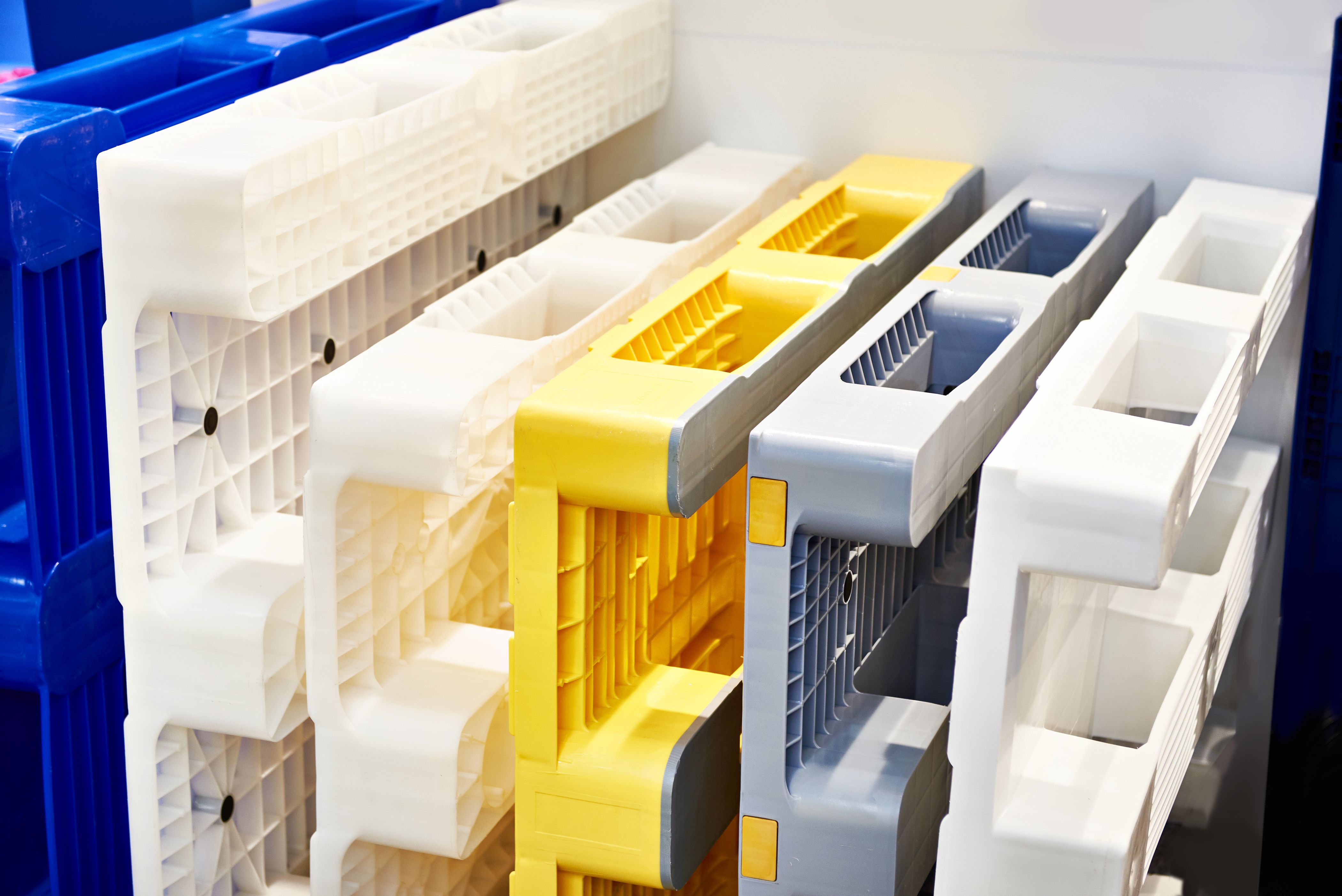
Plastic pallets, while generally more expensive initially, offer superior durability against moisture and chemicals. They do not splinter and have a longer lifespan than their wooden counterparts, making them a cost-effective choice in the long run for certain businesses.
Cost Considerations
Initial Investment
Wooden pallets are generally cheaper upfront, which is why many businesses opt for them when trying to minimize initial costs. This makes them an attractive option for startups or businesses with tight budgets.
Long-term Savings
Although plastic pallets have higher initial costs, their durability can lead to long-term savings. They are less likely to incur repair expenses and can be used over a longer period without needing replacement.

Environmental Impact
Sustainability of Wooden Pallets
Wooden pallets are biodegradable and can often be made from recycled wood, making them a relatively sustainable choice. However, they require trees to be cut down for production, which can contribute to deforestation if not managed responsibly.
Recyclability of Plastic Pallets
Plastic pallets are typically made from recycled materials and can be fully recycled at the end of their life cycle. This makes them an appealing option for companies aiming to reduce their carbon footprint and promote sustainability.

Hygiene and Safety
Considerations for Wooden Pallets
The porous nature of wood can harbor bacteria and pests, making wooden pallets less suitable for industries where hygiene is critical, such as food and pharmaceuticals.
Advantages of Plastic Pallets
Plastic pallets offer a more hygienic option as they are easy to clean and sanitize. Their non-porous surface prevents the absorption of liquids and contaminants, making them ideal for industries that require strict hygiene standards.

Conclusion: Making the Right Choice
The decision between wooden and plastic pallets should be based on your specific business needs, including budget, environmental goals, and industry requirements. While wooden pallets may offer cost efficiency, plastic pallets provide long-term durability and hygiene benefits.
Evaluate these factors carefully to determine which type of pallet aligns best with your business objectives, ensuring smooth operations and contributing to your bottom line.