Comparing Wooden vs. Foam Pallets: Which is Right for You?


Understanding the Basics
When it comes to shipping and logistics, choosing the right type of pallet can significantly impact your business operations. Two of the most common types are wooden and foam pallets. Each has its own advantages and drawbacks, and selecting the right one depends on your specific needs and circumstances.
Durability and Strength
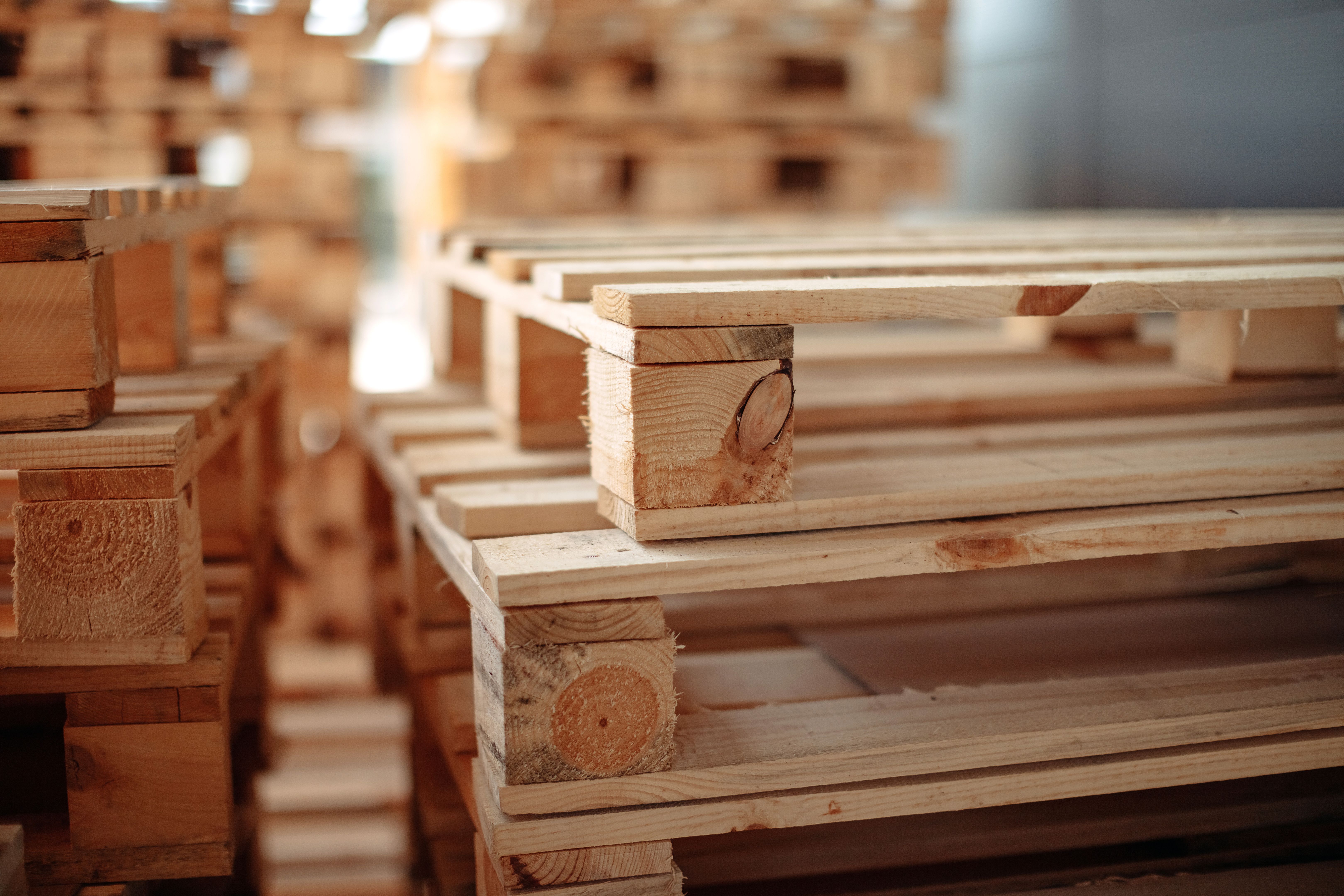
Wooden pallets are well-known for their strength and durability. They can handle heavy loads, making them ideal for transporting bulk goods. However, their weight can be a disadvantage when shipping costs are calculated by weight. On the other hand, foam pallets are much lighter, which can reduce shipping costs. While they may not support as much weight as wooden pallets, they offer sufficient strength for lighter loads.
Cost Considerations
Another critical factor is cost. Wooden pallets are generally less expensive upfront, but they may require repairs or replacements over time due to wear and tear. Foam pallets, although more costly initially, tend to have a longer lifespan and require less maintenance. This can make them a more cost-effective option in the long run, especially for businesses that prioritize sustainability and reduced waste.

Environmental Impact
The environmental impact is an increasingly important consideration for many companies. Wooden pallets are made from natural materials and are biodegradable, but sourcing the wood can contribute to deforestation if not done sustainably. Foam pallets, often made from recycled materials, are not biodegradable but can be recycled. Businesses committed to green practices might find foam pallets more aligned with their environmental goals.
Hygiene and Safety
When it comes to hygiene, especially in industries like food and pharmaceuticals, foam pallets have the upper hand. They are resistant to moisture and pests, reducing the risk of contamination. Wooden pallets can harbor bacteria and pests if not properly treated. Therefore, for industries with strict hygiene standards, foam pallets could be the safer choice.

Customizability and Adaptability
Foam pallets offer greater customization options. They can be tailored to fit specific product shapes or sizes, offering better product protection. Wooden pallets have standard sizes but can be customized to a certain extent, though this often involves additional costs.
Conclusion: Making Your Choice
Ultimately, the decision between wooden and foam pallets hinges on several factors: load capacity, cost, environmental impact, hygiene requirements, and customizability. Assessing these aspects in relation to your business needs will guide you towards the best choice. Whether prioritizing cost-efficiency or sustainability, each option offers distinct benefits that could align with your operational priorities.