Comparing Wooden Pallets vs. Plastic Pallets: Which is Right for You?


Understanding the Basics
When it comes to choosing between wooden pallets and plastic pallets, understanding the fundamental differences is crucial. Both types serve the same primary function of supporting and transporting goods, yet they offer distinct advantages and disadvantages. Your decision will depend on various factors including budget, environmental considerations, and the specific needs of your logistics operations.
Wooden pallets are traditionally the more popular choice in many industries due to their cost-effectiveness and ease of repair. On the other hand, plastic pallets are gaining traction for their durability and hygiene properties, especially in sectors like pharmaceuticals and food production.
Cost Considerations
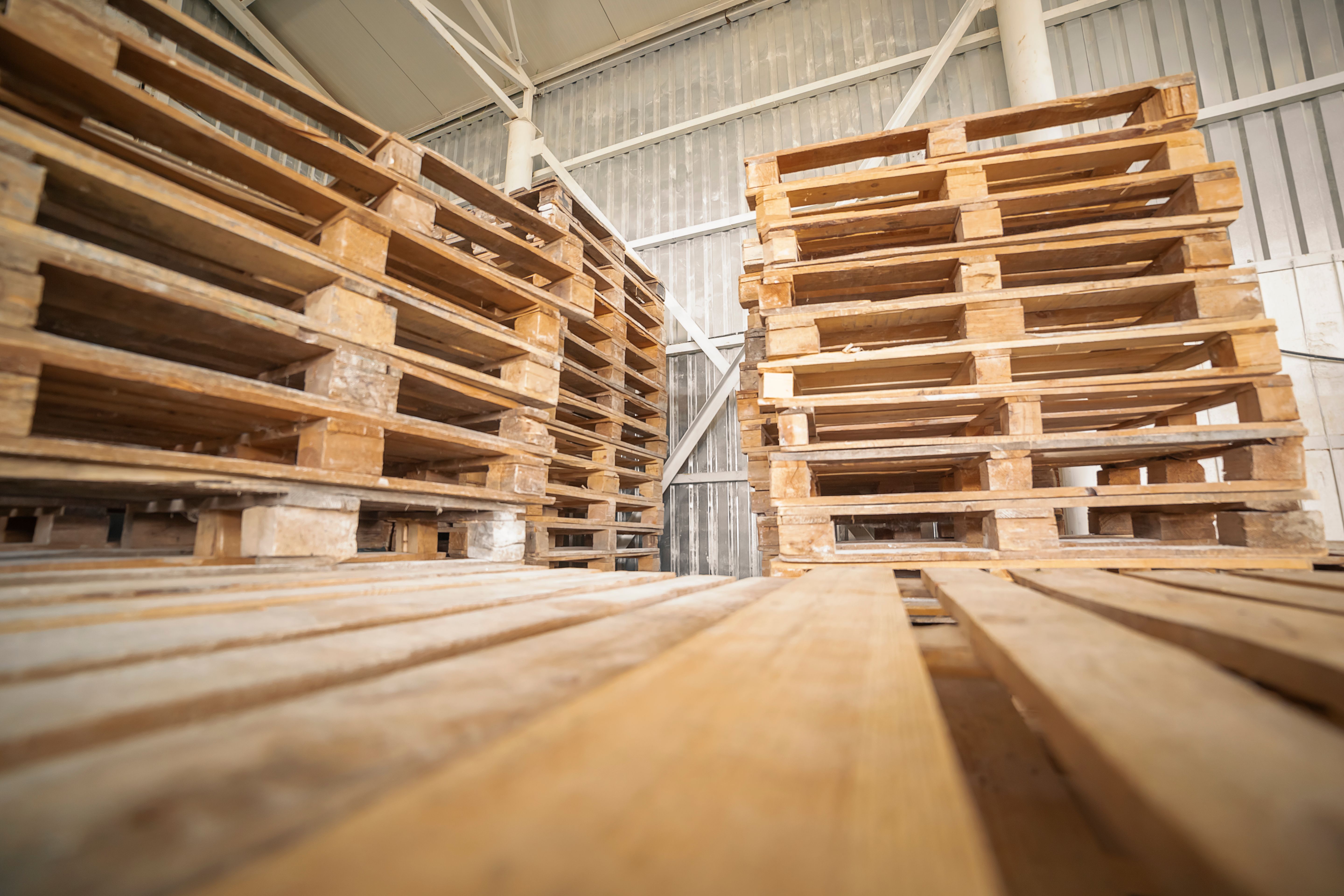
A significant factor influencing the choice between wooden and plastic pallets is cost. Wooden pallets are generally less expensive upfront, making them an ideal choice for businesses with tight budgets or those that require a high turnover of pallets. However, they may incur additional costs due to repairs and replacements over time.
Plastic pallets, while more expensive initially, offer a longer lifespan. They are resistant to weather, pests, and chemical exposure, which can result in lower long-term costs. For companies focused on sustainability and reducing waste, the initial investment in plastic pallets might be justified by their durability and reusability.
Durability and Maintenance
Durability is another crucial aspect to consider. Wooden pallets tend to degrade faster than plastic ones. They are susceptible to splintering, cracking, and absorbing moisture, which can lead to contamination issues. Regular maintenance is required to ensure they remain functional and safe for use.
Conversely, plastic pallets are known for their robustness. They are resistant to rot, corrosion, and chemical damage, making them a preferred option for industries that require stringent hygiene standards. Their smooth surfaces also make them easier to clean and sanitize, further enhancing their appeal in sectors like food processing.
Environmental Impact
In today's environmentally conscious world, the sustainability of materials plays a critical role in decision-making. Wooden pallets are biodegradable and can be easily recycled or repurposed, aligning with eco-friendly practices. However, they contribute to deforestation if not sourced responsibly.
Plastic pallets, being non-biodegradable, pose environmental challenges. Nevertheless, many manufacturers now offer recycling programs that allow these pallets to be repurposed into new products. Choosing recycled plastic pallets can mitigate some environmental concerns while benefiting from their durability.
Weight and Handling
The weight of the pallet can significantly impact shipping costs. Wooden pallets are typically heavier than plastic ones, potentially increasing transportation expenses. This weight factor also affects manual handling, with lighter plastic pallets being easier to manage and reducing the risk of workplace injuries.
Moreover, plastic pallets often come with features such as interlocking designs or molded runners that enhance stability during transport. These features can contribute to improved safety and efficiency in warehouse operations.
Conclusion
Ultimately, the choice between wooden and plastic pallets depends on your specific business needs and priorities. If cost is a primary concern, wooden pallets may be more suitable for your operations. However, if durability, hygiene, and environmental impact are higher on your list of priorities, investing in plastic pallets could be the better option.
By weighing these factors carefully, you can make an informed decision that aligns with your logistical requirements and sustainability goals. Whether you opt for wooden or plastic pallets, both have their place in modern supply chains, each offering unique benefits that can enhance your business operations.