Comparing Wooden Pallets and Foam: Which Is Best for Your Needs?


Introduction
When it comes to shipping and storing goods, choosing the right material for pallets can be crucial. Wooden pallets and foam pallets are two popular choices, each with its own advantages and drawbacks. Understanding these differences can help you make an informed decision for your business needs.
Durability and Strength
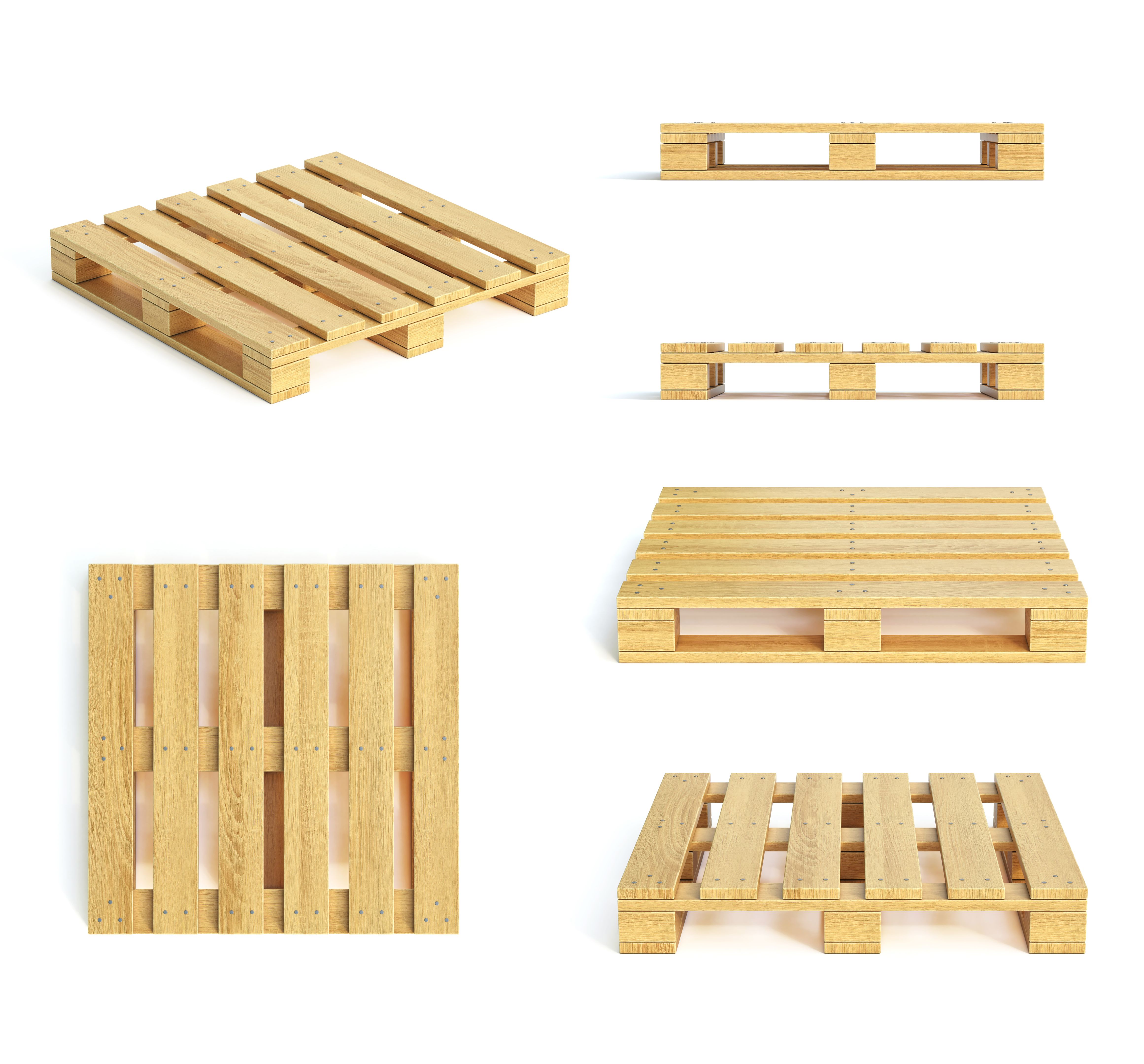
Wooden pallets are known for their robustness and can handle heavy loads, making them ideal for transporting bulky items. The natural strength of wood provides a stable base, reducing the risk of damage during transit. However, they can be prone to splintering and may require maintenance over time.
Foam pallets, on the other hand, offer flexibility and are resistant to cracking. While they may not support as much weight as wooden pallets, they are less likely to be damaged by moisture or pests. This makes them a good choice for environments where these factors are a concern.
Weight and Portability
One of the standout features of foam pallets is their lightweight nature. This can significantly reduce shipping costs and make handling easier for workers. Their portability can be a major advantage in situations where frequent movement of goods is required.
Conversely, wooden pallets are heavier, which may result in higher shipping expenses. However, their weight can also be a benefit, providing extra stability for heavier loads. Consider the nature of the goods you’re shipping to decide which option is more suitable.
Environmental Impact
In terms of environmental considerations, wooden pallets are often seen as the more sustainable choice. They are biodegradable and can be recycled or repurposed, contributing to a circular economy. Many businesses choose wooden pallets to align with eco-friendly practices.
Foam pallets, while recyclable, are made from synthetic materials that may not break down as easily. However, advancements in recycling technology are improving their environmental footprint, making them a viable option for some companies.
Cost Considerations
Wooden pallets are generally more affordable upfront, which can be appealing for businesses with tight budgets. They are widely available and can be sourced from local suppliers, reducing transportation costs.
Foam pallets might have a higher initial cost, but they can offer savings in the long run by reducing shipping expenses due to their lighter weight. Additionally, their durability can mean fewer replacements over time, offsetting the initial investment.
Conclusion
Choosing between wooden pallets and foam pallets depends on various factors such as load requirements, environmental considerations, and budget constraints. Both options have their unique benefits, and the right choice will align with your specific needs and operational goals.
Carefully evaluate the pros and cons of each material to ensure the optimal solution for your shipping and storage requirements. Whether you prioritize strength, sustainability, or cost, understanding these differences will guide you to the best decision.