Comparing Pallet Types: Wood vs. Plastic vs. Metal


Introduction to Pallet Types
When it comes to choosing pallets for shipping and storage, businesses have several options. The type of pallet you select can impact not only your logistical efficiency but also your bottom line. In this post, we will compare the three most common types of pallets: wood, plastic, and metal. Each type comes with its own set of advantages and disadvantages, making it crucial to understand their characteristics to make an informed decision.
Pallets are essential components in the logistics industry, serving as a base for storing and transporting goods safely and efficiently. The choice between wood, plastic, and metal pallets often depends on factors such as cost, durability, weight, and environmental impact.
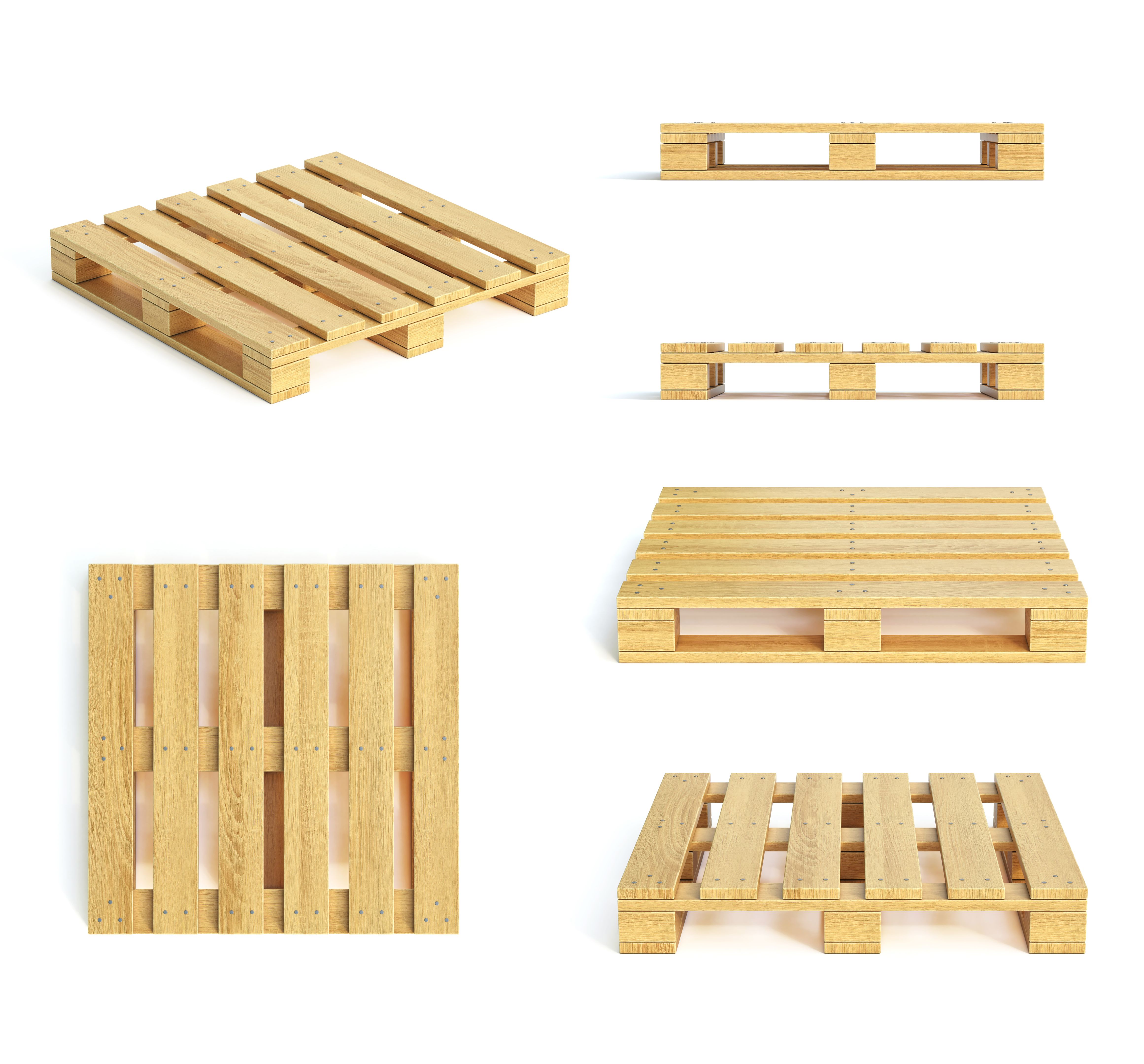
Wood Pallets
Advantages of Wood Pallets
Wood pallets are the most traditional and widely used type of pallet. One of their primary advantages is cost-effectiveness. They are generally less expensive to produce compared to plastic or metal pallets. Wood pallets are also easy to repair; damaged boards can be replaced without much hassle.
Disadvantages of Wood Pallets
Despite their popularity, wood pallets have some drawbacks. They tend to have a shorter lifespan due to susceptibility to moisture, pests, and splintering. Additionally, wood pallets can be heavier than their plastic counterparts, potentially increasing shipping costs.

Plastic Pallets
Advantages of Plastic Pallets
Plastic pallets are known for their durability and long lifespan. Unlike wood pallets, they are resistant to moisture, rot, and pests. This makes them a great choice for industries that require sterile conditions, such as pharmaceuticals and food. Furthermore, plastic pallets are lighter than wood pallets, which can help reduce shipping costs.
Disadvantages of Plastic Pallets
The main drawback of plastic pallets is their higher upfront cost. They are more expensive to manufacture than wood pallets. However, their longevity can offset this initial investment over time. Additionally, plastic pallets may not be as strong as metal options when it comes to handling extremely heavy loads.
Metal Pallets
Advantages of Metal Pallets
Metal pallets are renowned for their strength and durability. They can handle heavy loads with ease and withstand harsh environments. This makes them ideal for industries such as automotive and heavy machinery. Metal pallets are also fire-resistant, adding an extra layer of safety for certain applications.
Disadvantages of Metal Pallets
The major downside of metal pallets is their weight, which can significantly increase shipping costs. They are also the most expensive type of pallet to produce. Metal pallets may not be suitable for all industries due to their high cost and weight concerns.
Conclusion
Choosing the right type of pallet depends on your specific needs and priorities. If cost-effectiveness is your main concern, wood pallets may be the best option. For those seeking durability and hygiene, plastic pallets could be the way to go. If strength and fire resistance are paramount, then metal pallets might be worth the investment.
Ultimately, understanding the strengths and weaknesses of each pallet type will help you make an informed decision that aligns with your business goals and operational requirements.