Comparing Foam vs. Wooden Pallets: Which is Right for You?


Introduction to Pallet Types
When it comes to transporting goods, choosing the right type of pallet can make a significant difference in efficiency and cost-effectiveness. Two popular types of pallets are foam and wooden pallets, each with its own set of advantages and disadvantages. Understanding these differences can help you make an informed decision for your shipping needs.
Durability and Strength
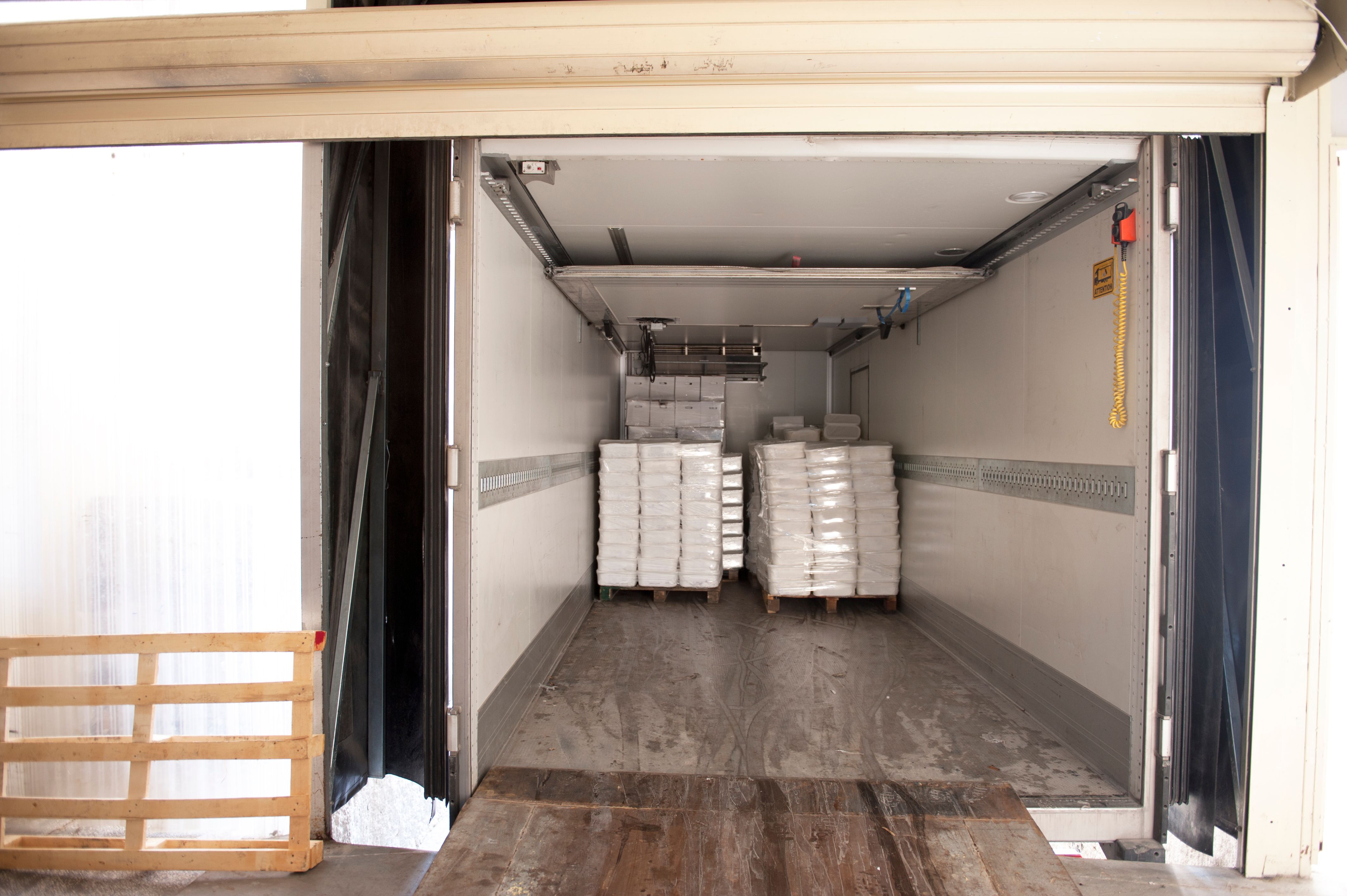
One of the primary considerations when choosing a pallet is its durability and strength. Wooden pallets are known for their robustness, capable of holding heavier loads compared to foam pallets. They are ideal for transporting goods that require extra support. However, they can be prone to damage from moisture and insects if not treated properly.
On the other hand, foam pallets are lightweight and resistant to moisture, making them less likely to suffer from environmental damage. While they cannot bear as much weight as wooden pallets, they are suitable for lighter loads and environments where moisture resistance is crucial.
Weight and Handling
The weight of the pallet itself can affect shipping costs and ease of handling. Foam pallets are significantly lighter than wooden pallets, making them easier to maneuver and reducing transportation expenses. This can be a major advantage for companies looking to minimize costs related to shipping and handling.

Wooden pallets, being heavier, may incur higher shipping costs due to their weight. However, their sturdiness often justifies the extra cost for heavier or bulkier shipments that require additional support.
Environmental Impact
Sustainability concerns have become increasingly important in today’s business environment. Wooden pallets are typically made from renewable resources and can be reused or recycled easily, which reduces their environmental footprint. However, the production process can involve deforestation if not managed responsibly.
Foam pallets, while made from non-renewable materials, can be manufactured with recycled materials, making them a more environmentally friendly option than one might assume. However, their disposal can be an issue if not handled correctly, as they do not decompose as naturally as wood.
Cost Considerations
The initial cost of purchasing pallets is another factor companies need to consider. Wooden pallets are generally less expensive upfront compared to foam pallets. However, the cost-effectiveness of each type depends on the specific needs of your business. For example, if you frequently ship lightweight goods, the long-term savings on transport costs with foam pallets might outweigh their higher initial cost.
Conversely, if your shipments are heavier or require more durability, investing in wooden pallets could be more economical in the long run. It’s essential to evaluate your specific needs and budget constraints when making this decision.
Conclusion: Making the Right Choice
Ultimately, the choice between foam and wooden pallets depends on various factors including load weight, handling requirements, environmental concerns, and budget constraints. Wooden pallets offer strength and durability at a lower cost but may incur higher shipping expenses due to their weight. Foam pallets provide a lightweight alternative with moisture resistance but come at a higher initial cost.
By considering these aspects carefully, you can select the pallet type that best aligns with your operational needs and sustainability goals. Whether you prioritize cost-effectiveness or environmental impact, there is a pallet option that can meet your demands efficiently.