A Comprehensive Comparison: Wooden vs. Plastic Pallets


Introduction to Pallets
Pallets play a crucial role in the logistics and supply chain industry, serving as the foundation for storing and transporting goods. With various materials available, businesses often find themselves choosing between wooden and plastic pallets. Each type offers unique benefits and drawbacks, making the decision dependent on specific needs and priorities.
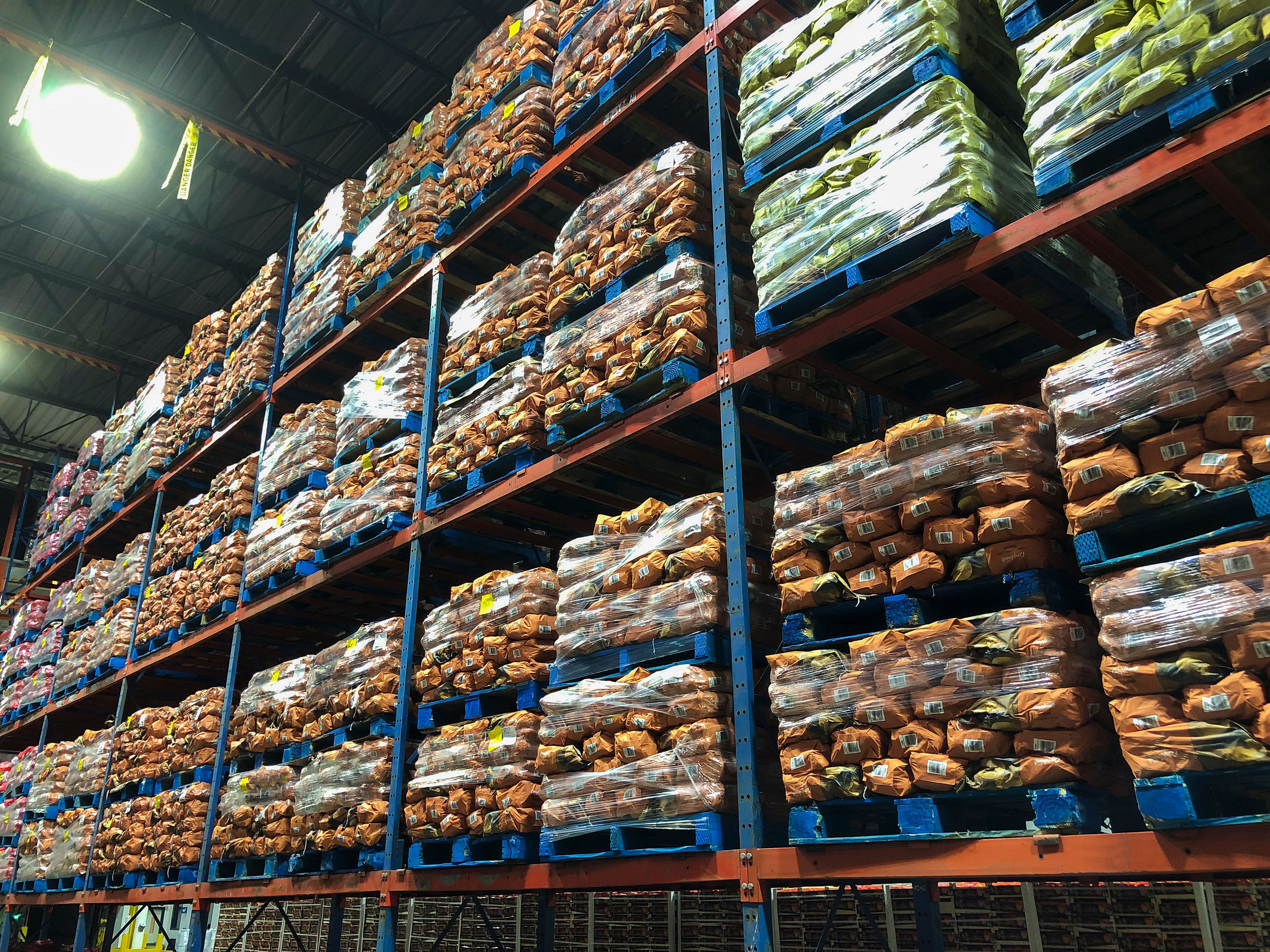
Durability and Longevity
When it comes to durability, plastic pallets often have an edge over their wooden counterparts. Made from high-density polyethylene or polypropylene, plastic pallets are resistant to moisture, chemicals, and insects. This resistance contributes to their ability to withstand harsh environments and last longer.
On the other hand, wooden pallets can be susceptible to damage from moisture, pests, and physical impacts. However, they can be repaired easily if damaged, which can extend their usability. The choice between durability and repairability often depends on the nature of the business and the conditions in which the pallets will be used.
Environmental Impact
Sustainability is a significant consideration for many companies today. Wooden pallets are made from renewable resources and can be recycled or repurposed at the end of their life cycle. However, their production involves deforestation, which can be a concern for environmentally conscious businesses.
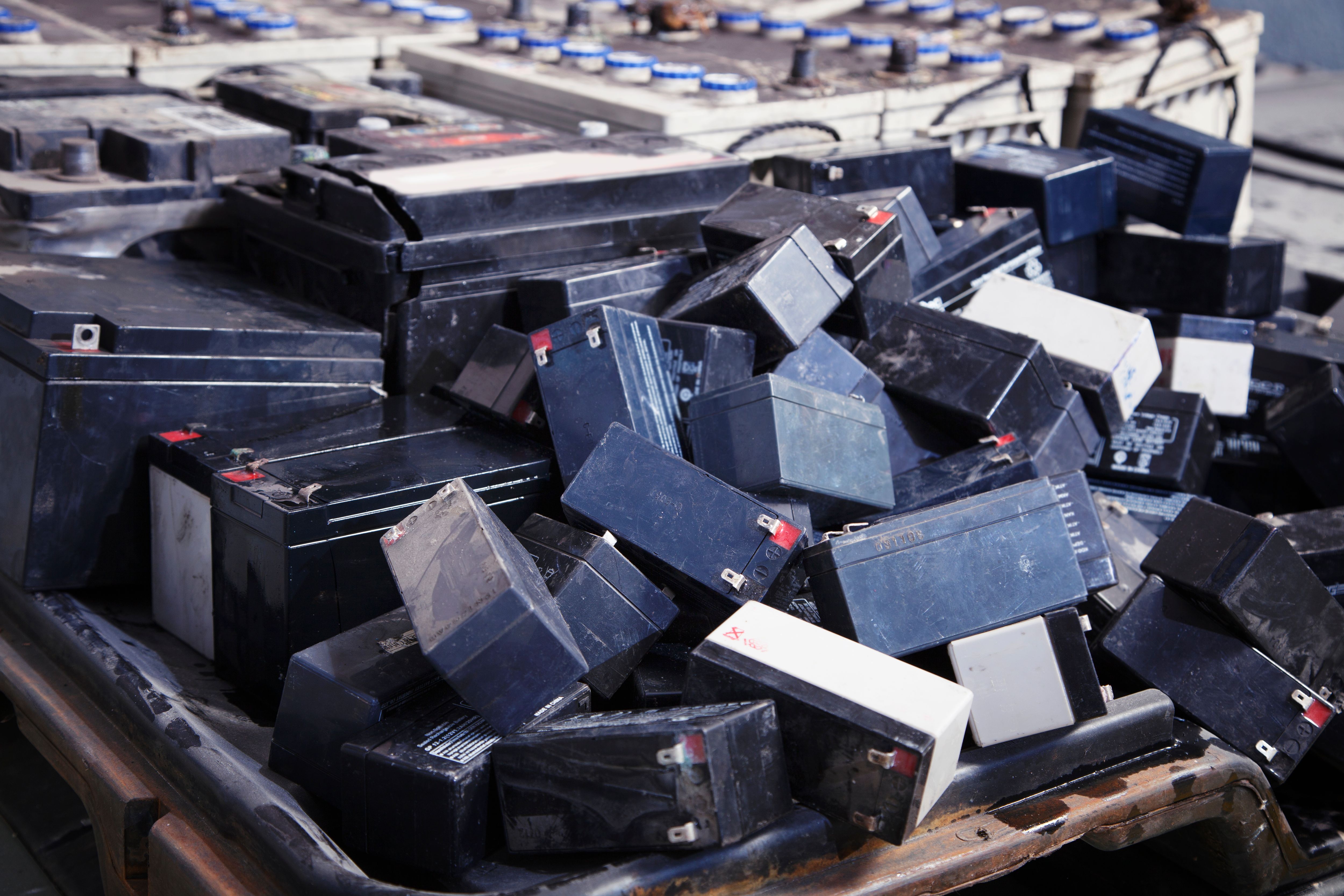
Plastic pallets, although more durable, are derived from non-renewable resources and can be less eco-friendly. However, advancements in recycling technology have made it possible to recycle plastic pallets, reducing their environmental footprint. Companies must weigh the benefits of sustainability against the practical advantages plastic pallets provide.
Cost Considerations
Cost is a critical factor in choosing between wooden and plastic pallets. Wooden pallets are generally less expensive upfront, making them an attractive option for businesses looking to minimize initial outlays. They are widely available and easy to replace if damaged.
Plastic pallets, while more costly upfront, often offer long-term savings due to their durability and reduced need for repairs or replacements. Companies must analyze their budget constraints and calculate the potential return on investment when deciding which type to use.

Weight and Load Capacity
Plastic pallets tend to be lighter than wooden ones, which can positively impact transportation costs by reducing overall shipment weight. This lightweight nature makes them easier to handle manually and can improve workplace safety.
However, when it comes to load capacity, wooden pallets often have a higher weight-bearing ability than plastic ones. This characteristic can be crucial for industries dealing with heavy goods and materials.
Hygiene and Cleanliness
In industries where hygiene is paramount, such as food and pharmaceuticals, plastic pallets are often preferred due to their non-porous surface. They can be easily sanitized, reducing the risk of contamination.
Wooden pallets are more challenging to clean thoroughly due to their porous nature, which can harbor bacteria and pests. In environments where cleanliness is critical, plastic pallets may offer a distinct advantage.
Conclusion
The decision between wooden and plastic pallets ultimately depends on a business's specific needs and priorities. While wooden pallets offer cost-effectiveness and ease of repair, plastic pallets provide durability, hygiene, and long-term savings. By considering factors such as environmental impact, cost, durability, weight, and industry requirements, businesses can make an informed choice that aligns with their operational goals.